
This book is available as open access through the Bloomsbury Open Access programme and is available on www.bloomsburycollections.com.
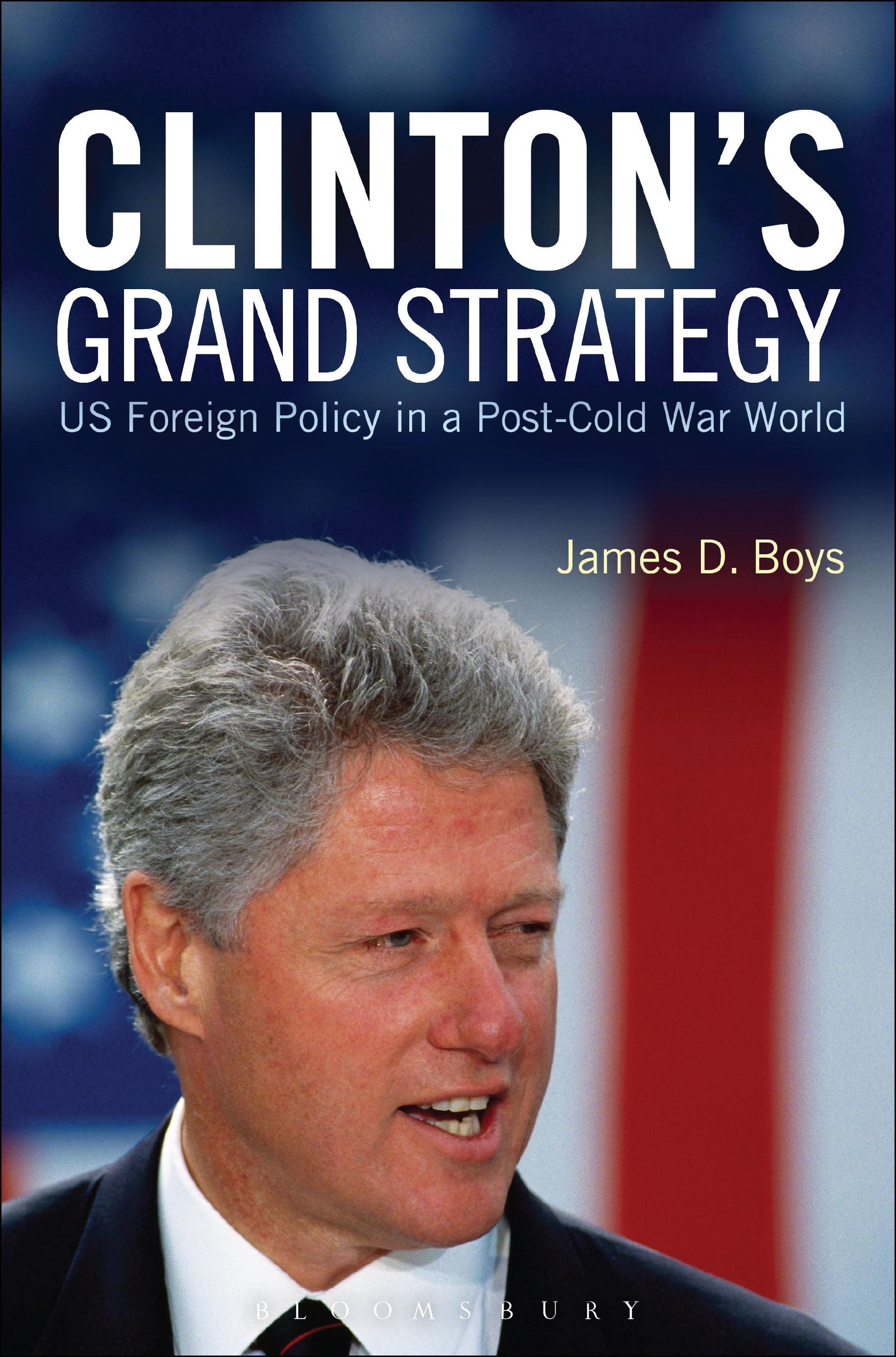
President Clinton's time in office coincided with historic global events following the end of the Cold War. The collapse of Communism called for a new US Grand Strategy to address the emerging geopolitical era that brought upheavals in Somalia and the Balkans, economic challenges in Mexico and Europe and the emergence of new entities such as the EU, NAFTA and the WTO. Clinton's handling of these events was crucial to the development of world politics at the dawn of the twenty-first century. Only by understanding Clinton's efforts to address the challenges of the post-Cold War era can we understand the strategies of his immediate successors, George W. Bush and Barack Obama, both of whom inherited and continued Clinton-era policies and practices.
James D. Boys sheds new light on the evolution and execution of US Grand Strategy from 1993 to 2001. He explores the manner in which policy was devised and examines the actors responsible for its development, including Bill Clinton, Anthony Lake, Samuel Berger, Warren Christopher, Madeline Albright and Richard Holbrook. He examines the core components of the strategy (National Security, Prosperity Promotion and Democracy Promotion) and how they were implemented, revealing a hitherto unexplored continuity from campaign trail to the White House.
Covering the entire duration of Clinton's presidential odyssey, from his 1991 Announcement Speech to his final day in office, the book draws extensively on newly declassified primary materials and interviews by the author with key members of the Clinton administration to reveal for the first time the development and implementation of US Grand Strategy from deep within the West Wing of the Clinton White House.
President Clinton's time in office coincided with historic global events following the end of the Cold War. The collapse of Communism called for a new US Grand Strategy to address the emerging geopolitical era that brought upheavals in Somalia and the Balkans, economic challenges in Mexico and Europe and the emergence of new entities such as the EU, NAFTA and the WTO. Clinton's handling of these events was crucial to the development of world politics at the dawn of the twenty-first century. Only by understanding Clinton's efforts to address the challenges of the post-Cold War era can we understand the strategies of his immediate successors, George W. Bush and Barack Obama, both of whom inherited and continued Clinton-era policies and practices.
James D. Boys sheds new light on the evolution and execution of US Grand Strategy from 1993 to 2001. He explores the manner in which policy was devised and examines the actors responsible for its development, including Bill Clinton, Anthony Lake, Samuel Berger, Warren Christopher, Madeline Albright and Richard Holbrook. He examines the core components of the strategy (National Security, Prosperity Promotion and Democracy Promotion) and how they were implemented, revealing a hitherto unexplored continuity from campaign trail to the White House.
Covering the entire duration of Clinton's presidential odyssey, from his 1991 Announcement Speech to his final day in office, the book draws extensively on newly declassified primary materials and interviews by the author with key members of the Clinton administration to reveal for the first time the development and implementation of US Grand Strategy from deep within the West Wing of the Clinton White House.
Płać wygodnie kartą, Klarną, Apple Pay lub Google Pay. Nie jesteś zadowolony? Zawsze masz 14-dniową gwarancję zwrotu pieniędzy. Więcej przeczytasz w naszych warunkach. Masz pytania? Napisz do nas na hello@memmo.org.
Memmo ułatwia naukę – gdziekolwiek jesteś na świecie. U nas znajdziesz podręczniki i sprytne narzędzia do nauki w jednym miejscu: streszczenia, quizy, podcasty i fiszki. A do tego Ted, Twój kumpel do nauki, który odpowie na wszystko, co Cię nurtuje. Ponad 50 000 studentów już tu się uczy – stworzone, byś uczył się szybciej i mniej stresował.