
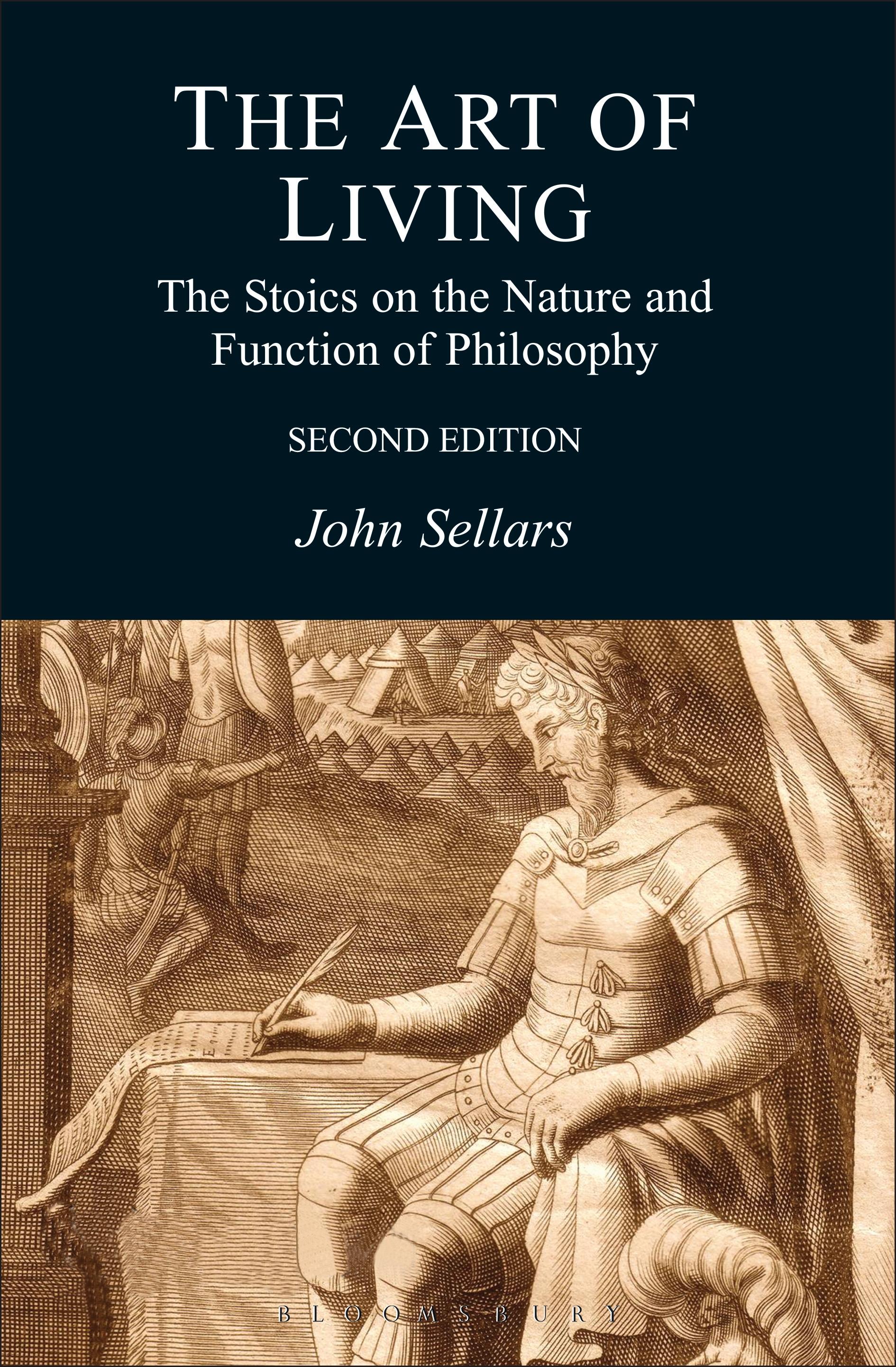
Ancient philosophy was conceived as a way of life or an art of living, but if ancient philosophers did think that philosophy should transform an individual's way of life, then what conception of philosophy stands behind this claim? John Sellars explores this question through a detailed account of ancient Stoic ideas about the nature and function of philosophy. He considers the Socratic background to Stoic thinking about philosophy and Sceptical objections raised by Sextus Empiricus, and offers readings of late Stoic texts by Epictetus and Marcus Aurelius.
Sellars argues that the conception of philosophy as an 'art of living', inaugurated by Socrates and developed by the Stoics, has persisted since antiquity and remains a living alternative to modern attempts to assimilate philosophy to the natural sciences. It also enables us to rethink the relationship between an individual's philosophy and their biography. The book appears here in paperback for the first time with a new Preface by the author.
Sellars argues that the conception of philosophy as an 'art of living', inaugurated by Socrates and developed by the Stoics, has persisted since antiquity and remains a living alternative to modern attempts to assimilate philosophy to the natural sciences. It also enables us to rethink the relationship between an individual's philosophy and their biography. The book appears here in paperback for the first time with a new Preface by the author.
Płać wygodnie kartą, Klarną, Apple Pay lub Google Pay. Nie jesteś zadowolony? Zawsze masz 14-dniową gwarancję zwrotu pieniędzy. Więcej przeczytasz w naszych warunkach. Masz pytania? Napisz do nas na hello@memmo.org.
Memmo ułatwia naukę – gdziekolwiek jesteś na świecie. U nas znajdziesz podręczniki i sprytne narzędzia do nauki w jednym miejscu: streszczenia, quizy, podcasty i fiszki. A do tego Ted, Twój kumpel do nauki, który odpowie na wszystko, co Cię nurtuje. Ponad 50 000 studentów już tu się uczy – stworzone, byś uczył się szybciej i mniej stresował.