
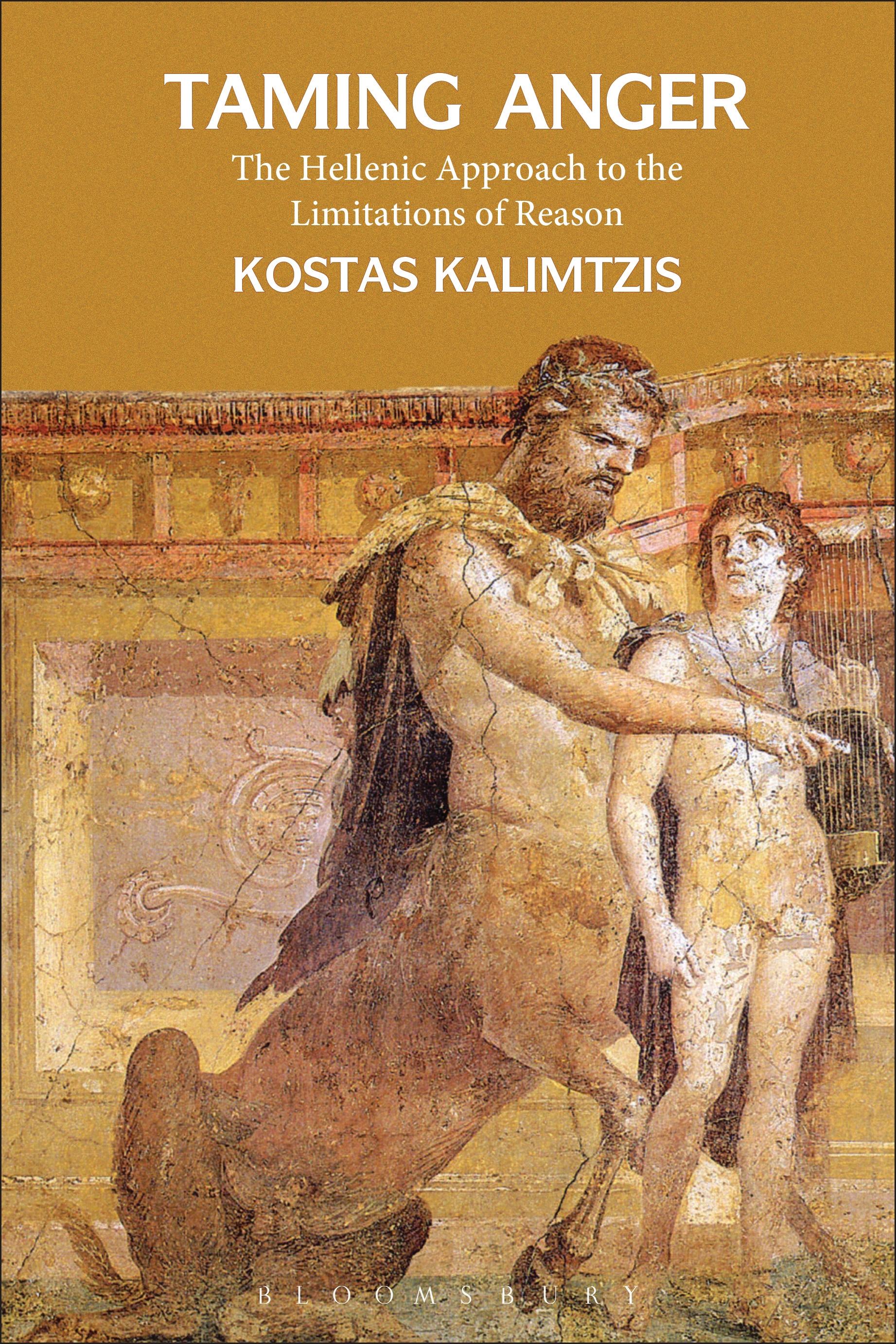
From Homer to Aristotle, understanding anger and harnessing its power was at the core of Hellenic civilization. Homer created the framework for philosophical inquiries into anger, one that persisted until it was overturned by Stoicism and Christianity. Plato saw anger as the guardian of justice and Aristotle conceived of it as bound to friendship. Yet both showed that anger can become a guardian of injustice and a defender of our psychological abnormalities. Plato claimed that reason is a tertiary factor in controlling anger and Aristotle argued that non-cognitive powers can issue commands for anger's arousal - findings that shed light as to why cognitive therapeutic approaches often prove to be ineffective. Both proposed nurturing the thumos, the receptacle of anger and the seat of self-esteem. Aristotle's view of public anger as an early warning sign of social dissolution continues to be relevant to this day. In this carefully argued study, Kostas Kalimtzis examines the theories of anger in the context of the ancient world with an eye to their implications for the modern predicament.
Płać wygodnie kartą, Klarną, Apple Pay lub Google Pay. Nie jesteś zadowolony? Zawsze masz 14-dniową gwarancję zwrotu pieniędzy. Więcej przeczytasz w naszych warunkach. Masz pytania? Napisz do nas na hello@memmo.org.
Memmo ułatwia naukę – gdziekolwiek jesteś na świecie. U nas znajdziesz podręczniki i sprytne narzędzia do nauki w jednym miejscu: streszczenia, quizy, podcasty i fiszki. A do tego Ted, Twój kumpel do nauki, który odpowie na wszystko, co Cię nurtuje. Ponad 50 000 studentów już tu się uczy – stworzone, byś uczył się szybciej i mniej stresował.