
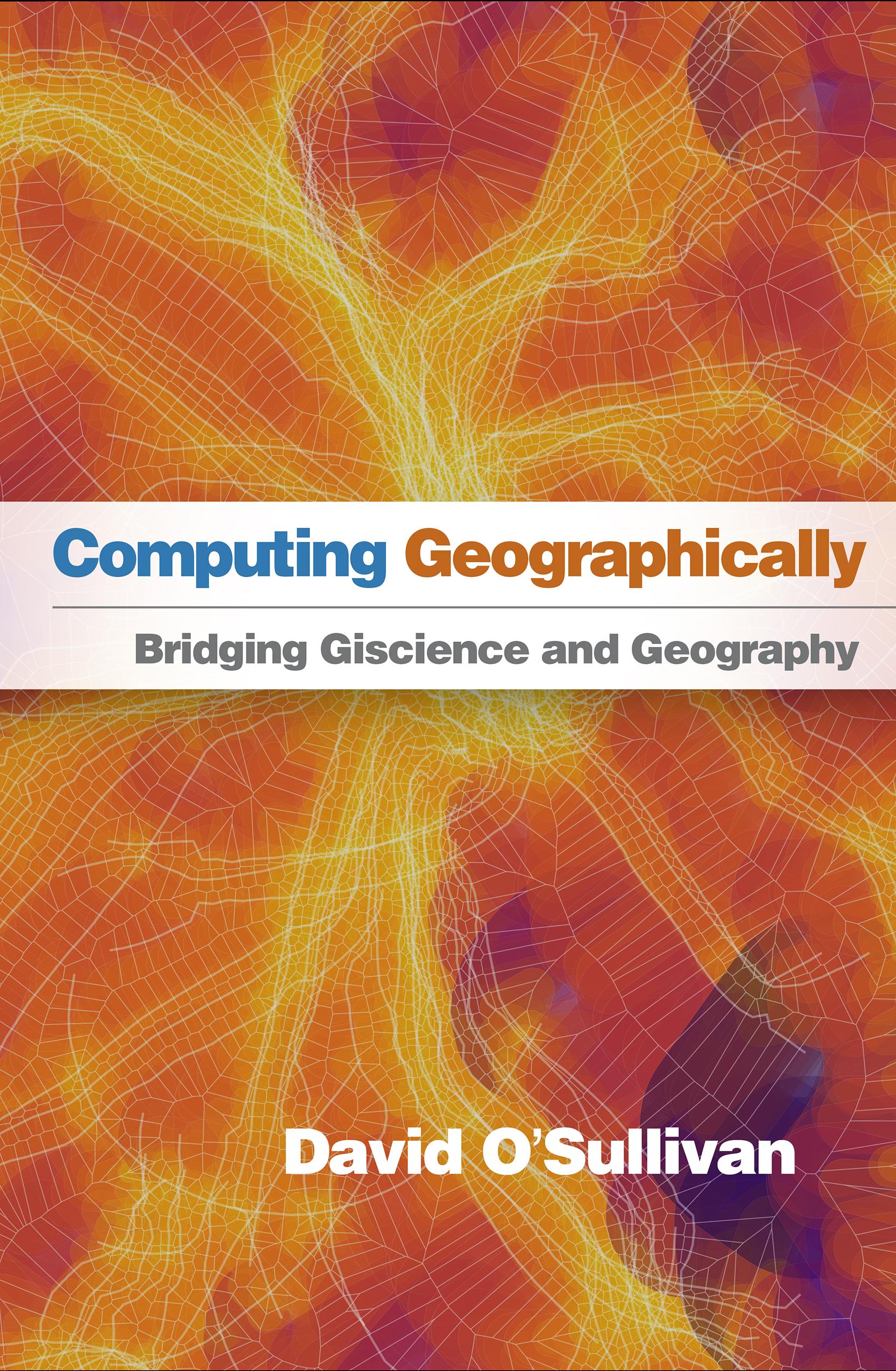
Geographic information science (GISc) and systems (GIS) have grown rapidly in recent decades, increasingly on a separate track from geographic thought. As geography's "big ideas"--such as space, place, boundaries, scale, process, and relationality--have evolved, what does this mean for their computational representation? This book considers how key concepts have developed in geography and are represented (or not) in GISc, with a view to bridging gaps between the two. David O'Sullivan shows how revisiting the theoretical underpinnings of geography offers insights on enduring GIS challenges--including map projections, the modifiable areal unit problem, scale and map generalization, and the nature of space and place--while also enriching geographic thought. The book uses examples from across geography's subdisciplines to promote understanding. Chapters are self-contained essays that can easily form the basis of classroom discussions. The companion website provides the figures, code to produce versions of selected figures, updated web links, and other resources.
Płać wygodnie kartą, Klarną, Apple Pay lub Google Pay. Nie jesteś zadowolony? Zawsze masz 14-dniową gwarancję zwrotu pieniędzy. Więcej przeczytasz w naszych warunkach. Masz pytania? Napisz do nas na hello@memmo.org.
Memmo ułatwia naukę – gdziekolwiek jesteś na świecie. U nas znajdziesz podręczniki i sprytne narzędzia do nauki w jednym miejscu: streszczenia, quizy, podcasty i fiszki. A do tego Ted, Twój kumpel do nauki, który odpowie na wszystko, co Cię nurtuje. Ponad 50 000 studentów już tu się uczy – stworzone, byś uczył się szybciej i mniej stresował.
Może Ci się spodobać
Kup książkę0