
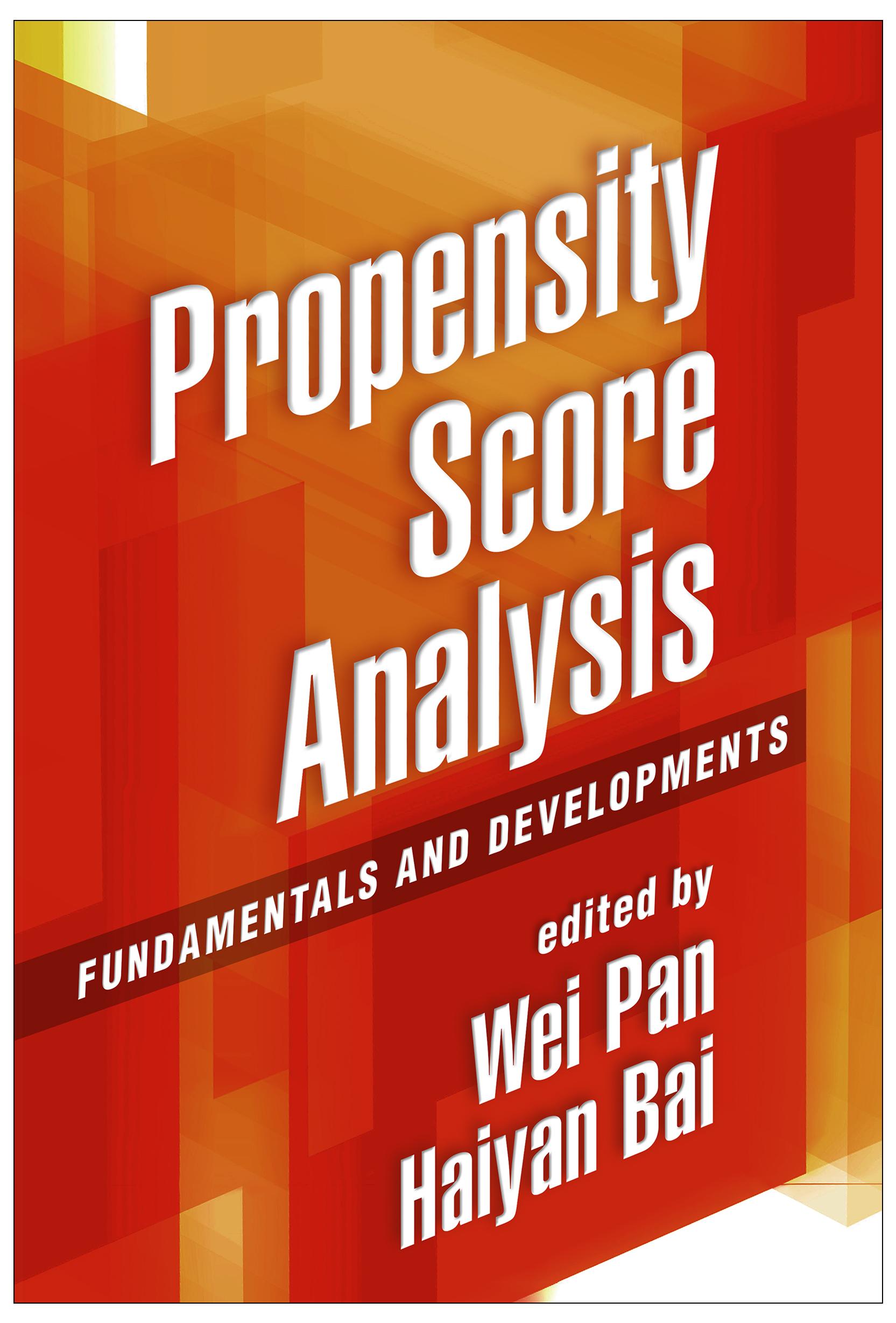
This book is designed to help researchers better design and analyze observational data from quasi-experimental studies and improve the validity of research on causal claims. It provides clear guidance on the use of different propensity score analysis (PSA) methods, from the fundamentals to complex, cutting-edge techniques. Experts in the field introduce underlying concepts and current issues and review relevant software programs for PSA. The book addresses the steps in propensity score estimation, including the use of generalized boosted models, how to identify which matching methods work best with specific types of data, and the evaluation of balance results on key background covariates after matching. Also covered are applications of PSA with complex data, working with missing data, controlling for unobserved confounding, and the extension of PSA to prognostic score analysis for causal inference. User-friendly features include statistical program codes and application examples. Data and software code for the examples are available at the companion website (www.guilford.com/pan-materials).
Płać wygodnie kartą, Klarną, Apple Pay lub Google Pay. Nie jesteś zadowolony? Zawsze masz 14-dniową gwarancję zwrotu pieniędzy. Więcej przeczytasz w naszych warunkach. Masz pytania? Napisz do nas na hello@memmo.org.
Memmo ułatwia naukę – gdziekolwiek jesteś na świecie. U nas znajdziesz podręczniki i sprytne narzędzia do nauki w jednym miejscu: streszczenia, quizy, podcasty i fiszki. A do tego Ted, Twój kumpel do nauki, który odpowie na wszystko, co Cię nurtuje. Ponad 50 000 studentów już tu się uczy – stworzone, byś uczył się szybciej i mniej stresował.
Może Ci się spodobać
Kup książkę0