
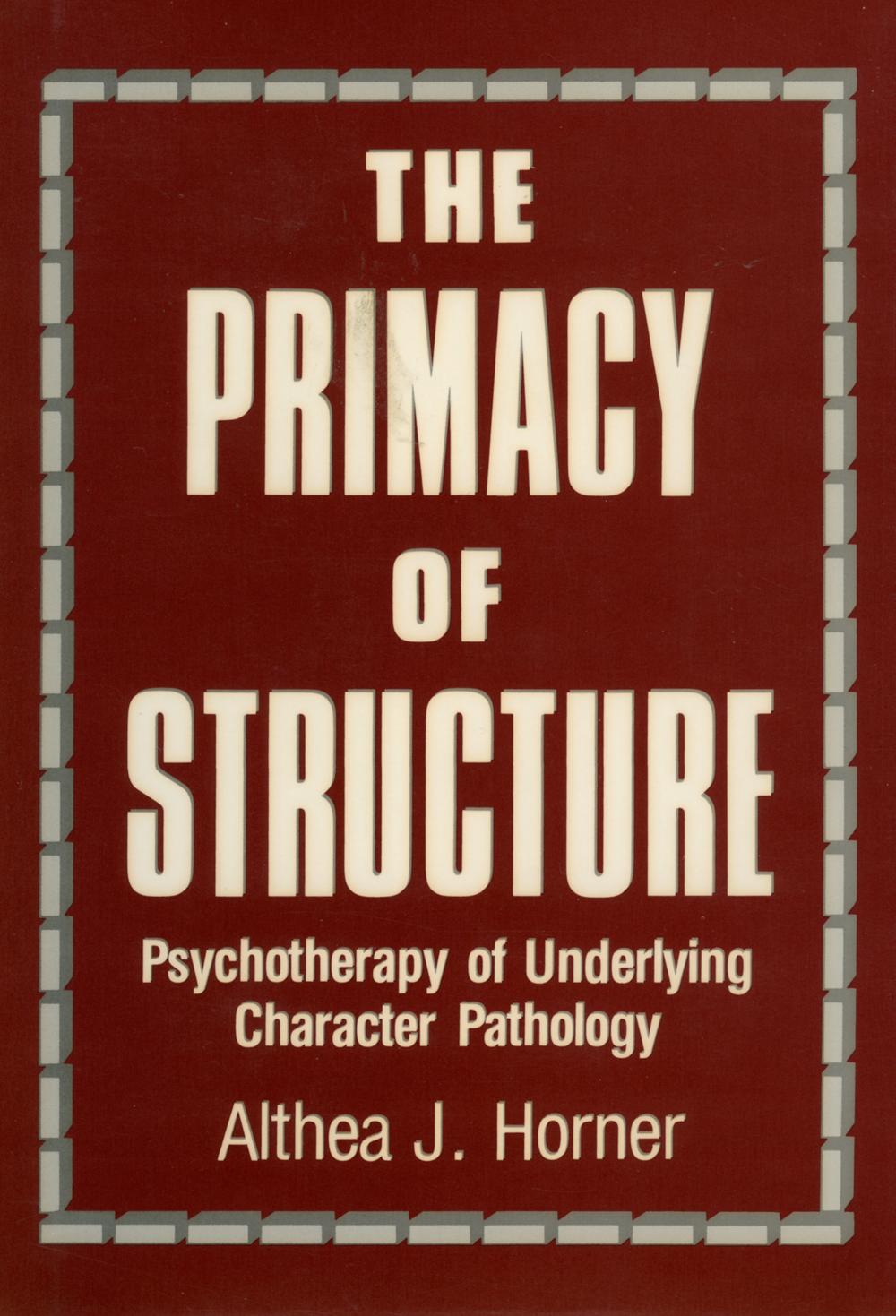
In "The Primacy of Structure" Althea Horner argues that effective psychotherapeutic intervention depends on the understanding of clinical symptoms in terms of the patient's underlying character structure. For example, obsessive behavior that functions to hold together a fragile, inadequately integrated self must be distinguished from obsessive behavior that defends against awareness of guilt and anxiety. In evaluating patients, Dr Horner asks herself whether he or she was well integrated and well differentiated before the presenting complaint, or a borderline individual already at risk. These facts are critical for the patient's therapy. In Part I Dr Horner discusses the development of character, in Part II character pathology, and in Part III the treatment of character pathology. Mental health professionals will find this a useful guide to psychotherapy of the character problems that lie behind their patients' presenting symptoms.
Płać wygodnie kartą, Klarną, Apple Pay lub Google Pay. Nie jesteś zadowolony? Zawsze masz 14-dniową gwarancję zwrotu pieniędzy. Więcej przeczytasz w naszych warunkach. Masz pytania? Napisz do nas na hello@memmo.org.
Memmo ułatwia naukę – gdziekolwiek jesteś na świecie. U nas znajdziesz podręczniki i sprytne narzędzia do nauki w jednym miejscu: streszczenia, quizy, podcasty i fiszki. A do tego Ted, Twój kumpel do nauki, który odpowie na wszystko, co Cię nurtuje. Ponad 50 000 studentów już tu się uczy – stworzone, byś uczył się szybciej i mniej stresował.