
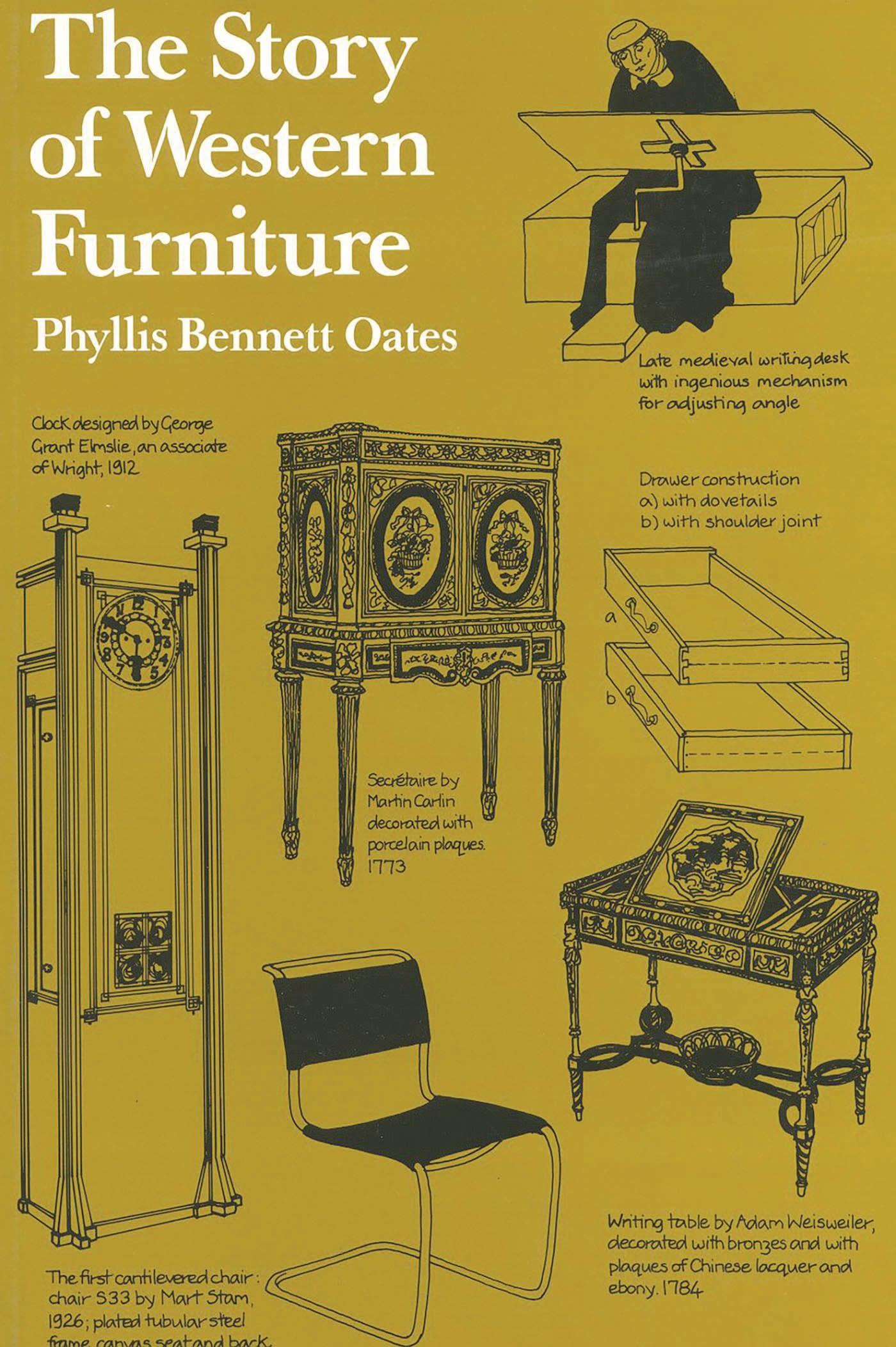
As well as fulfilling a functional need, furniture has always been an index of status. From the throne of Tutankhamen or the bed of State of Louis XIV to the austere Shaker chest or the Charles Eames chair and later modern pieces from Europe, the Far East and the United States, the style of each piece tells much about the outlook of the makers and the needs and skills of the time.
This absorbing history traces the development of furniture design and production, from the days of ancient Egypt to the present, describing what articles were made in each period, how they were made, and what were the social and economic conditions that affected style and finish. The author discusses techniques such as joinery, turning, veneering, marquetry, polishing, upholstery, bentwood work and lamination. Many examples are shown in the illustrations, which are invaluable recognition sources and a lively visual accompaniment to the text.
This absorbing history traces the development of furniture design and production, from the days of ancient Egypt to the present, describing what articles were made in each period, how they were made, and what were the social and economic conditions that affected style and finish. The author discusses techniques such as joinery, turning, veneering, marquetry, polishing, upholstery, bentwood work and lamination. Many examples are shown in the illustrations, which are invaluable recognition sources and a lively visual accompaniment to the text.
Płać wygodnie kartą, Klarną, Apple Pay lub Google Pay. Nie jesteś zadowolony? Zawsze masz 14-dniową gwarancję zwrotu pieniędzy. Więcej przeczytasz w naszych warunkach. Masz pytania? Napisz do nas na hello@memmo.org.
Memmo ułatwia naukę – gdziekolwiek jesteś na świecie. U nas znajdziesz podręczniki i sprytne narzędzia do nauki w jednym miejscu: streszczenia, quizy, podcasty i fiszki. A do tego Ted, Twój kumpel do nauki, który odpowie na wszystko, co Cię nurtuje. Ponad 50 000 studentów już tu się uczy – stworzone, byś uczył się szybciej i mniej stresował.