
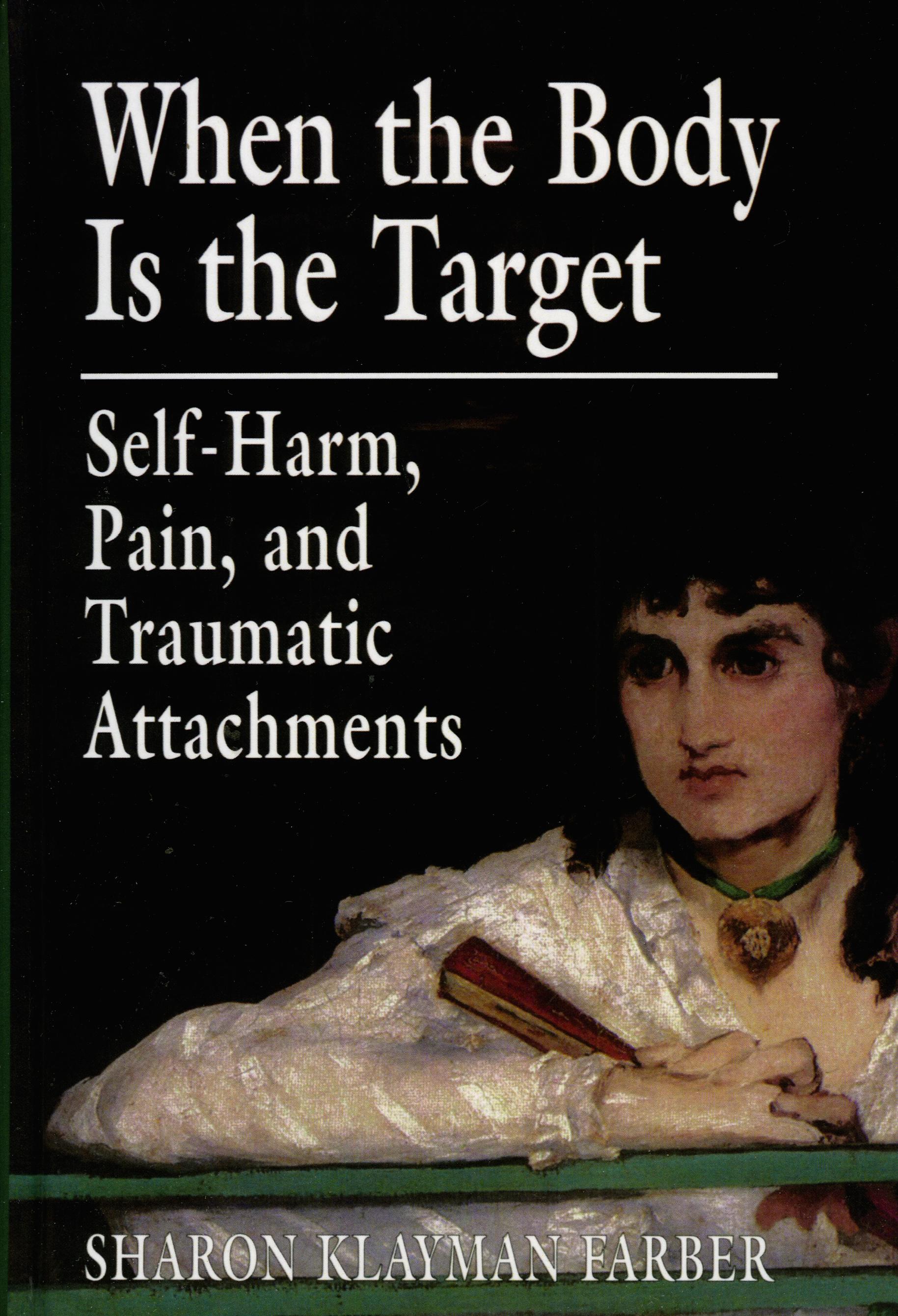
In this comprehensive and insightful work, Dr. Sharon K. Farber provides an invaluable resource for the mental health professional who is struggling to understand self-harm and its origins. Using attachment theory to explain how addictive connections to pain and suffering develop, she discusses various kinds and functions of self-harm behavior. From eating disorders to body modifications such as tattooing, Dr. Farber explores the language of self-harm, and the translation of that language and its psychic functions in the therapeutic setting. She tells us, 'When the body weeps tears of blood, we need to wonder what terrible sorrows cannot be spoken.' Brilliantly illustrated with rich clinical material, this book offers a practical approach to the diagnosis, assessment, and treatment of the increasing number of patients whose emotions are expressed through bodily harm. The challenges of working with patients who tend to view the world of relationships in terms of predator and prey are clearly explicated and the stormy countertransference responses that threaten to destroy the treatment are given a full hearing. Finally, she shows how the attachment relationship formed in treatment can repair the traumatic attachment in mind, body, psyche, and soul, and can serve as the cornerstone of therapeutic change. A Jason Aronson Book
Płać wygodnie kartą, Klarną, Apple Pay lub Google Pay. Nie jesteś zadowolony? Zawsze masz 14-dniową gwarancję zwrotu pieniędzy. Więcej przeczytasz w naszych warunkach. Masz pytania? Napisz do nas na hello@memmo.org.
Memmo ułatwia naukę – gdziekolwiek jesteś na świecie. U nas znajdziesz podręczniki i sprytne narzędzia do nauki w jednym miejscu: streszczenia, quizy, podcasty i fiszki. A do tego Ted, Twój kumpel do nauki, który odpowie na wszystko, co Cię nurtuje. Ponad 50 000 studentów już tu się uczy – stworzone, byś uczył się szybciej i mniej stresował.