
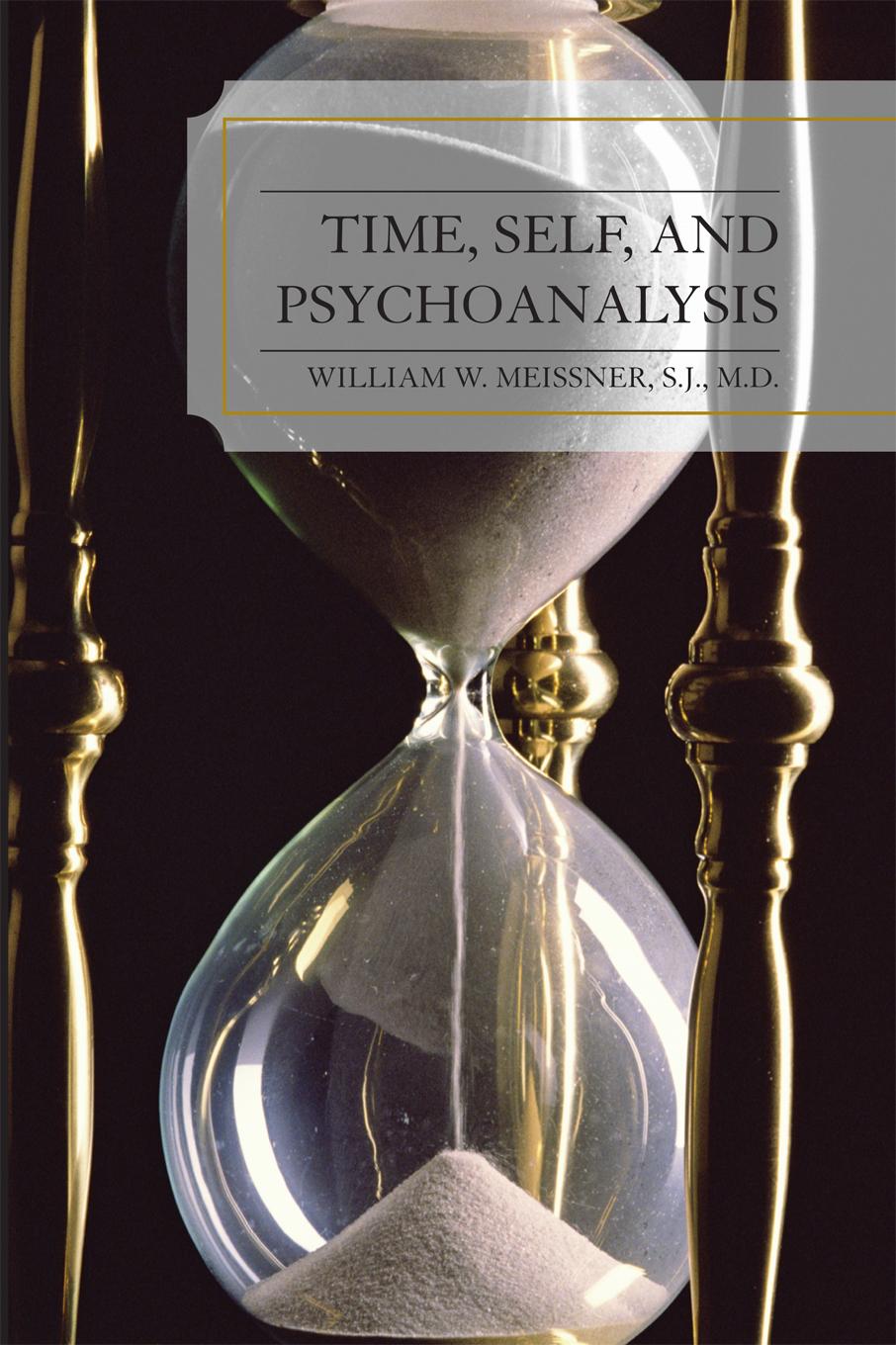
This book is a study of time, particularly of the nature of subjective time-that is, time as subjectively experienced and lived in contrast with time as measured objectively as, for example, by a clock. The argument first addresses the development of the time experience, its origins in infantile experience, and traces its variations and modifications during the course of the life cycle. As the life course advances, concerns about and preoccupations with death play an increasingly important role in attitudes toward and involvement in temporally related contexts. The next step is an examination of the phenomenology of time experience itself and its dependence on biorhythms and affective influences. An important aspect of this discussion is the relation between time experience as a conscious phenomenon and the functioning of unconscious determinants of the time experience. This leads to the question: given these conclusions regarding the nature of time experience, what implications can we draw for the understanding of the nature and functioning of the self within psychoanalysis? The book's final section applies these understandings to the analytic process, focusing particularly on the meaning of the time experience in the patient's psychic reality and patterns of enactment around issues of time and time management in the analytic situation.
Płać wygodnie kartą, Klarną, Apple Pay lub Google Pay. Nie jesteś zadowolony? Zawsze masz 14-dniową gwarancję zwrotu pieniędzy. Więcej przeczytasz w naszych warunkach. Masz pytania? Napisz do nas na hello@memmo.org.
Memmo ułatwia naukę – gdziekolwiek jesteś na świecie. U nas znajdziesz podręczniki i sprytne narzędzia do nauki w jednym miejscu: streszczenia, quizy, podcasty i fiszki. A do tego Ted, Twój kumpel do nauki, który odpowie na wszystko, co Cię nurtuje. Ponad 50 000 studentów już tu się uczy – stworzone, byś uczył się szybciej i mniej stresował.