
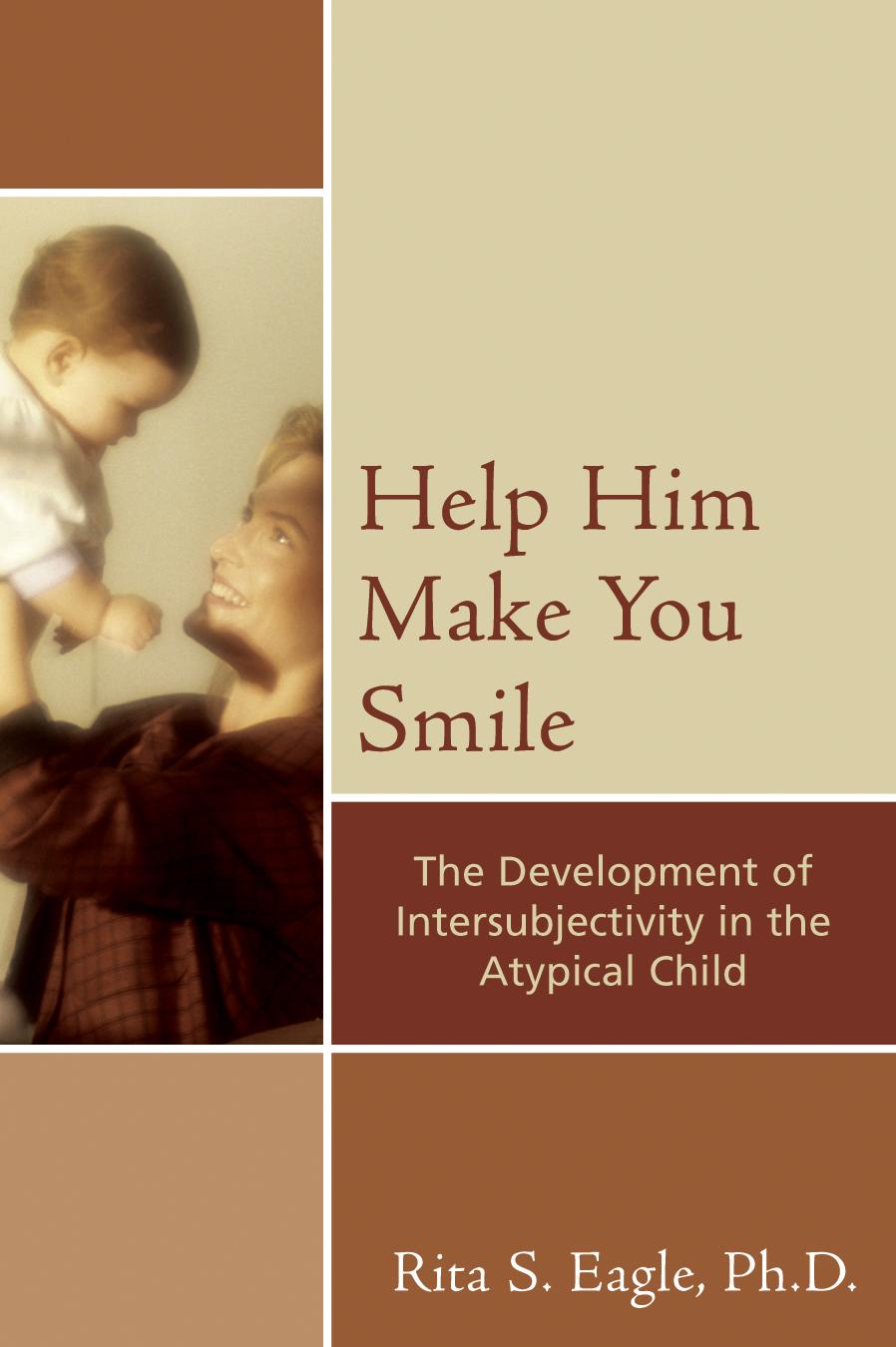
Intersubjectivity refers to the motivation and capacity to connect and share one's own inner world with that of another person. This book addresses the questions: how does this precious human communication develop in infancy, and what can or should be done when it does not develop? The author presents a unique chronicle describing the day-by- day emergence of intersubjectivity in her infant son, born with neurodevelopmental disabilities. These observations are analyzed in the context of a critical review of theory and research about intersubjectivity in normal children and in children with atypical development. From both sources emerges a model for how intersubjectivity develops in the parent-infant interaction, and guidelines for how to intervene when it does not. While acknowledging the inroads that have been made in understanding this unique human capacity, the author points to the questions that remain to be addressed in future research. The book ends with a rare opportunity to follow the trajectory of her son's capacity for intersubjectivity over a period of more than thirty years. It is addressed to theorists and researchers; clinicians who work with infants and children with developmental disorders and their families; and parents who want to understand their children's development.
Płać wygodnie kartą, Klarną, Apple Pay lub Google Pay. Nie jesteś zadowolony? Zawsze masz 14-dniową gwarancję zwrotu pieniędzy. Więcej przeczytasz w naszych warunkach. Masz pytania? Napisz do nas na hello@memmo.org.
Memmo ułatwia naukę – gdziekolwiek jesteś na świecie. U nas znajdziesz podręczniki i sprytne narzędzia do nauki w jednym miejscu: streszczenia, quizy, podcasty i fiszki. A do tego Ted, Twój kumpel do nauki, który odpowie na wszystko, co Cię nurtuje. Ponad 50 000 studentów już tu się uczy – stworzone, byś uczył się szybciej i mniej stresował.