
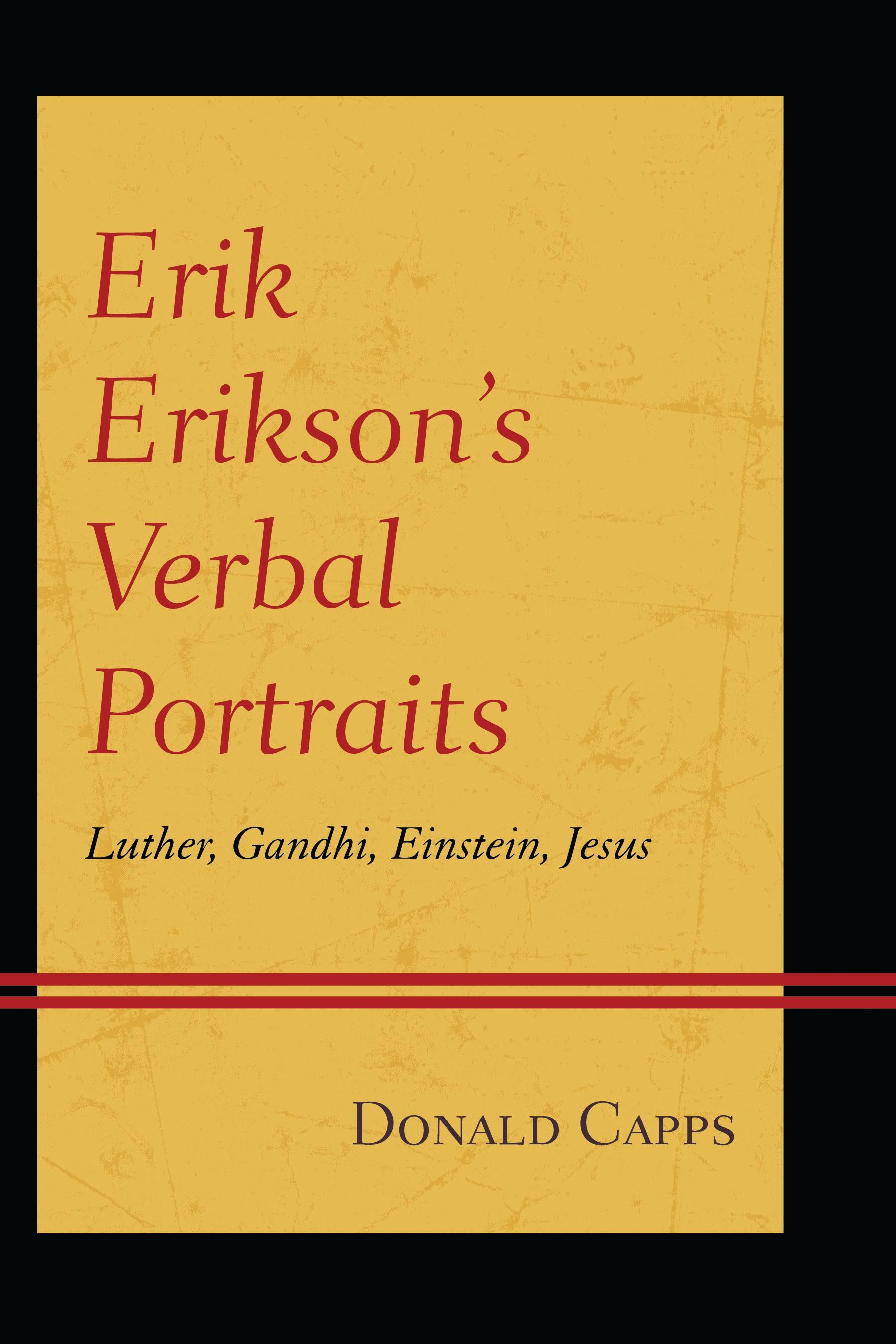
In his late teens and early twenties Erik H. Erikson, the widely acclaimed psychoanalyst and developmental theorist, aspired to be an artist. In Erik Erikson’s Verbal Portraits: Luther, Gandhi, Einstein, Jesus, Donald Cappscontends that Erikson’s portraits of respective historical figures not only reflect his artistic gifts but also make a highly creative contribution to psychoanalytic discourse. Moreover, his verbal portraits are vivid and compelling representations of his multifaceted conception of identity. His emphasis on the formative role of the mutual recognition of mother and infant in human portraiture, the importance he attaches to the Self and the sense of “I,” and his use of psychoanalysis as a means to experience the living presence of noteworthy historical figures are especially noted. In addition to his portraits of the four men, his brief verbal portrait of Ruth Benedict is presented, and his personal identification with a fifteenth century painting of Mary, the mother of Jesus, is also explored.
Płać wygodnie kartą, Klarną, Apple Pay lub Google Pay. Nie jesteś zadowolony? Zawsze masz 14-dniową gwarancję zwrotu pieniędzy. Więcej przeczytasz w naszych warunkach. Masz pytania? Napisz do nas na hello@memmo.org.
Memmo ułatwia naukę – gdziekolwiek jesteś na świecie. U nas znajdziesz podręczniki i sprytne narzędzia do nauki w jednym miejscu: streszczenia, quizy, podcasty i fiszki. A do tego Ted, Twój kumpel do nauki, który odpowie na wszystko, co Cię nurtuje. Ponad 50 000 studentów już tu się uczy – stworzone, byś uczył się szybciej i mniej stresował.