
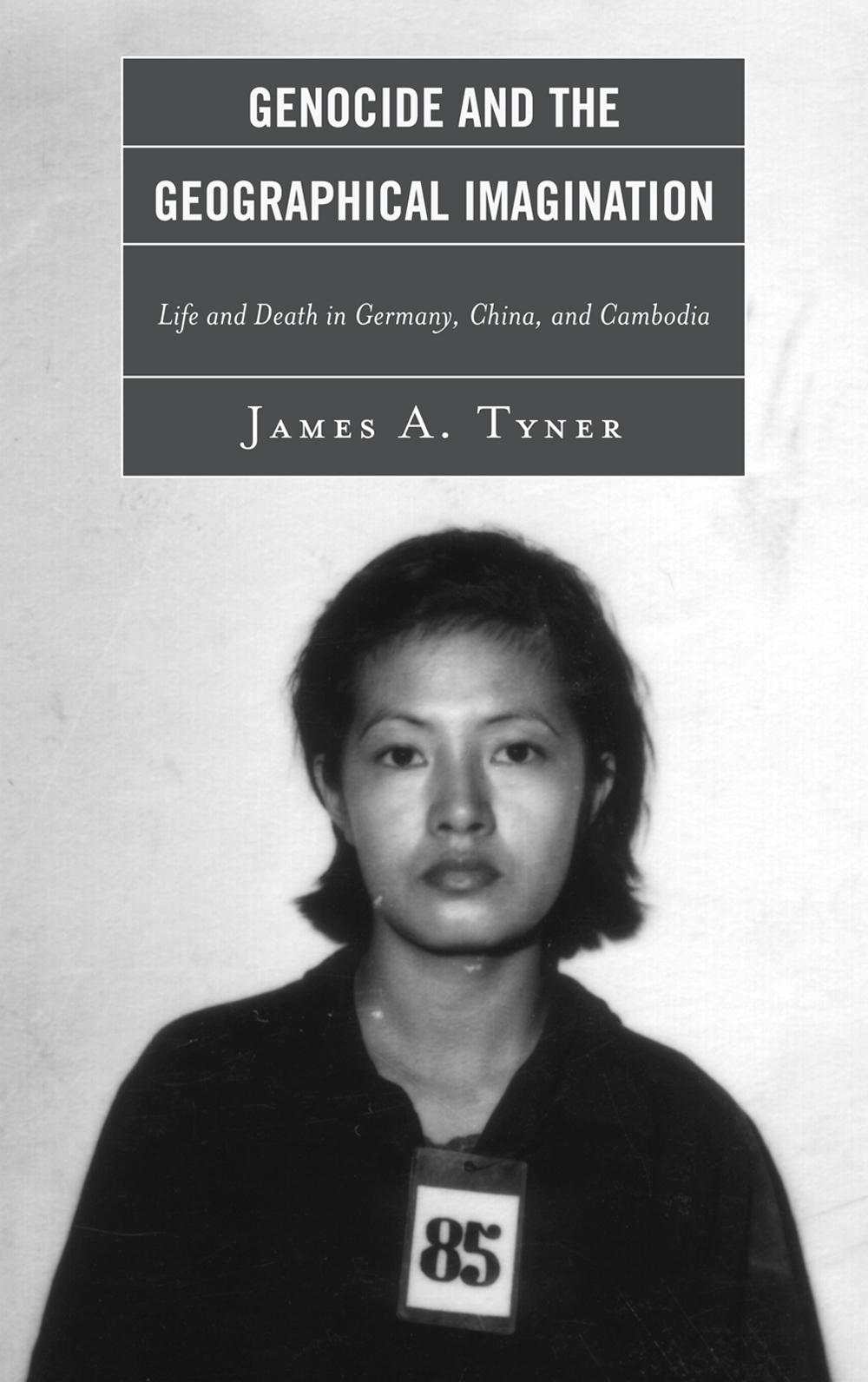
This groundbreaking book brings an important spatial perspective to our understanding of genocide through a fresh interpretation of Germany under Hitler, Cambodia under the Khmer Rouge, and China’s Great Leap Forward famine under Mao. James A. Tyner's powerful analysis of these horrifying cases provides insight into the larger questions of sovereignty and state policies that determine who will live and who will die. Specifically, he explores the government practices that result in genocide and how they are informed by the calculation and valuation of life—and death. A geographical perspective on genocide highlights that mass violence, in the minds of perpetrators, is viewed as an effective—and legitimate—strategy of state building. These three histories of mass violence demonstrate how specific states articulate and act upon particular geographical concepts that determine and devalue the moral worth of groups and individuals. Clearly and compellingly written, this book will bring fresh and valuable insights into state genocidal behavior.
Płać wygodnie kartą, Klarną, Apple Pay lub Google Pay. Nie jesteś zadowolony? Zawsze masz 14-dniową gwarancję zwrotu pieniędzy. Więcej przeczytasz w naszych warunkach. Masz pytania? Napisz do nas na hello@memmo.org.
Memmo ułatwia naukę – gdziekolwiek jesteś na świecie. U nas znajdziesz podręczniki i sprytne narzędzia do nauki w jednym miejscu: streszczenia, quizy, podcasty i fiszki. A do tego Ted, Twój kumpel do nauki, który odpowie na wszystko, co Cię nurtuje. Ponad 50 000 studentów już tu się uczy – stworzone, byś uczył się szybciej i mniej stresował.