
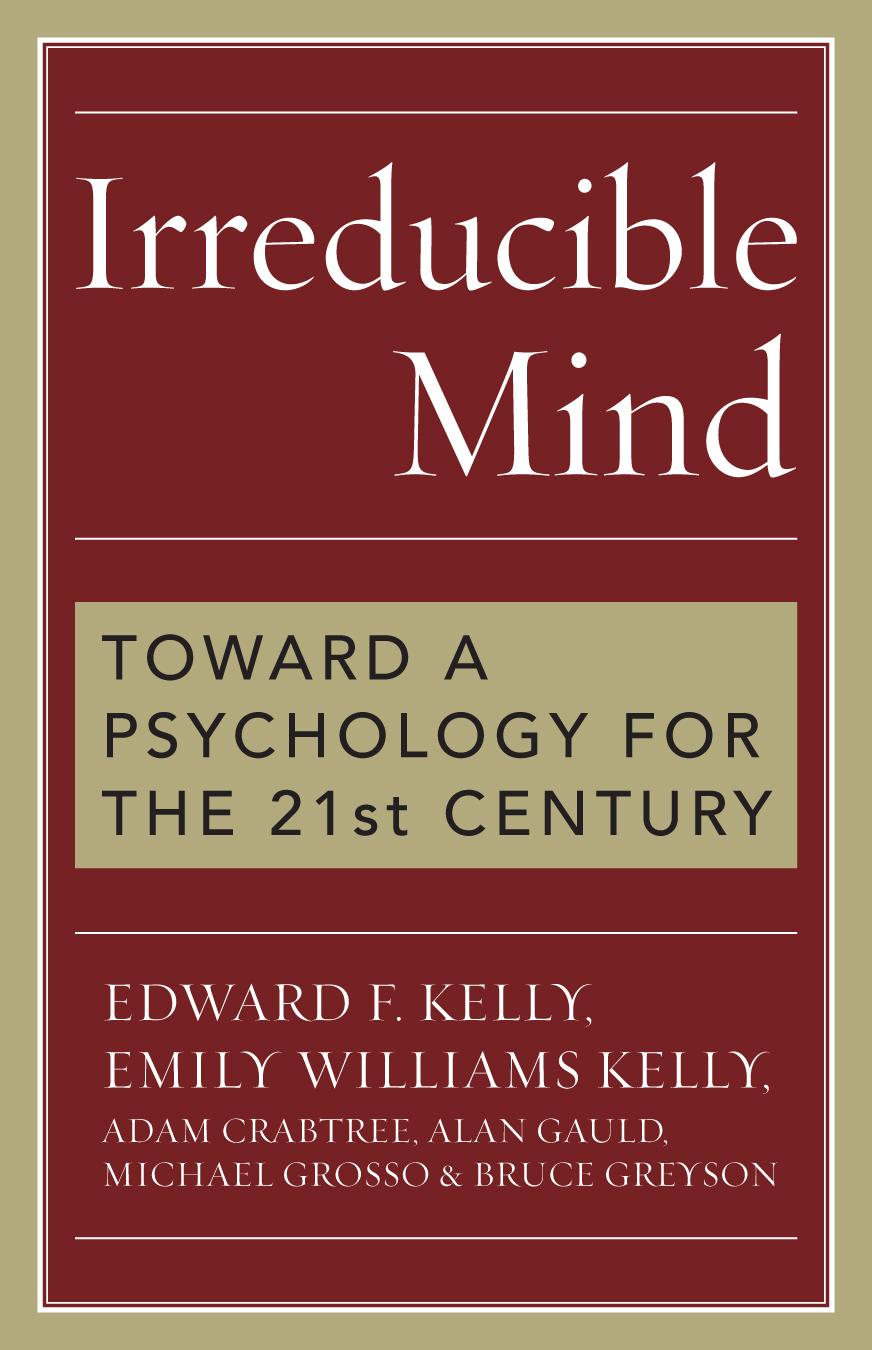
Current mainstream opinion in psychology, neuroscience, and philosophy of mind holds that all aspects of human mind and consciousness are generated by physical processes occurring in brains. Views of this sort have dominated recent scholarly publication. The present volume, however, demonstrates_empirically_that this reductive materialism is not only incomplete but false. The authors systematically marshal evidence for a variety of psychological phenomena that are extremely difficult, and in some cases clearly impossible, to account for in conventional physicalist terms. Topics addressed include phenomena of extreme psychophysical influence, memory, psychological automatisms and secondary personality, near-death experiences and allied phenomena, genius-level creativity, and 'mystical' states of consciousness both spontaneous and drug-induced. The authors further show that these rogue phenomena are more readily accommodated by an alternative 'transmission' or 'filter' theory of mind/brain relations advanced over a century ago by a largely forgotten genius, F. W. H. Myers, and developed further by his friend and colleague William James. This theory, moreover, ratifies the commonsense conception of human beings as causally effective conscious agents, and is fully compatible with leading-edge physics and neuroscience. The book should command the attention of all open-minded persons concerned with the still-unsolved mysteries of the mind.
Płać wygodnie kartą, Klarną, Apple Pay lub Google Pay. Nie jesteś zadowolony? Zawsze masz 14-dniową gwarancję zwrotu pieniędzy. Więcej przeczytasz w naszych warunkach. Masz pytania? Napisz do nas na hello@memmo.org.
Memmo ułatwia naukę – gdziekolwiek jesteś na świecie. U nas znajdziesz podręczniki i sprytne narzędzia do nauki w jednym miejscu: streszczenia, quizy, podcasty i fiszki. A do tego Ted, Twój kumpel do nauki, który odpowie na wszystko, co Cię nurtuje. Ponad 50 000 studentów już tu się uczy – stworzone, byś uczył się szybciej i mniej stresował.