
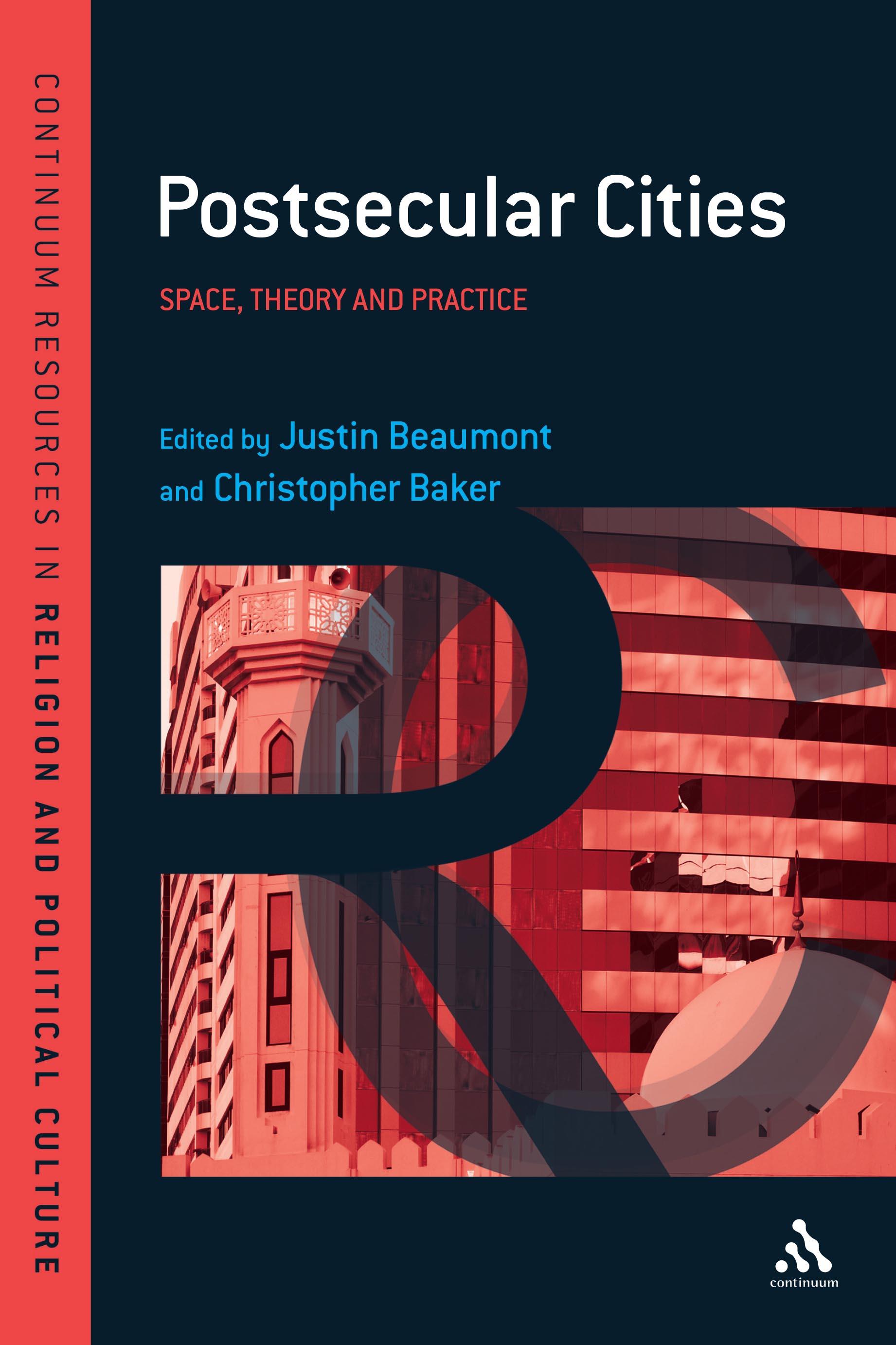
This book reflects the wide-spread belief that the twenty-first century is evolving in a significantly different way to the twentieth, which witnessed the advance of human rationality and technological progress, including urbanisation, and called into question the public and cultural significance of religion. In this century, by contrast, religion, faith communities and spiritual values have returned to the centre of public life, especially public policy, governance, and social identity. Rapidly diversifying urban locations are the best places to witness the emergence of new spaces in which religions and spiritual traditions are creating both new alliances but also bifurcations with secular sectors. Postsecular Cities examines how the built environment reflects these trends. Recognizing that the 'turn to the postsecular' is a contested and multifaceted trend, the authors offer a vigorous, open but structured dialogue between theory and practice, but even more excitingly, between the disciplines of human geography and theology. Both disciplines reflect on this powerful but enigmatic force shaping our urban humanity. This unique volume offers the first insight into these interdisciplinary and challenging debates.
Płać wygodnie kartą, Klarną, Apple Pay lub Google Pay. Nie jesteś zadowolony? Zawsze masz 14-dniową gwarancję zwrotu pieniędzy. Więcej przeczytasz w naszych warunkach. Masz pytania? Napisz do nas na hello@memmo.org.
Memmo ułatwia naukę – gdziekolwiek jesteś na świecie. U nas znajdziesz podręczniki i sprytne narzędzia do nauki w jednym miejscu: streszczenia, quizy, podcasty i fiszki. A do tego Ted, Twój kumpel do nauki, który odpowie na wszystko, co Cię nurtuje. Ponad 50 000 studentów już tu się uczy – stworzone, byś uczył się szybciej i mniej stresował.