
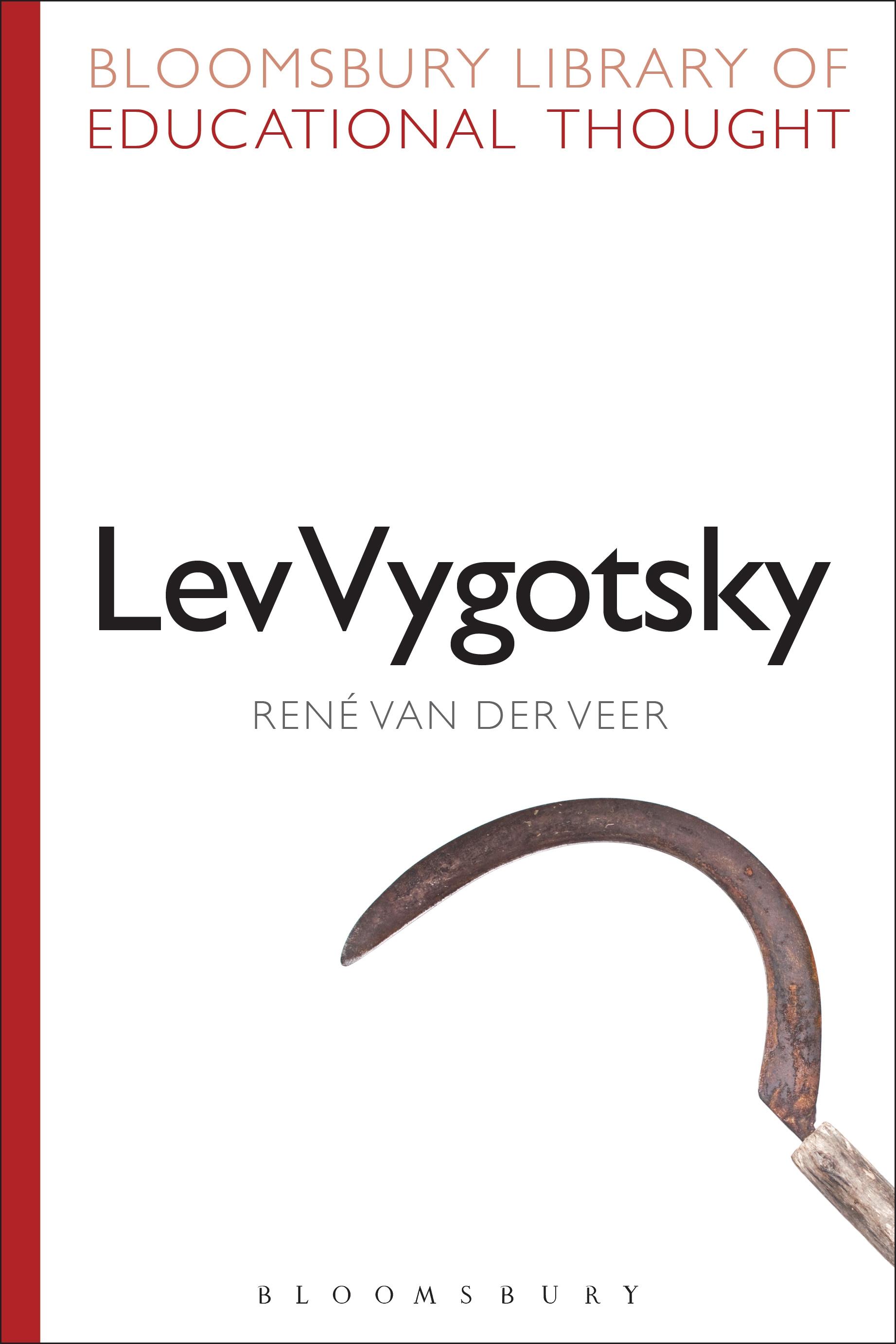
Lev Vygotsky, the great Russian psychologist, had a profound influence on educational thought. His work on the perception of art, cultural-historical theory of the mind and the zone of proximal development all had an impact on modern education.
This text provides a succinct critical account of Vygotsky's life and work against the background of the political events and social turmoil of that time and analyses his cross-cultural research and the application of his ideas to contemporary education. René van der Veer offers his own interpretation of Vygotsky as both the man and anti-man of educational philosophy, concluding that the strength of Vygotsky's legacy lies in its unfinished, open nature.
This text provides a succinct critical account of Vygotsky's life and work against the background of the political events and social turmoil of that time and analyses his cross-cultural research and the application of his ideas to contemporary education. René van der Veer offers his own interpretation of Vygotsky as both the man and anti-man of educational philosophy, concluding that the strength of Vygotsky's legacy lies in its unfinished, open nature.
Płać wygodnie kartą, Klarną, Apple Pay lub Google Pay. Nie jesteś zadowolony? Zawsze masz 14-dniową gwarancję zwrotu pieniędzy. Więcej przeczytasz w naszych warunkach. Masz pytania? Napisz do nas na hello@memmo.org.
Memmo ułatwia naukę – gdziekolwiek jesteś na świecie. U nas znajdziesz podręczniki i sprytne narzędzia do nauki w jednym miejscu: streszczenia, quizy, podcasty i fiszki. A do tego Ted, Twój kumpel do nauki, który odpowie na wszystko, co Cię nurtuje. Ponad 50 000 studentów już tu się uczy – stworzone, byś uczył się szybciej i mniej stresował.