
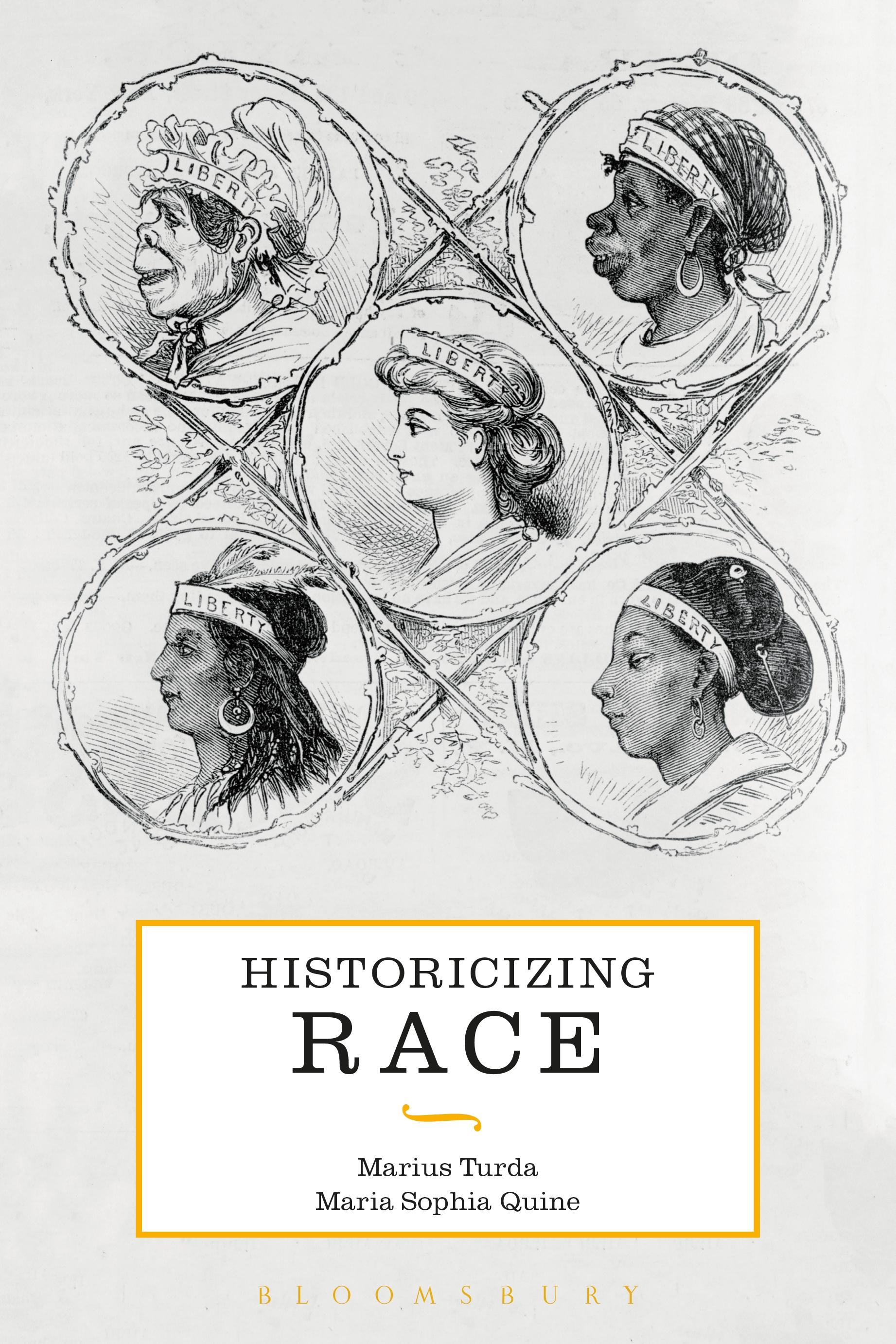
The idea of race may be outdated, as many commentators and scholars, working in a broad range of different fields in the sciences and humanities, have argued over many years. Nevertheless, it remains one of the most persistent forms of human classification. Theories of race primitivism (the idea that there is a 'natural' racial hierarchy and ranking order of 'inferior' and 'superior' races), race biologism (the belief that people can be classified by genetic features which are shared by members of racial groups), and race essentialism (the notion that races can be defined by scientifically identifiable and verifiable cultural and physical characteristics) are deeply embedded in modern history, culture and politics.
Historicizing Race offers a new understanding of this reality by exploring the interconnectedness of scientific, cultural and political strands of racial thought in Europe and elsewhere. It re-conceptualises the idea of race by unearthing various historical traditions that continue to inform not only current debates about individual and collective identities, but also national and international politics. In a concise format, accessible to students and scholars alike, the authors draw out some of the reasons why race-centred thinking has, in recent years, re-emerged in such shocking and explicit form in current populist, xenophobic, and anti-immigration movements.
Historicizing Race offers a new understanding of this reality by exploring the interconnectedness of scientific, cultural and political strands of racial thought in Europe and elsewhere. It re-conceptualises the idea of race by unearthing various historical traditions that continue to inform not only current debates about individual and collective identities, but also national and international politics. In a concise format, accessible to students and scholars alike, the authors draw out some of the reasons why race-centred thinking has, in recent years, re-emerged in such shocking and explicit form in current populist, xenophobic, and anti-immigration movements.
Płać wygodnie kartą, Klarną, Apple Pay lub Google Pay. Nie jesteś zadowolony? Zawsze masz 14-dniową gwarancję zwrotu pieniędzy. Więcej przeczytasz w naszych warunkach. Masz pytania? Napisz do nas na hello@memmo.org.
Memmo ułatwia naukę – gdziekolwiek jesteś na świecie. U nas znajdziesz podręczniki i sprytne narzędzia do nauki w jednym miejscu: streszczenia, quizy, podcasty i fiszki. A do tego Ted, Twój kumpel do nauki, który odpowie na wszystko, co Cię nurtuje. Ponad 50 000 studentów już tu się uczy – stworzone, byś uczył się szybciej i mniej stresował.