
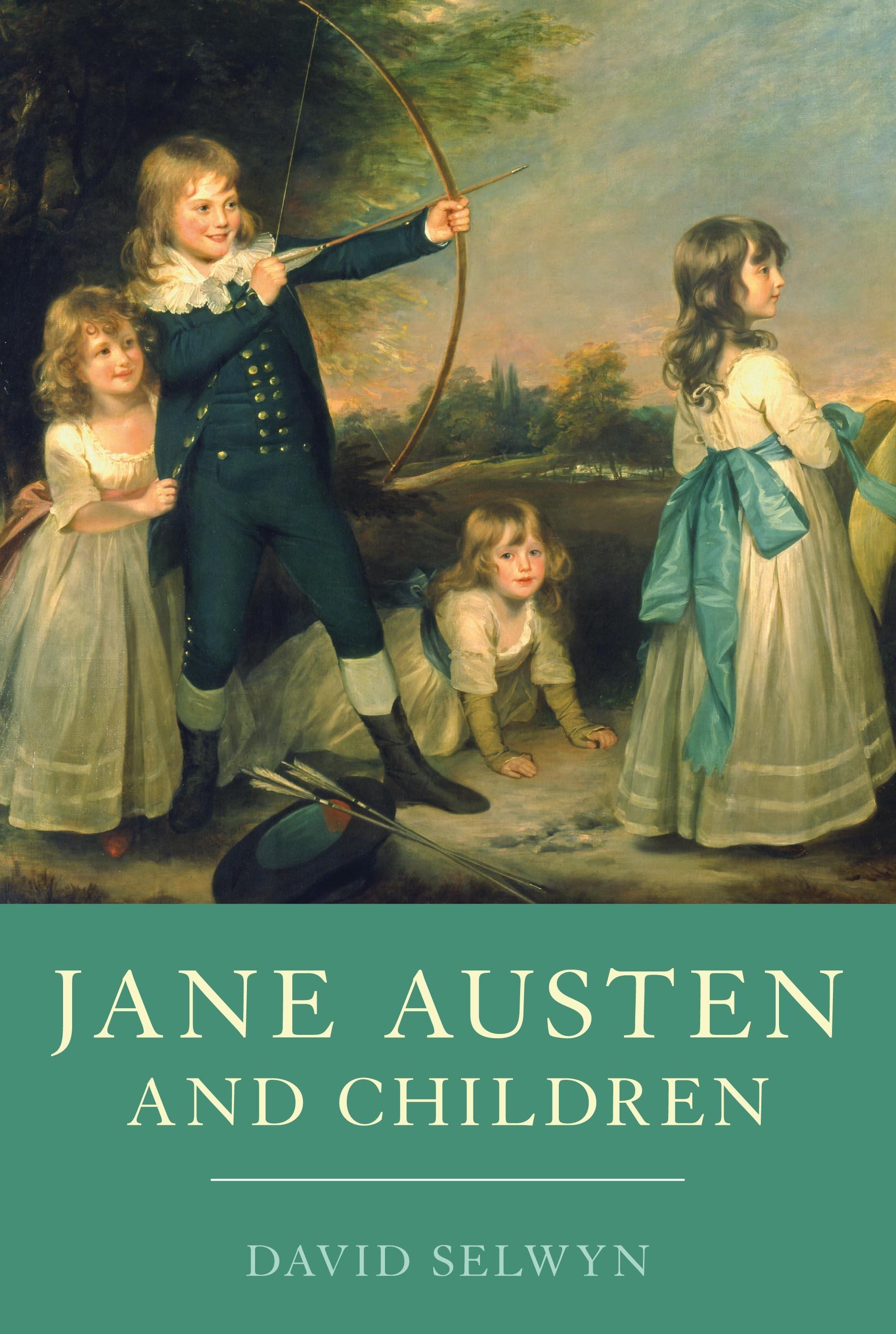
Jane Austen is not usually associated with children - especially since she had none of her own. But there are in fact more children in her novels than one might at first think. She herself was from a sizeable family, with numerous nephews and nieces. She was, by all accounts, good with children and popular with them. It was therefore natural for her to include them in her novels, even if sometimes offstage. This book, by one of the world's leading authorities on Austen, looks at both the real and the literary children in her life - children seen and unseen (and dead); children as models of behaviour, good and bad; as objects of affection, amusement, usefulness, pity, regret, jealousy, resentment; children in the way; children as excuses; children as heirs. In the process it casts fascinating light on a hitherto largely ignored aspect of her work and the age in which she lived.
Płać wygodnie kartą, Klarną, Apple Pay lub Google Pay. Nie jesteś zadowolony? Zawsze masz 14-dniową gwarancję zwrotu pieniędzy. Więcej przeczytasz w naszych warunkach. Masz pytania? Napisz do nas na hello@memmo.org.
Memmo ułatwia naukę – gdziekolwiek jesteś na świecie. U nas znajdziesz podręczniki i sprytne narzędzia do nauki w jednym miejscu: streszczenia, quizy, podcasty i fiszki. A do tego Ted, Twój kumpel do nauki, który odpowie na wszystko, co Cię nurtuje. Ponad 50 000 studentów już tu się uczy – stworzone, byś uczył się szybciej i mniej stresował.