
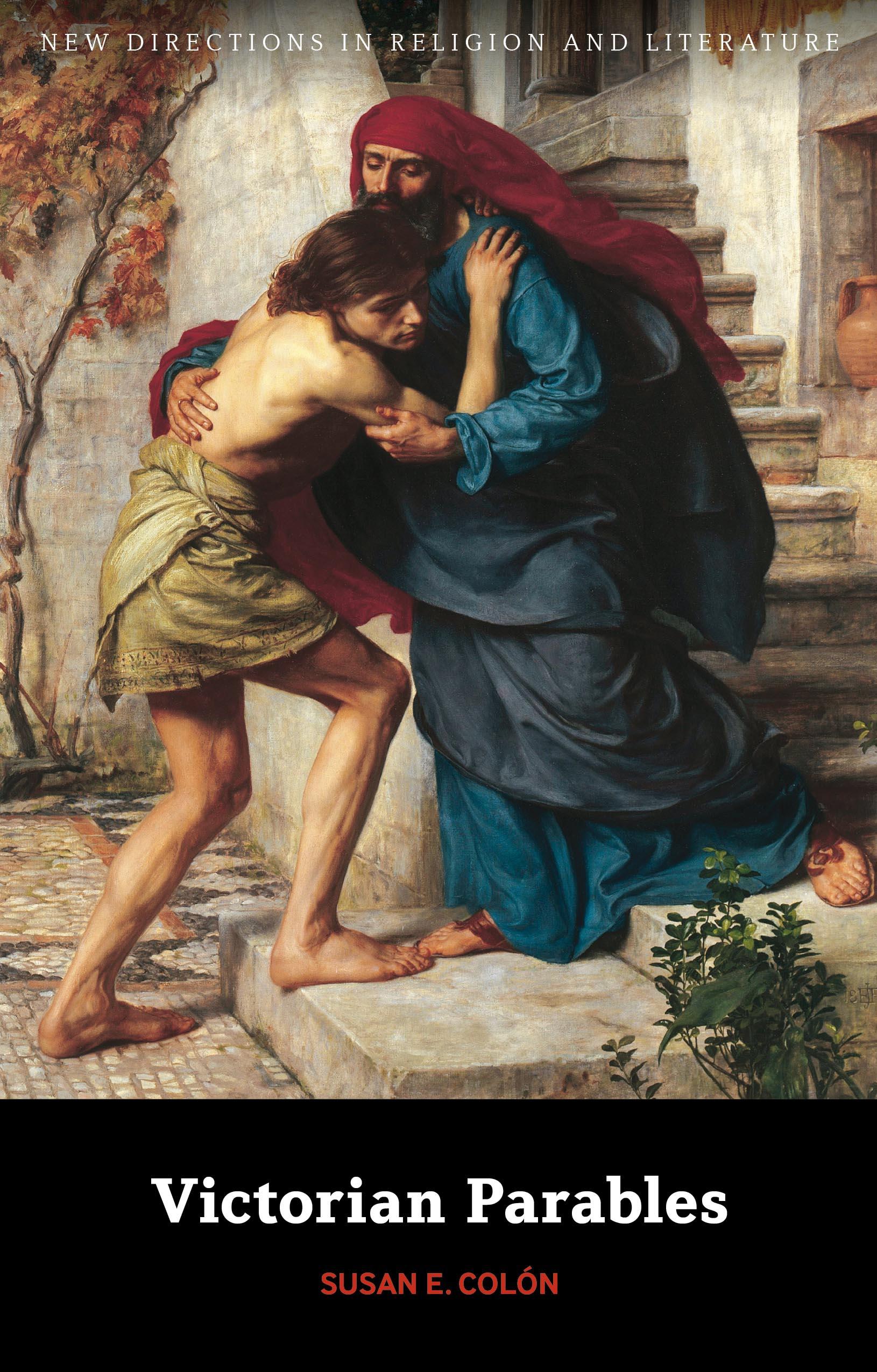
The familiar stories of the good Samaritan, the prodigal son, and Lazarus and the rich man were part of the cultural currency in the nineteenth century, and Victorian authors drew upon the figures and plots of biblical parables for a variety of authoritative, interpretive, and subversive effects. However, scholars of parables in literature have often overlooked the 19th-century novel, assuming that realism bears no relation to the subversive, iconoclastic genre of parable. In this book Susan E. Colòn shows that authors such as Charles Dickens, Margaret Oliphant, and Charlotte Yonge appreciated the power of parables to deliver an ethical charge that was as unexpected as it was disruptive to conventional moral ideas. Against the common assumption that the genres of realism and parable are polar opposites, this study explores how Victorian novels, despite their length, verisimilitude, and multi-plot complexity, can become parables in ways that imitate, interpret, and challenge their biblical sources.
Płać wygodnie kartą, Klarną, Apple Pay lub Google Pay. Nie jesteś zadowolony? Zawsze masz 14-dniową gwarancję zwrotu pieniędzy. Więcej przeczytasz w naszych warunkach. Masz pytania? Napisz do nas na hello@memmo.org.
Memmo ułatwia naukę – gdziekolwiek jesteś na świecie. U nas znajdziesz podręczniki i sprytne narzędzia do nauki w jednym miejscu: streszczenia, quizy, podcasty i fiszki. A do tego Ted, Twój kumpel do nauki, który odpowie na wszystko, co Cię nurtuje. Ponad 50 000 studentów już tu się uczy – stworzone, byś uczył się szybciej i mniej stresował.