
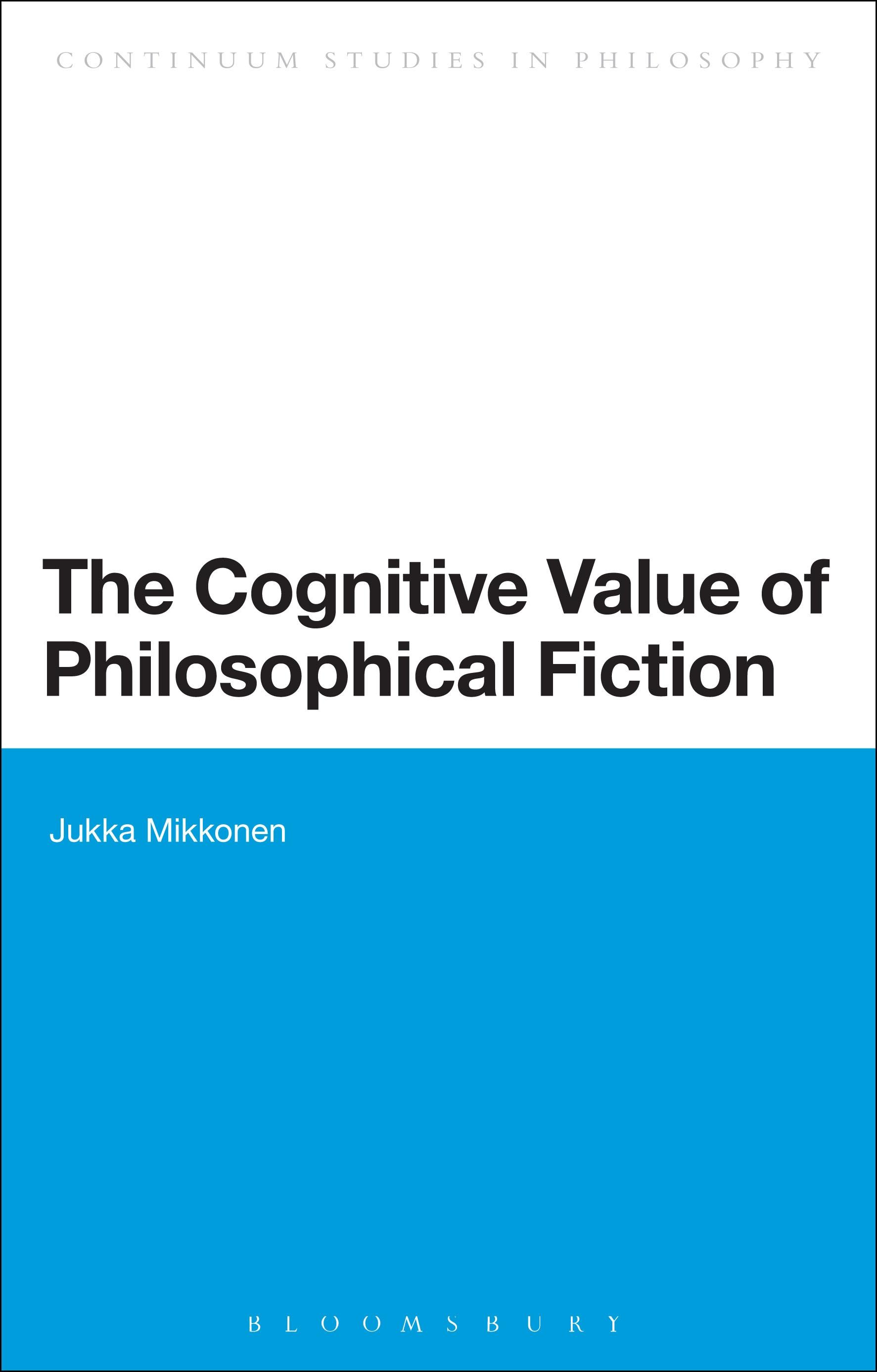
Can literary fictions convey significant philosophical views, understood in terms of propositional knowledge? This study addresses the philosophical value of literature by examining how literary works impart philosophy truth and knowledge and to what extent the works should be approached as communications of their authors.
Beginning with theories of fiction, it examines the case against the prevailing 'pretence' and 'make-believe' theories of fiction hostile to propositional theories of literary truth. Tackling further arguments against the cognitive function and value of literature, this study illustrates how literary works can contribute to knowledge by making assertions and suggestions and by providing hypotheses for the reader to assess.
Through clear analysis of the concept of the author, the role of the authorial intention and the different approaches to the 'meaning' of a literary work, this study provides an historical survey to the cognitivist-anti-cognitivist dispute, introducing contemporary trends in the discussion before presenting a novel approach to recognizing the cognitive function of literature. An important contribution to philosophical studies of literature and knowledge.
Beginning with theories of fiction, it examines the case against the prevailing 'pretence' and 'make-believe' theories of fiction hostile to propositional theories of literary truth. Tackling further arguments against the cognitive function and value of literature, this study illustrates how literary works can contribute to knowledge by making assertions and suggestions and by providing hypotheses for the reader to assess.
Through clear analysis of the concept of the author, the role of the authorial intention and the different approaches to the 'meaning' of a literary work, this study provides an historical survey to the cognitivist-anti-cognitivist dispute, introducing contemporary trends in the discussion before presenting a novel approach to recognizing the cognitive function of literature. An important contribution to philosophical studies of literature and knowledge.
Płać wygodnie kartą, Klarną, Apple Pay lub Google Pay. Nie jesteś zadowolony? Zawsze masz 14-dniową gwarancję zwrotu pieniędzy. Więcej przeczytasz w naszych warunkach. Masz pytania? Napisz do nas na hello@memmo.org.
Memmo ułatwia naukę – gdziekolwiek jesteś na świecie. U nas znajdziesz podręczniki i sprytne narzędzia do nauki w jednym miejscu: streszczenia, quizy, podcasty i fiszki. A do tego Ted, Twój kumpel do nauki, który odpowie na wszystko, co Cię nurtuje. Ponad 50 000 studentów już tu się uczy – stworzone, byś uczył się szybciej i mniej stresował.