
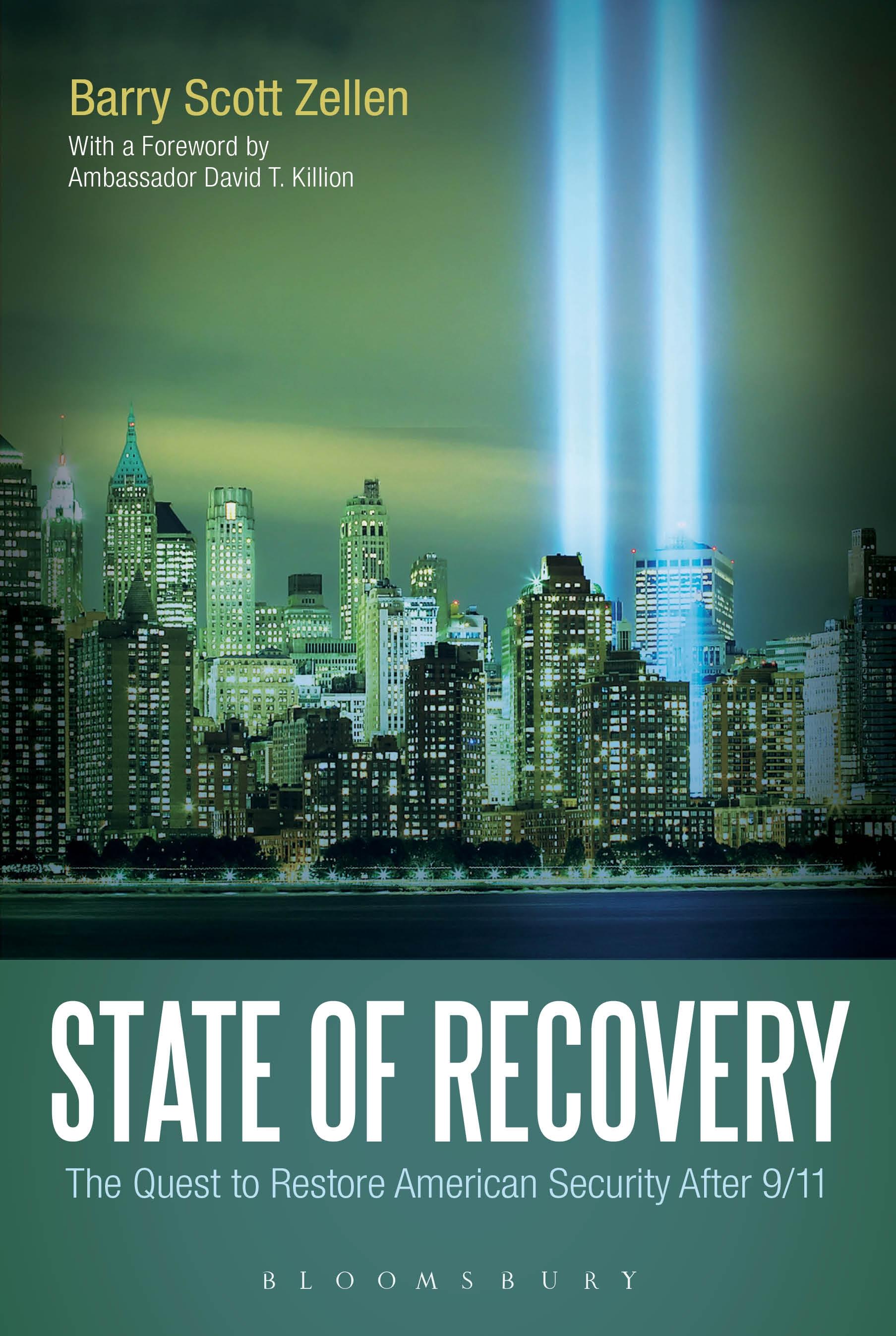
In the decade that followed 9/11, technologies and technology policies became central to homeland security. For example, the U.S. erected new border defenses with remote sensors and biometric scanners, and deployed new autonomous air warfare capabilities, such as the drone program. Looking at efforts to restore security after 9/11, the work examines issues such as the rise in technology spending, the various scenarios of mass terror, and America's effort to ensure that future engagements will take place far from the homeland. Operation Iraqi Freedom, Iran's emergence as nuclear threat, and North Korea's acceleration of its missile program are analyzed along with the "axis of evil" and America's effort to create a ballistic missile shield to thwart this emerging threat to its security. By focusing on the technologies of homeland security rather than on cyber warfare itself, the work offers a unique and needed survey that will appeal to anyone involved with the study and development of homeland and strategic security.
Płać wygodnie kartą, Klarną, Apple Pay lub Google Pay. Nie jesteś zadowolony? Zawsze masz 14-dniową gwarancję zwrotu pieniędzy. Więcej przeczytasz w naszych warunkach. Masz pytania? Napisz do nas na hello@memmo.org.
Memmo ułatwia naukę – gdziekolwiek jesteś na świecie. U nas znajdziesz podręczniki i sprytne narzędzia do nauki w jednym miejscu: streszczenia, quizy, podcasty i fiszki. A do tego Ted, Twój kumpel do nauki, który odpowie na wszystko, co Cię nurtuje. Ponad 50 000 studentów już tu się uczy – stworzone, byś uczył się szybciej i mniej stresował.