
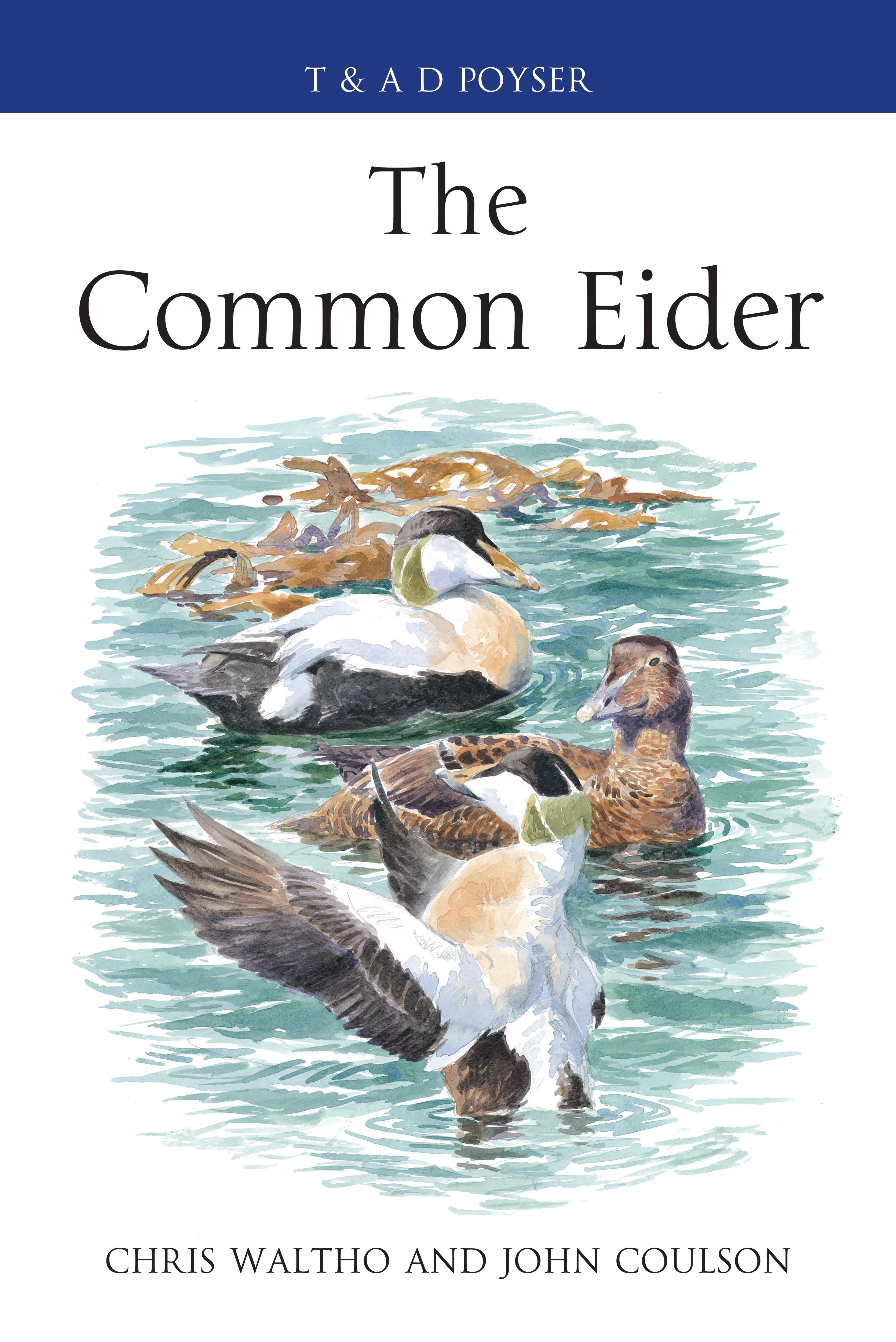
A monograph of the Common Eider, a large and familiar duck with a long and fascinating cultural history.
A common sight around the more northerly shores of the British Isles, the Common Eider is the largest duck in the northern hemisphere. The eider is particularly well adapted to cold-water environments; the insulating properties of eider down are iconic.
The species is taxonomically interesting, with a range of well-marked subspecies reflecting the patterns of ice coverage during ancient glaciations, and these ducks have also provided the focus for a number of important behavioural studies, especially on feeding ecology and energy budgets.
Eiders have a long association with humans, and have deep cultural significance in many societies. However, modern lifestyles are exposing these ducks to a wide range of new pressures.
This monograph provides a comprehensive portrait of the Common Eider; authors Chris Waltho and John Coulson bring together an extensive and diverse international literature, with sections on taxonomy, habitats, breeding biology, population dynamics, diet and foraging, dispersal and migration, and conservation.
A common sight around the more northerly shores of the British Isles, the Common Eider is the largest duck in the northern hemisphere. The eider is particularly well adapted to cold-water environments; the insulating properties of eider down are iconic.
The species is taxonomically interesting, with a range of well-marked subspecies reflecting the patterns of ice coverage during ancient glaciations, and these ducks have also provided the focus for a number of important behavioural studies, especially on feeding ecology and energy budgets.
Eiders have a long association with humans, and have deep cultural significance in many societies. However, modern lifestyles are exposing these ducks to a wide range of new pressures.
This monograph provides a comprehensive portrait of the Common Eider; authors Chris Waltho and John Coulson bring together an extensive and diverse international literature, with sections on taxonomy, habitats, breeding biology, population dynamics, diet and foraging, dispersal and migration, and conservation.
Płać wygodnie kartą, Klarną, Apple Pay lub Google Pay. Nie jesteś zadowolony? Zawsze masz 14-dniową gwarancję zwrotu pieniędzy. Więcej przeczytasz w naszych warunkach. Masz pytania? Napisz do nas na hello@memmo.org.
Memmo ułatwia naukę – gdziekolwiek jesteś na świecie. U nas znajdziesz podręczniki i sprytne narzędzia do nauki w jednym miejscu: streszczenia, quizy, podcasty i fiszki. A do tego Ted, Twój kumpel do nauki, który odpowie na wszystko, co Cię nurtuje. Ponad 50 000 studentów już tu się uczy – stworzone, byś uczył się szybciej i mniej stresował.