
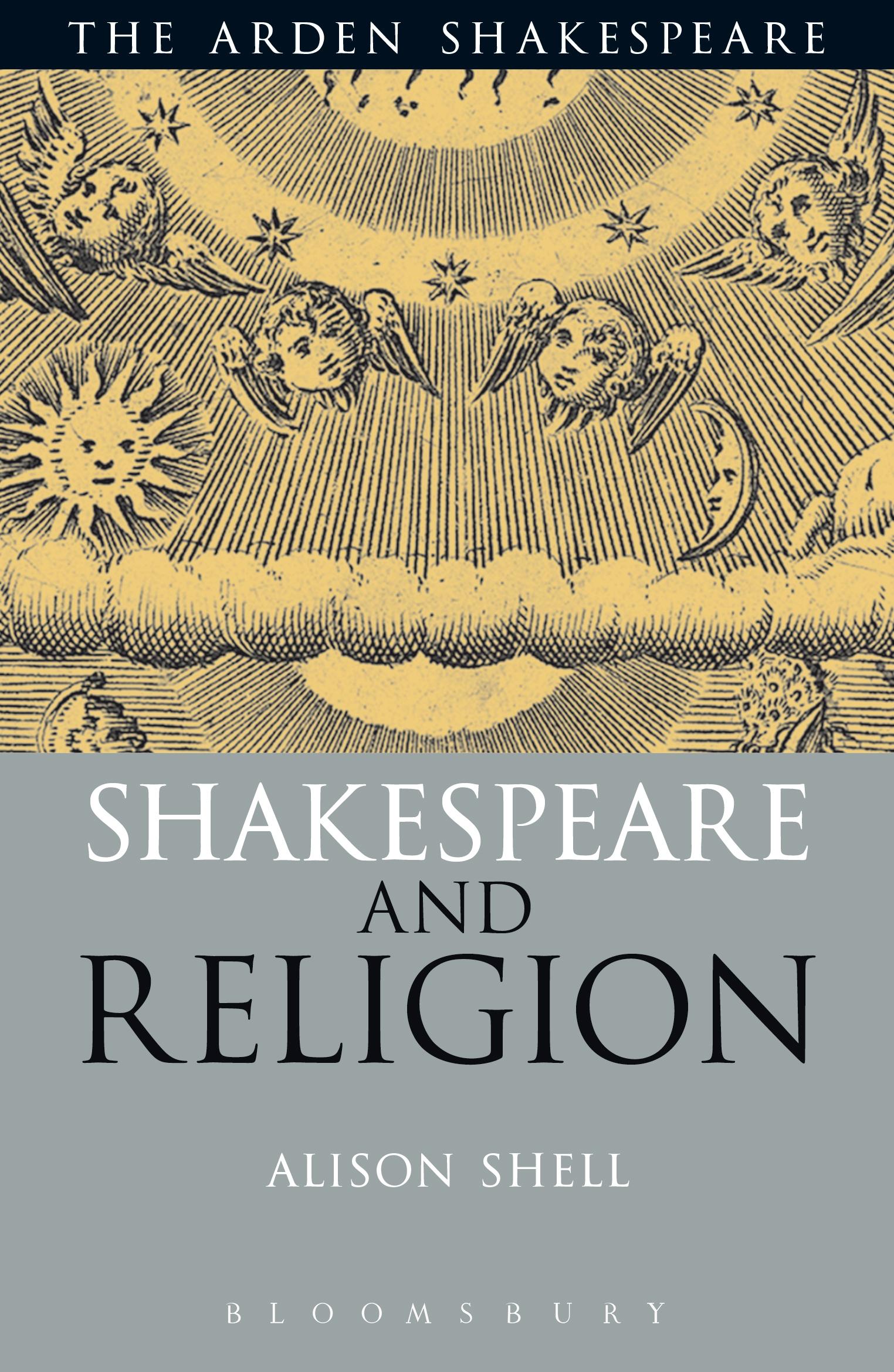
This book sets Shakespeare in the religious context of his times, presenting a balanced, up-to-date account of current biographical and critical debates, and addressing the fascinating, under-studied topic of how Shakespeare's writing was perceived by literary contemporaries - both Catholic and Protestant - whose priorities were more obviously religious than his own. It advances new readings of several plays, especially Hamlet, King Lear and The Winter's Tale; these draw in many cases on new and under-exploited contemporary analogues, ranging from conversion narratives, books of devotion and polemical pamphlets to manuscript drama and emblems.
Shakespeare's writing has been seen both as profoundly religious, giving everyday human life a sacramental quality, and as profoundly secular, foreshadowing the kind of humanism that sees no necessity for God. This study attempts to reconcile these two points of view, describing a writer whose language is saturated in religious discourse and whose dramaturgy is highly attentive to religious precedent, but whose invariable practice is to subordinate religious matter to the particular aesthetic demands of the work in hand. For Shakespeare, as for few of his contemporaries, the Judaeo-Christian story is something less than a master narrative.
Płać wygodnie kartą, Klarną, Apple Pay lub Google Pay. Nie jesteś zadowolony? Zawsze masz 14-dniową gwarancję zwrotu pieniędzy. Więcej przeczytasz w naszych warunkach. Masz pytania? Napisz do nas na hello@memmo.org.
Memmo ułatwia naukę – gdziekolwiek jesteś na świecie. U nas znajdziesz podręczniki i sprytne narzędzia do nauki w jednym miejscu: streszczenia, quizy, podcasty i fiszki. A do tego Ted, Twój kumpel do nauki, który odpowie na wszystko, co Cię nurtuje. Ponad 50 000 studentów już tu się uczy – stworzone, byś uczył się szybciej i mniej stresował.