
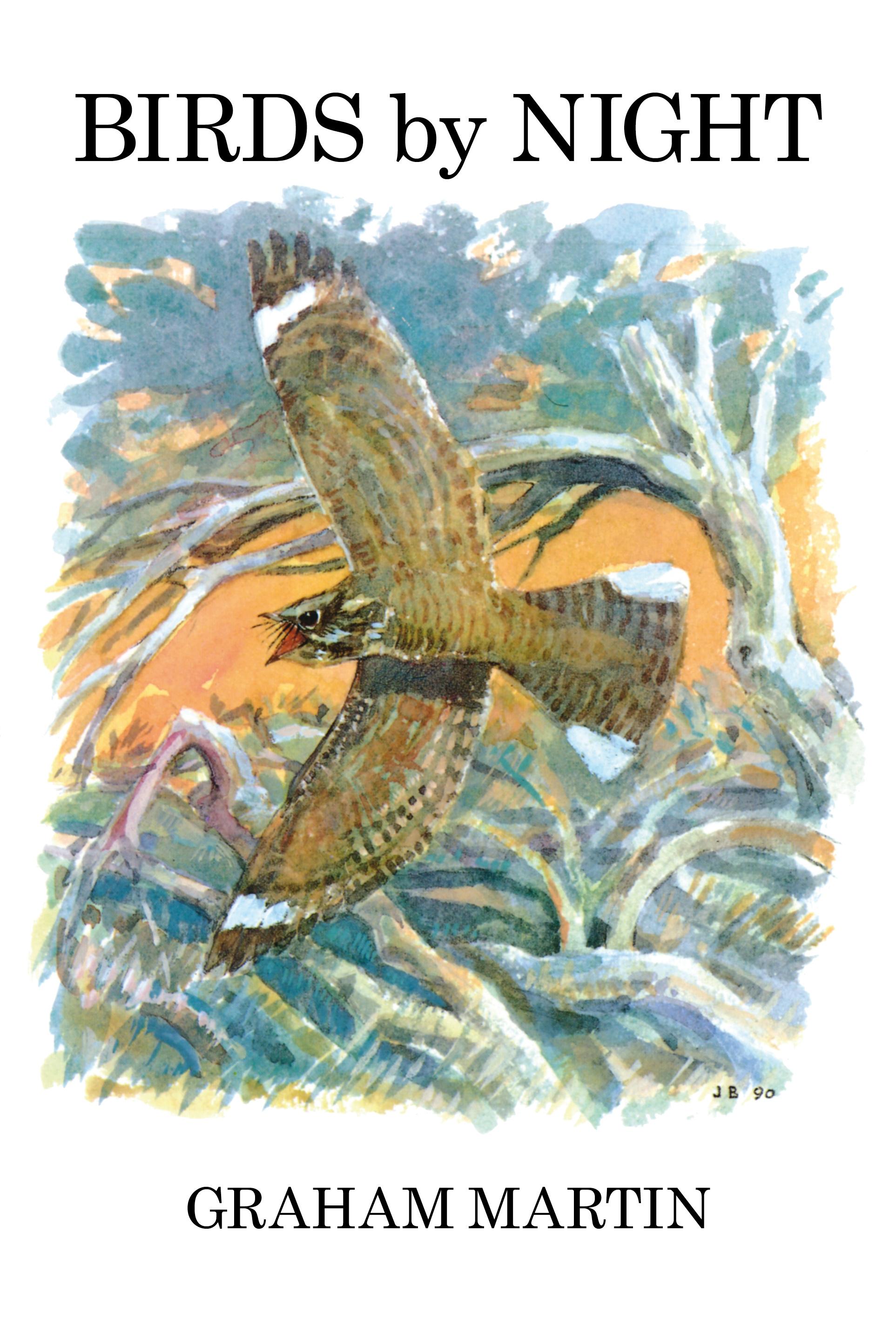
This book examines many examples of the nocturnal behaviour of birds.
For many people, watching and studying birds is exclusively a day time activity. However, for many birds twilight and night time are not a barrier to useful activity. It is true that very few birds are exclusively nocturnal, but many birds which are active by day also conduct limited, and often crucial, activities after dusk.
Examples range from the occasional night feeding of wildfowl and shorebirds to the night singing and night migration of certain passerines, and from the location of nest sites by sea birds to the nocturnal foraging of owls and nightjars. The special cases of flightless nocturnal birds and those birds which dwell in lightless caves are also considered.
Throughout, this survey considers not only what it is that birds do at night but also discusses how these nocturnal activities are possible. It brings together studies in field ornithology, sensory science, ecology and physics and involves comparisons of the sensory capacities of other animals, including man. It is shown how the senses of hearing, smell and touch, as well as vision, play a crucial role in many of the night time activities of birds.
However, these senses are not always adequate for fully explaining how nocturnal behaviours are executed. To achieve this we must look at the complex of relationships between behavioural and sensory adaptations and the particular environments which birds inhabit from dusk to dawn.
For many people, watching and studying birds is exclusively a day time activity. However, for many birds twilight and night time are not a barrier to useful activity. It is true that very few birds are exclusively nocturnal, but many birds which are active by day also conduct limited, and often crucial, activities after dusk.
Examples range from the occasional night feeding of wildfowl and shorebirds to the night singing and night migration of certain passerines, and from the location of nest sites by sea birds to the nocturnal foraging of owls and nightjars. The special cases of flightless nocturnal birds and those birds which dwell in lightless caves are also considered.
Throughout, this survey considers not only what it is that birds do at night but also discusses how these nocturnal activities are possible. It brings together studies in field ornithology, sensory science, ecology and physics and involves comparisons of the sensory capacities of other animals, including man. It is shown how the senses of hearing, smell and touch, as well as vision, play a crucial role in many of the night time activities of birds.
However, these senses are not always adequate for fully explaining how nocturnal behaviours are executed. To achieve this we must look at the complex of relationships between behavioural and sensory adaptations and the particular environments which birds inhabit from dusk to dawn.
Płać wygodnie kartą, Klarną, Apple Pay lub Google Pay. Nie jesteś zadowolony? Zawsze masz 14-dniową gwarancję zwrotu pieniędzy. Więcej przeczytasz w naszych warunkach. Masz pytania? Napisz do nas na hello@memmo.org.
Memmo ułatwia naukę – gdziekolwiek jesteś na świecie. U nas znajdziesz podręczniki i sprytne narzędzia do nauki w jednym miejscu: streszczenia, quizy, podcasty i fiszki. A do tego Ted, Twój kumpel do nauki, który odpowie na wszystko, co Cię nurtuje. Ponad 50 000 studentów już tu się uczy – stworzone, byś uczył się szybciej i mniej stresował.