
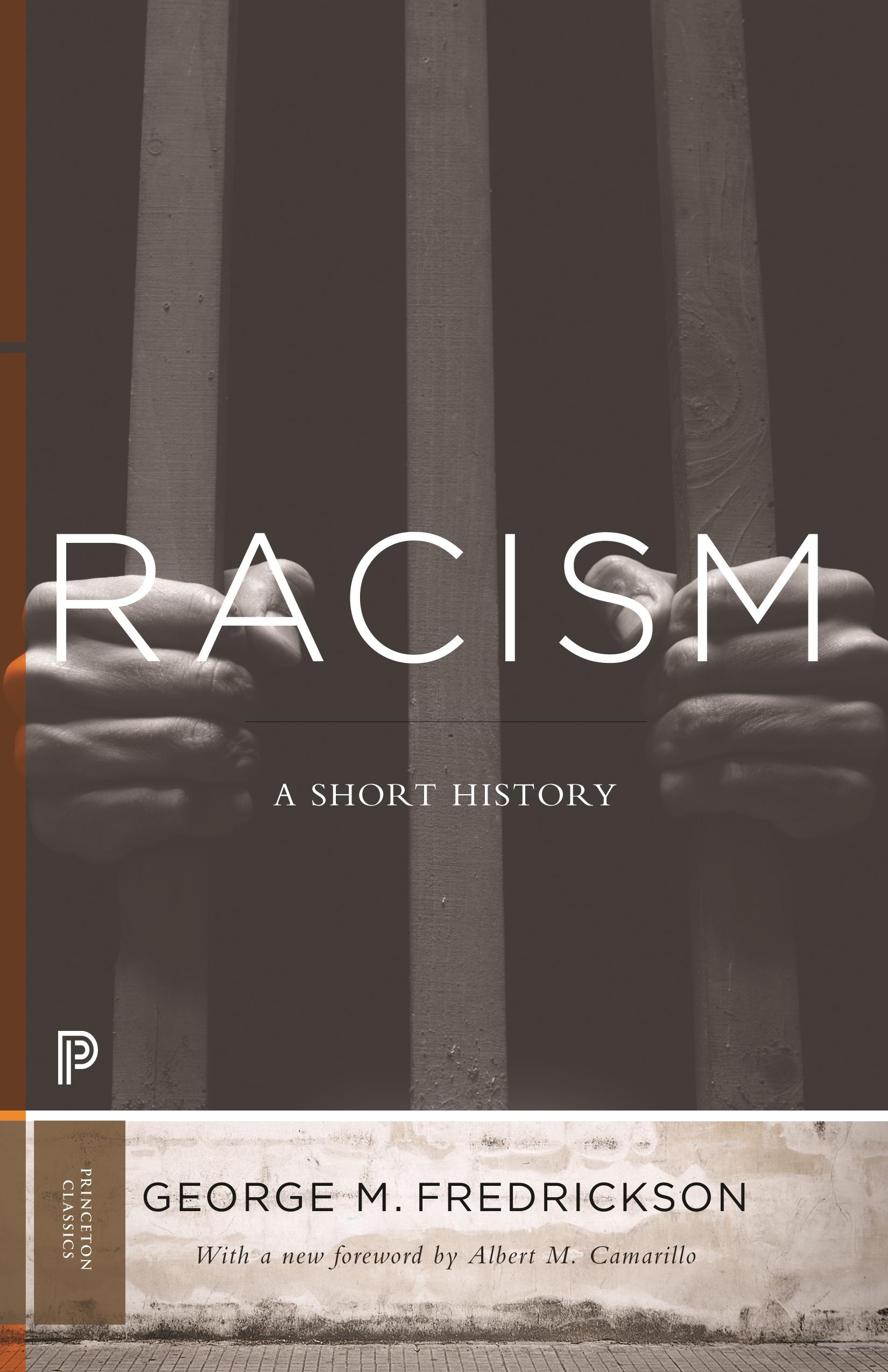
Are antisemitism and white supremacy manifestations of a general phenomenon? Why didn't racism appear in Europe before the fourteenth century, and why did it flourish as never before in the eighteenth and nineteenth centuries? Why did the twentieth century see institutionalized racism in its most extreme forms? Why are egalitarian societies particularly susceptible to virulent racism? What do apartheid South Africa, Nazi Germany, and the American South under Jim Crow have in common? How did the Holocaust advance civil rights in the United States?
With a rare blend of learning, economy, and cutting insight, George Fredrickson surveys the history of Western racism from its emergence in the late Middle Ages to the present. Beginning with the medieval antisemitism that put Jews beyond the pale of humanity, he traces the spread of racist thinking in the wake of European expansionism and the beginnings of the African slave trade. And he examines how the Enlightenment and nineteenth-century romantic nationalism created a new intellectual context for debates over slavery and Jewish emancipation.
Fredrickson then makes the first sustained comparison between the color-coded racism of nineteenth-century America and the antisemitic racism that appeared in Germany around the same time. He finds similarity enough to justify the common label but also major differences in the nature and functions of the stereotypes invoked. The book concludes with a provocative account of the rise and decline of the twentieth century's overtly racist regimes--the Jim Crow South, Nazi Germany, and apartheid South Africa--in the context of world historical developments.
This illuminating work is the first to treat racism across such a sweep of history and geography. It is distinguished not only by its original comparison of modern racism's two most significant varieties--white supremacy and antisemitism--but also by its eminent readability.
Płać wygodnie kartą, Klarną, Apple Pay lub Google Pay. Nie jesteś zadowolony? Zawsze masz 14-dniową gwarancję zwrotu pieniędzy. Więcej przeczytasz w naszych warunkach. Masz pytania? Napisz do nas na hello@memmo.org.
Memmo ułatwia naukę – gdziekolwiek jesteś na świecie. U nas znajdziesz podręczniki i sprytne narzędzia do nauki w jednym miejscu: streszczenia, quizy, podcasty i fiszki. A do tego Ted, Twój kumpel do nauki, który odpowie na wszystko, co Cię nurtuje. Ponad 50 000 studentów już tu się uczy – stworzone, byś uczył się szybciej i mniej stresował.