
Zanim poznałem Memmo, moje notatki były rozrzucone po PDF-ach. Teraz obszar roboczy zbiera wszystko w jednym miejscu — widzę dokładnie, co jeszcze muszę powtórzyć.
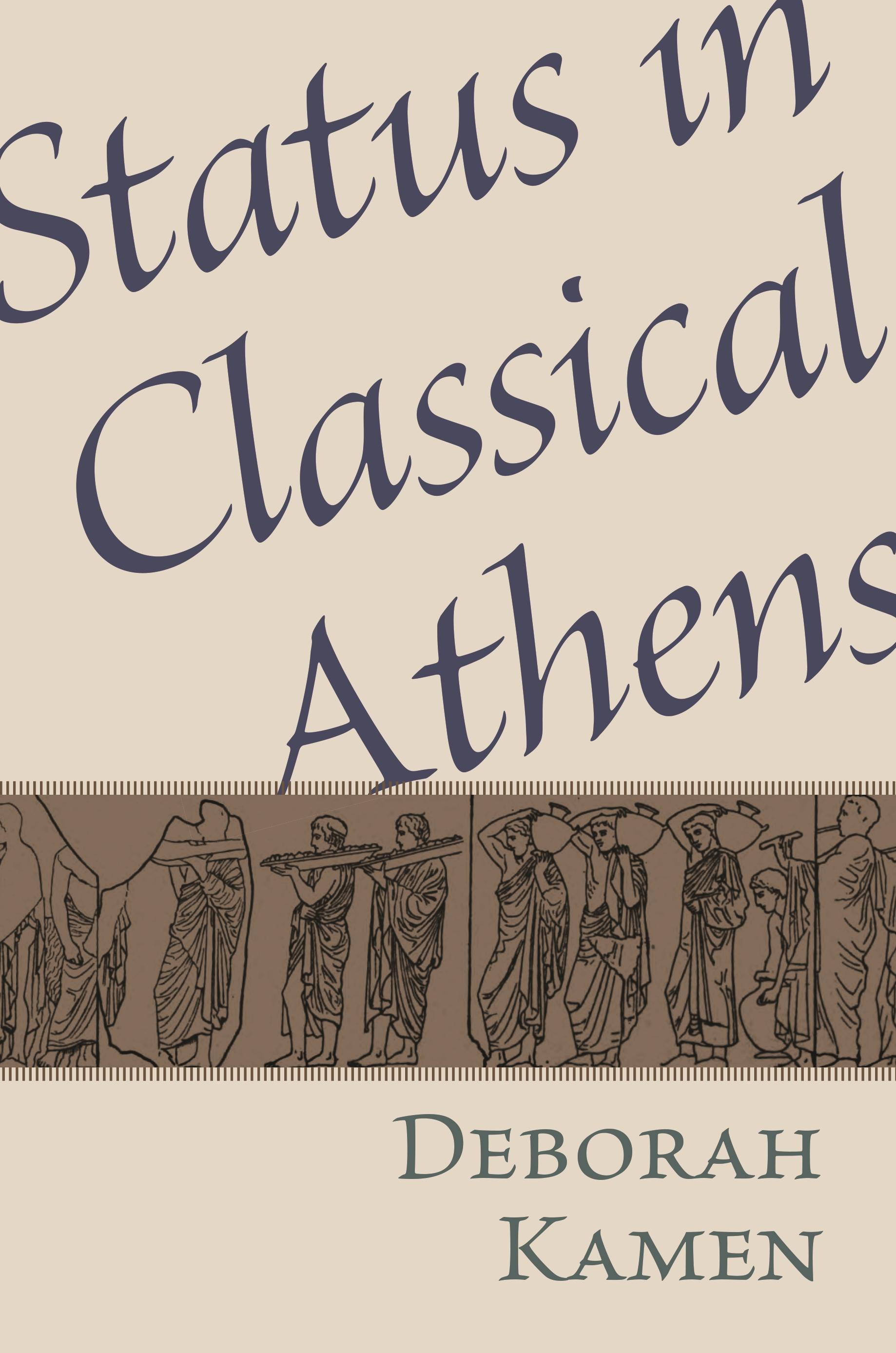
Ancient Greek literature, Athenian civic ideology, and modern classical scholarship have all worked together to reinforce the idea that there were three neatly defined status groups in classical Athens--citizens, slaves, and resident foreigners. But this book--the first comprehensive account of status in ancient democratic Athens--clearly lays out the evidence for a much broader and more complex spectrum of statuses, one that has important implications for understanding Greek social and cultural history. By revealing a social and legal reality otherwise masked by Athenian ideology, Deborah Kamen illuminates the complexity of Athenian social structure, uncovers tensions between democratic ideology and practice, and contributes to larger questions about the relationship between citizenship and democracy.
Each chapter is devoted to one of ten distinct status groups in classical Athens (451/0-323 BCE): chattel slaves, privileged chattel slaves, conditionally freed slaves, resident foreigners (metics), privileged metics, bastards, disenfranchised citizens, naturalized citizens, female citizens, and male citizens. Examining a wide range of literary, epigraphic, and legal evidence, as well as factors not generally considered together, such as property ownership, corporal inviolability, and religious rights, the book demonstrates the important legal and social distinctions that were drawn between various groups of individuals in Athens. At the same time, it reveals that the boundaries between these groups were less fixed and more permeable than Athenians themselves acknowledged. The book concludes by trying to explain why ancient Greek literature maintains the fiction of three status groups despite a far more complex reality.
Zanim poznałem Memmo, moje notatki były rozrzucone po PDF-ach. Teraz obszar roboczy zbiera wszystko w jednym miejscu — widzę dokładnie, co jeszcze muszę powtórzyć.
Podsumowania Memmo to złoto przed egzaminami. Nie muszę czytać 800 stron dwa tygodnie wcześniej — tylko to, co najważniejsze.
Czat AI uratował mnie niejeden raz w noc przed egzaminem. Pytam, dopóki nie zrozumiem — i nie muszę czekać na odpowiedź od grupy studyjnej.
Quizy trafiają w punkt, jeśli chodzi o to, co muszę wiedzieć. Memmo śledzi, na czym się zacinam — więc ćwiczę tylko to, co naprawdę się liczy.
Fiszki z powtórkami rozłożonymi w czasie to magia. Memmo wie, kiedy mam coś zapomnieć i przypomina mi o tym.
Podcasty AI to mój faworyt. Słucham w drodze do szkoły i powtarzam materiał, nie siedząc przed komputerem.

Handbok i kvalitativa metoder
281 kr

Hållbar utveckling: en introduktion för ingenjörer och andra problemlösare
334 kr

Brymans Samhällsvetenskapliga metoder
390 kr

Projektledning
491 kr

Den orättvisa hälsan: om socioekonomiska skillnader i hälsa och livslängd
326 kr

Organizational Leadership
429 kr

Vetenskapsteori för nybörjare
196 kr

På väg mot läraryrket
172 kr

Det sociala livet i skolan: Socialpsykologiska perspektiv
253 kr

Betygsättningens didaktik
151 kr

Personality
402 kr

Studying Leadership
404 kr

Managing Innovation
477 kr

Introduktion till samhällsvetenskaplig metod
347 kr

The Psychology of Sex and Gender
698 kr

Evidens och kunskap för socialt arbete
207 kr

Introduction to Leadership
605 kr