
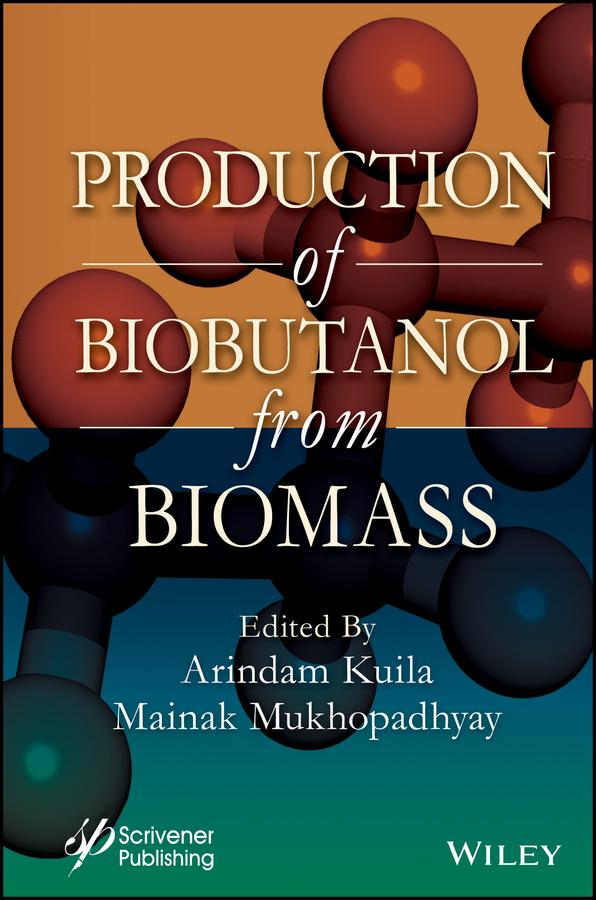
The book covers all current technologies of lignocellulosic biobutanol production as well as the environmental and socioeconomic impact assessment.
N-butanol is a bulk chemical that is used as an industrial solvent and as a component in paint, coatings, and adhesives, among other things. When compared to other biofuels, biobutanol has the advantages of being immiscible in water, having a higher energy content, and having a lower vapor pressure. There are various benefits to producing biobutanol from lignocellulosic biomass. However, there are challenges in producing butanol from lignocellulosic biomass, such as biomass’s complex structure, low butanol yield, and high cost of production, etc.
The 13 chapters comprising this book discuss the current technology and prospects of biobutanol production. The first four chapters provide an overview of the current technological status, while the next six chapters discuss different strategies for enhanced biobutanol production from lignocellulosic biomass. The last three chapters present the industrial status and techno-economic analysis of lignocellulosic biobutanol production.
Audience
The book will be useful for researchers in the areas of various branches of life sciences such as environmental biotechnology, bioprocess engineering, renewable energy, chemical engineering, nanotechnology, biotechnology, microbiology.
Płać wygodnie kartą, Klarną, Apple Pay lub Google Pay. Nie jesteś zadowolony? Zawsze masz 14-dniową gwarancję zwrotu pieniędzy. Więcej przeczytasz w naszych warunkach. Masz pytania? Napisz do nas na hello@memmo.org.
Memmo ułatwia naukę – gdziekolwiek jesteś na świecie. U nas znajdziesz podręczniki i sprytne narzędzia do nauki w jednym miejscu: streszczenia, quizy, podcasty i fiszki. A do tego Ted, Twój kumpel do nauki, który odpowie na wszystko, co Cię nurtuje. Ponad 50 000 studentów już tu się uczy – stworzone, byś uczył się szybciej i mniej stresował.