
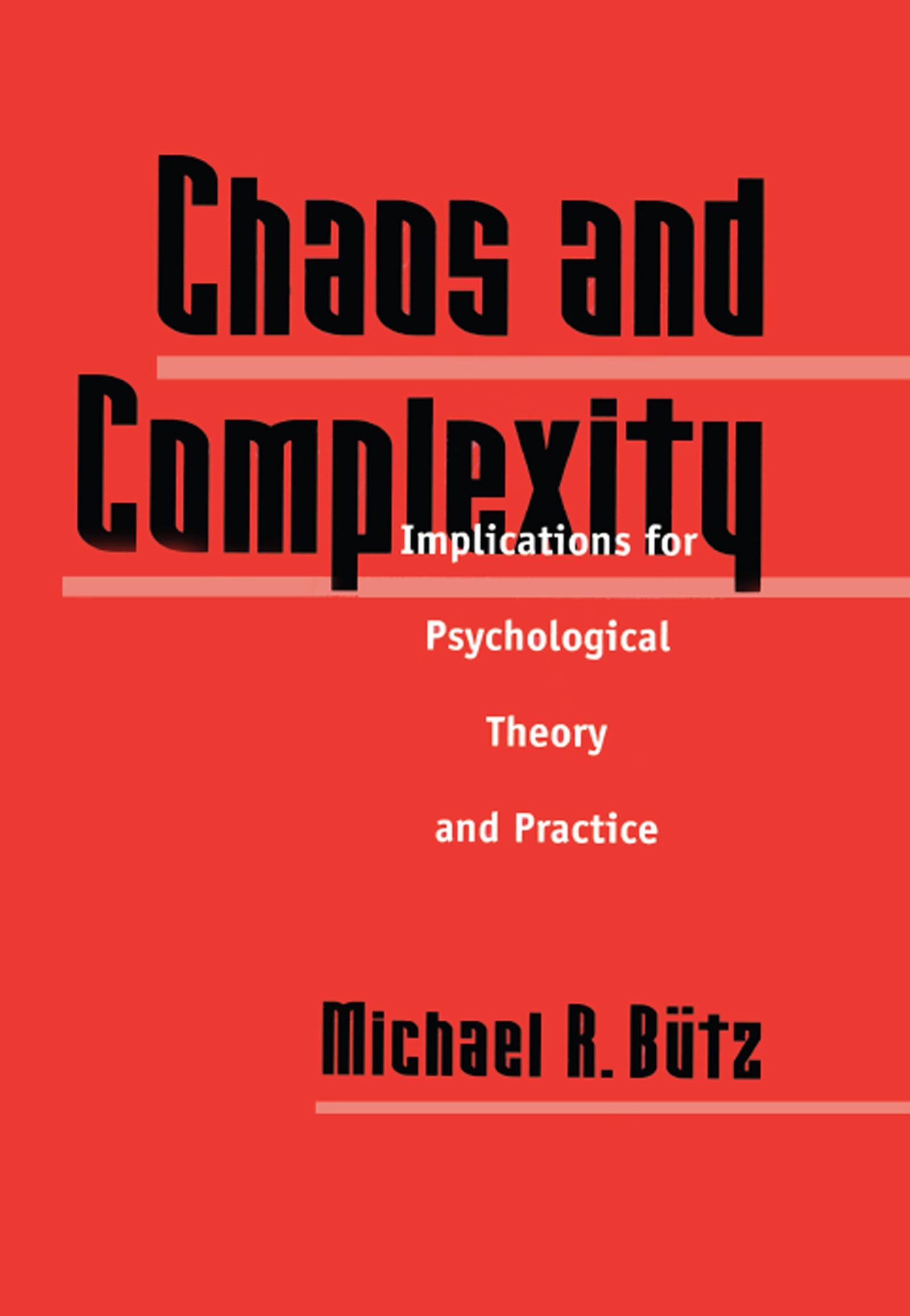
The nature of this book is to emphasize the inherent complexity and richness of the human experience of change. Now, the author believes there to be an acceptable "scientific" explanation for this phenomona. Explored here are 30 years of studies to describe nonlinear dynamics, today termed either chaos theory or complexity theory. The connotations of both theories are discussed at length. Offering social scientists validation in their attempts to describe and define phenomona of a previously ineffable nature, this book explores chaos' implications for psychology and the social sciences. It describes the benefits psychology can glean from using ideas in chaos theory and applying them to psychology in general, individual psycho-therapy, couples therapy, and community psychology, and also considers possible directions for research and application.
Płać wygodnie kartą, Klarną, Apple Pay lub Google Pay. Nie jesteś zadowolony? Zawsze masz 14-dniową gwarancję zwrotu pieniędzy. Więcej przeczytasz w naszych warunkach. Masz pytania? Napisz do nas na hello@memmo.org.
Memmo ułatwia naukę – gdziekolwiek jesteś na świecie. U nas znajdziesz podręczniki i sprytne narzędzia do nauki w jednym miejscu: streszczenia, quizy, podcasty i fiszki. A do tego Ted, Twój kumpel do nauki, który odpowie na wszystko, co Cię nurtuje. Ponad 50 000 studentów już tu się uczy – stworzone, byś uczył się szybciej i mniej stresował.
Może Ci się spodobać
Kup książkę0