
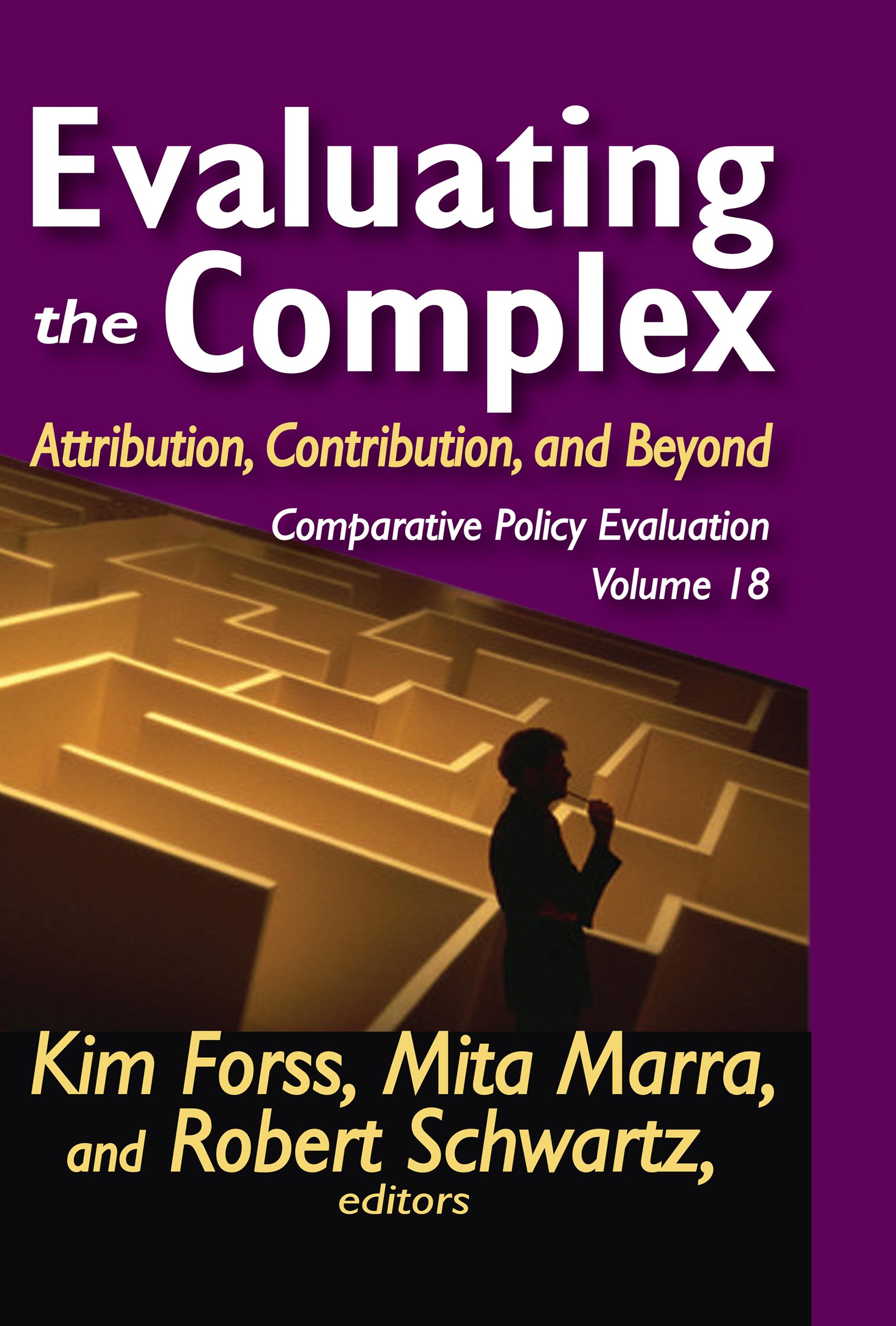
In the economic atmosphere following the crisis of 2008, not only have governments reacted by creating more complex policy initiatives, but they have also promised that all of these initiatives will be evaluated. Due to the complexity of many of the initiatives, the ways of evaluating are becoming equally complex.
The book begins with a theoretical and conceptual explanation of the process and shows how this translates into the practice of evaluation. The chapters cover a wide variety of subjects, such as poverty, homelessness, smoking prevention, HIV/AIDS, and child labor. The use of case studies sheds light on the conceptual ideas at work in organizations addressing some of the world's largest and most varied problems.
The evaluation process seeks a balance between order and chaos. The interaction of four elements—simplicity, inventiveness, flexibility, and specificity—allows complex patterns to emerge. The case studies illustrate this framework and provide a number of examples of practical management of complexity, in light of contingency theories of the evaluation process itself. These theories in turn match the complexity of evaluated policies, strategies, and programs. The evaluation process is examined for its impact on policy outcomes and choices.
Płać wygodnie kartą, Klarną, Apple Pay lub Google Pay. Nie jesteś zadowolony? Zawsze masz 14-dniową gwarancję zwrotu pieniędzy. Więcej przeczytasz w naszych warunkach. Masz pytania? Napisz do nas na hello@memmo.org.
Memmo ułatwia naukę – gdziekolwiek jesteś na świecie. U nas znajdziesz podręczniki i sprytne narzędzia do nauki w jednym miejscu: streszczenia, quizy, podcasty i fiszki. A do tego Ted, Twój kumpel do nauki, który odpowie na wszystko, co Cię nurtuje. Ponad 50 000 studentów już tu się uczy – stworzone, byś uczył się szybciej i mniej stresował.