
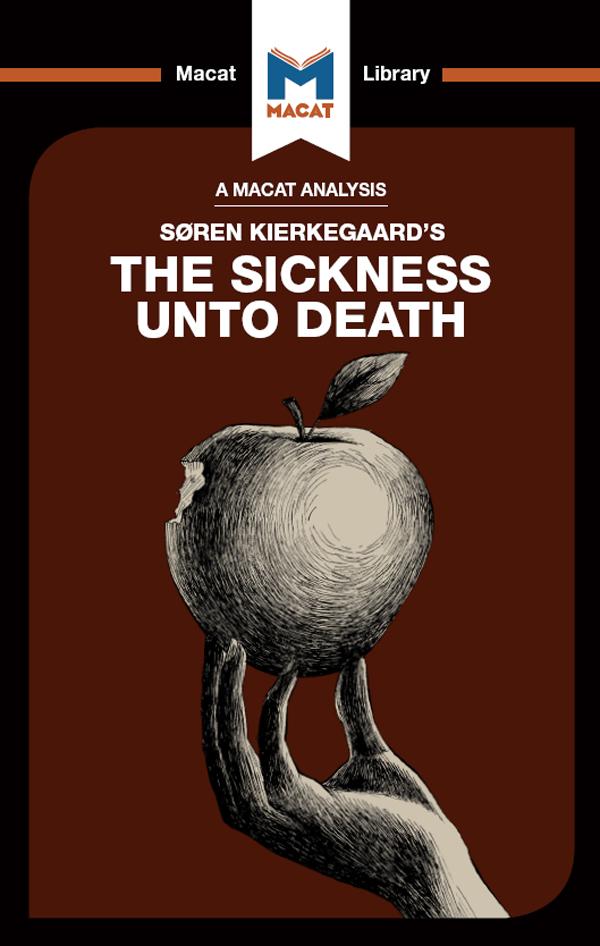
Søren Kierkegaard’s The Sickness unto Death is widely recognized as one of the most significant and influential works of Christian philosophy written in the nineteenth century. One of the cornerstones of Kierkegaard’s reputation as a writer and thinker, the book is also a masterclass in the art of interpretation. In critical thinking, interpretation is all about defining and clarifying terms – making sure that everyone is on the same page. But it can also be about redefining terms: showing old concepts in a new light by interpreting them in a certain way. This skill is at the heart of The Sickness unto Death.
Kierkegaard’s book focuses on the meaning of “despair” – the sickness named in the title. For Kierkegaard, the key problem of existence was an individual’s relationship with God, and he defines true despair as equating to the idea of sin – something that separates people from God, or from the idea of a higher standard beyond ourselves. Kierkegaard’s interpretative journey into the ideas of despair, sin and death is a Christian exploration of the place of the individual in the world. But its interpretative skills inspired generations of philosophers of all stripes – including notorious atheists like Jean-Paul Sartre.
Płać wygodnie kartą, Klarną, Apple Pay lub Google Pay. Nie jesteś zadowolony? Zawsze masz 14-dniową gwarancję zwrotu pieniędzy. Więcej przeczytasz w naszych warunkach. Masz pytania? Napisz do nas na hello@memmo.org.
Memmo ułatwia naukę – gdziekolwiek jesteś na świecie. U nas znajdziesz podręczniki i sprytne narzędzia do nauki w jednym miejscu: streszczenia, quizy, podcasty i fiszki. A do tego Ted, Twój kumpel do nauki, który odpowie na wszystko, co Cię nurtuje. Ponad 50 000 studentów już tu się uczy – stworzone, byś uczył się szybciej i mniej stresował.