
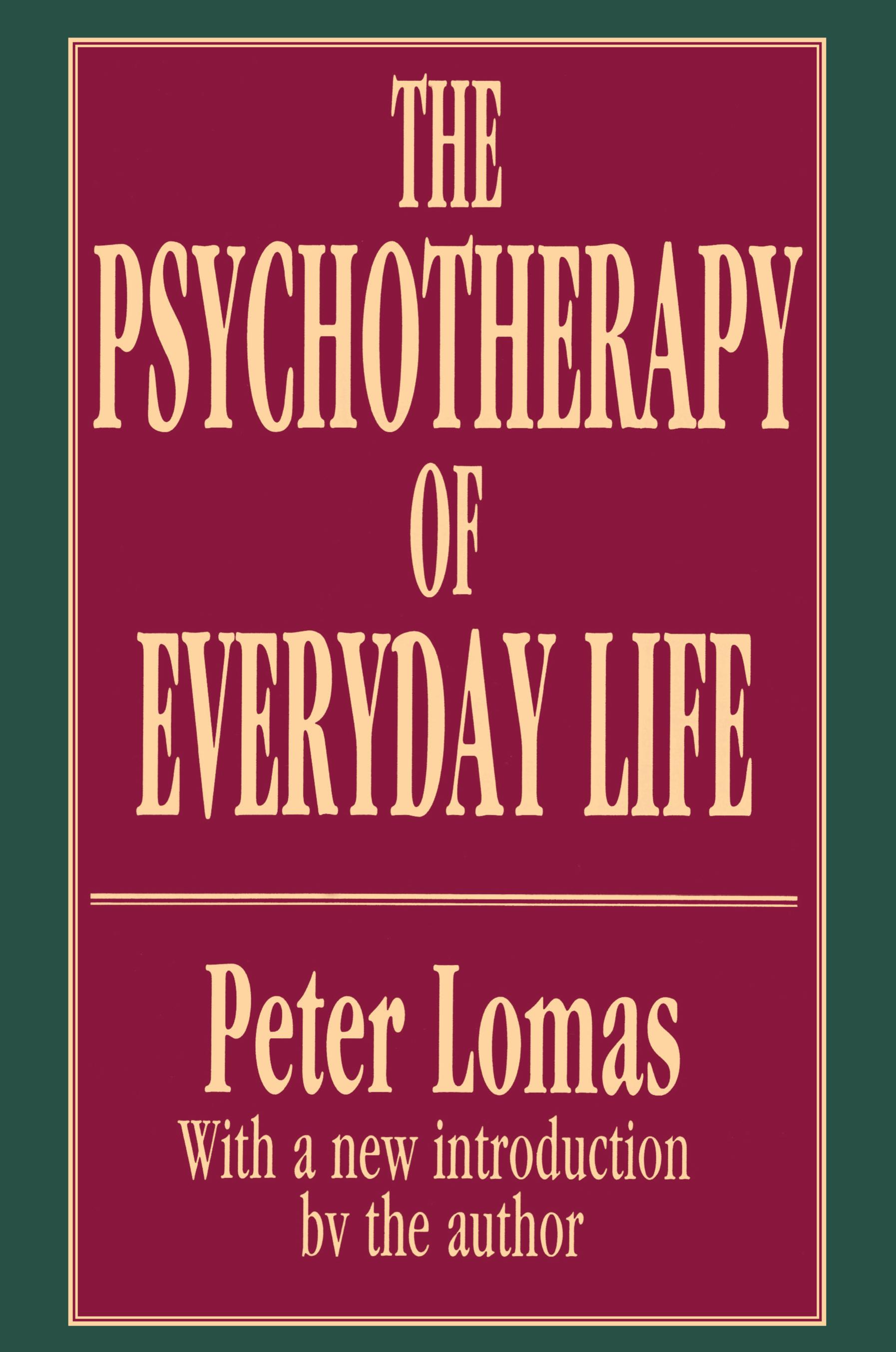
The place of the psychotherapist within the hierarchy of the medical profession and his status in the public opinion are ambiguous: many myths and ill-informed fears cloud the practice of psychotherapy not the least of which is the thorny issue of doctor-patient relationships. In this finely etched book, Peter Lomas puts the case for a personal psychotherapeutic approach based on his work with patients over many years.
The Psychotherapy of Everyday Life argues that the response to a person who comes for help should be an intuitive one, not hidebound by confusing technical theory. Psychotherapy is best understood as the application of ordinary interpersonal competence within an unusual setting, and formulations about its nature should take this point into account as their starting point.
In his brilliant new introduction, the author juxtaposes the clinical neutrality of Sigmund Freud to the Saridor Ferenczi position, which entails a sense of the rights of and respect for the patient. Lomas holds that Freud initiated the setting but brought to bear upon it an unnecessary and inappropriate theoretical superstructure that now stands between therapist and patient. It is not ideology but everyday judgment that should be the touchstone of treatment. Rigid professional distance can blind the analyst to the actual needs of real people.
Płać wygodnie kartą, Klarną, Apple Pay lub Google Pay. Nie jesteś zadowolony? Zawsze masz 14-dniową gwarancję zwrotu pieniędzy. Więcej przeczytasz w naszych warunkach. Masz pytania? Napisz do nas na hello@memmo.org.
Memmo ułatwia naukę – gdziekolwiek jesteś na świecie. U nas znajdziesz podręczniki i sprytne narzędzia do nauki w jednym miejscu: streszczenia, quizy, podcasty i fiszki. A do tego Ted, Twój kumpel do nauki, który odpowie na wszystko, co Cię nurtuje. Ponad 50 000 studentów już tu się uczy – stworzone, byś uczył się szybciej i mniej stresował.