
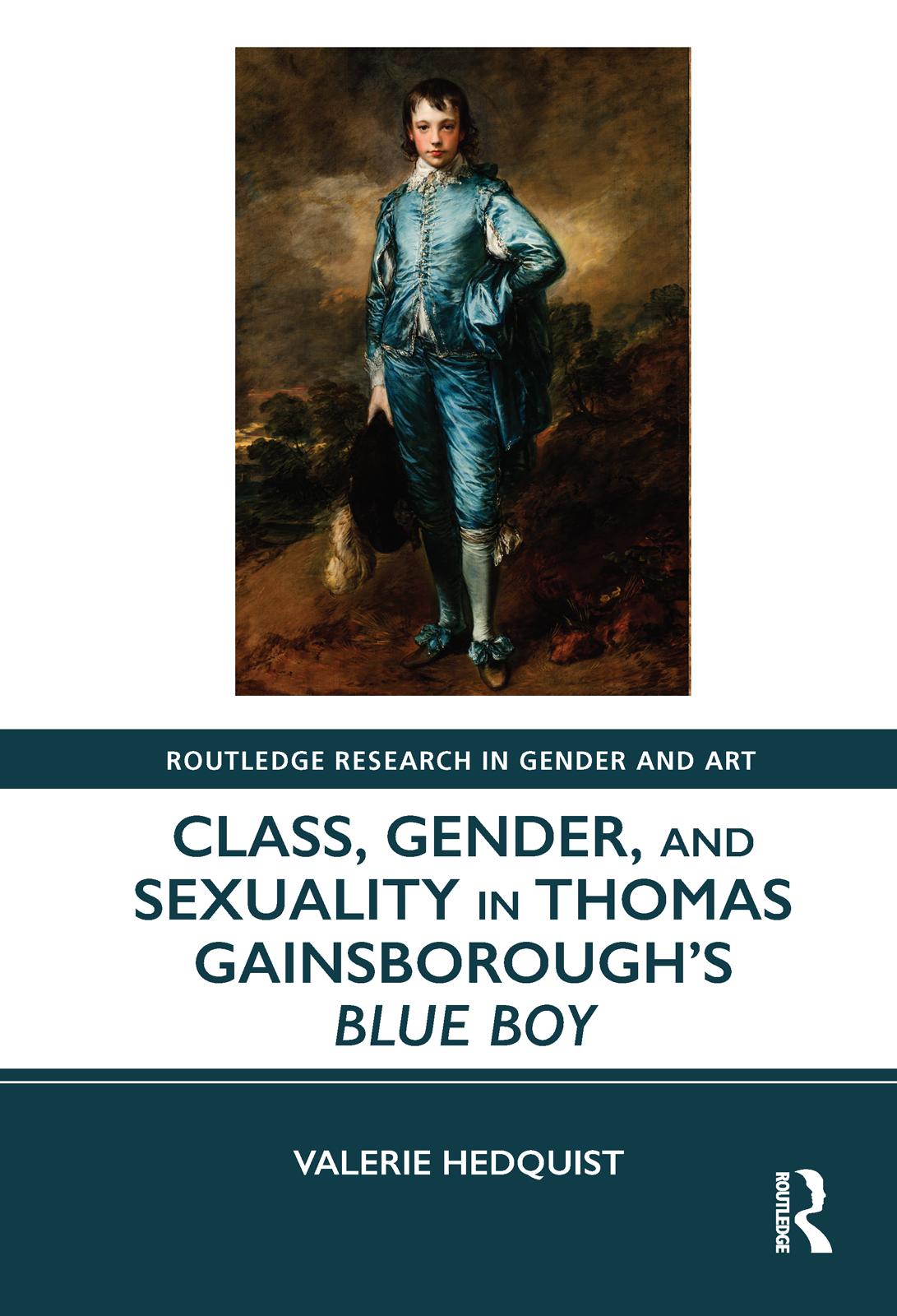
The reception of Thomas Gainsborough’s Blue Boy from its origins to its appearances in contemporary visual culture reveals how its popularity was achieved and maintained by diverse audiences and in varied venues. Performative manifestations resulted in contradictory characterizations of the painted youth as an aristocrat or a "regular fellow," as masculine or feminine, or as heterosexual or gay. In private and public spaces where viewers saw the actual painting and where living and rendered replicas circulated, Gainsborough’s painting was often the centerpiece where dominant and subordinate classes met, gender identities were enacted, and sexuality was implicitly or overtly expressed.
Płać wygodnie kartą, Klarną, Apple Pay lub Google Pay. Nie jesteś zadowolony? Zawsze masz 14-dniową gwarancję zwrotu pieniędzy. Więcej przeczytasz w naszych warunkach. Masz pytania? Napisz do nas na hello@memmo.org.
Memmo ułatwia naukę – gdziekolwiek jesteś na świecie. U nas znajdziesz podręczniki i sprytne narzędzia do nauki w jednym miejscu: streszczenia, quizy, podcasty i fiszki. A do tego Ted, Twój kumpel do nauki, który odpowie na wszystko, co Cię nurtuje. Ponad 50 000 studentów już tu się uczy – stworzone, byś uczył się szybciej i mniej stresował.