
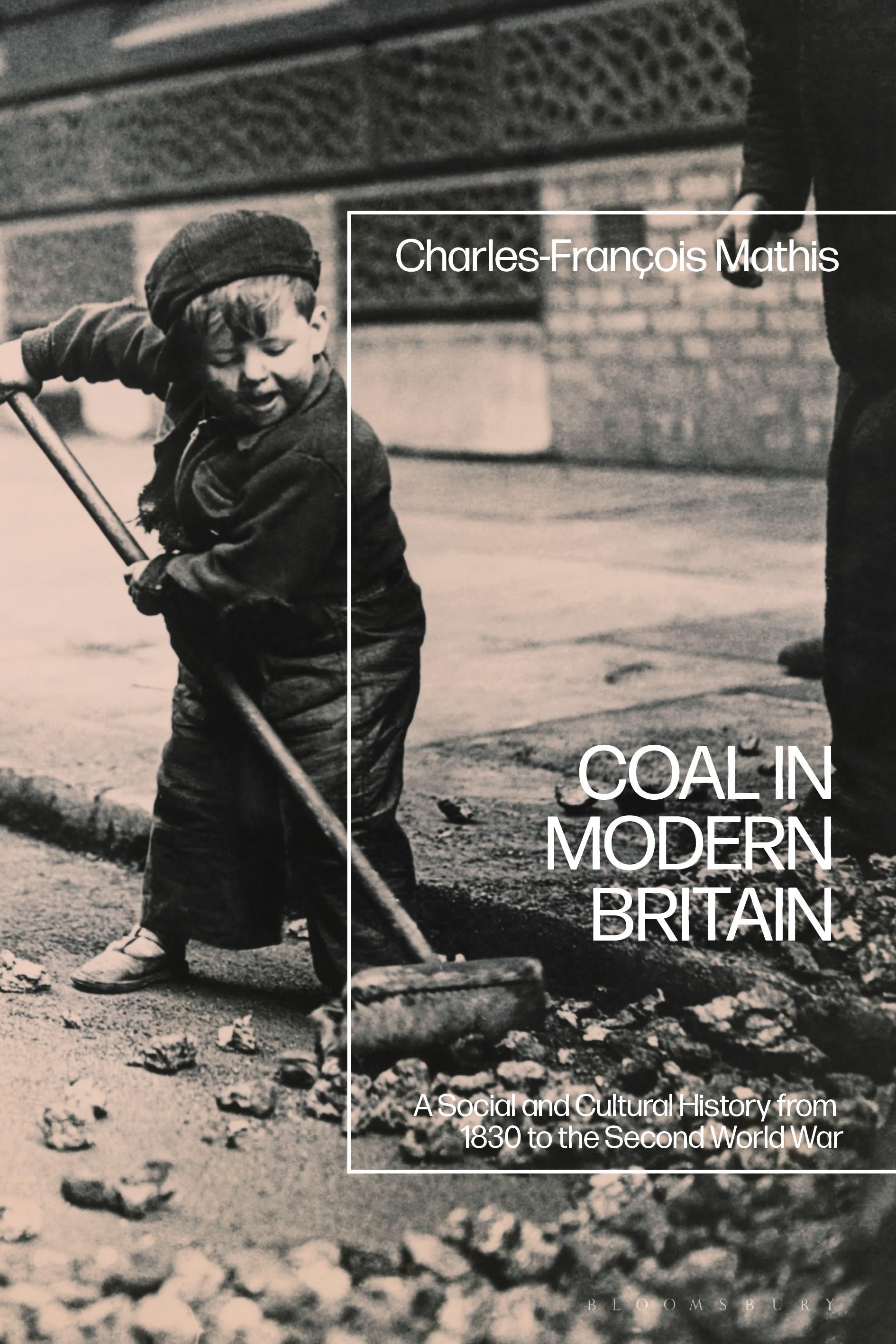
This is the first book to examine the social and cultural significance of coal in British society in the 19th and 20th centuries.
An English-language translation of Charles-François Mathis's award-winning study, Coal in Modern Britain gets to the heart of Britain's evolving relationship with this controversial energy source. How did the general public use and manage coal on a daily basis? Did they readily accept it, did they reject it, and how? What were the material and cultural features of a society so reliant on coal? Historians have long considered the political, technical, and economic structures of energy systems, but here the vital social and cultural contexts are crucially laid bare.
The book demonstrates how coal shaped the living environment and the ways of thinking of British people from the early 19th century through to the 'coal-minded' society of the 1940s that had become entirely focussed on this fuel as an energy source. Mathis emphasises the perspectives of ordinary consumers and looks at the 'energy cultures' that emerged in everyday life in Britain during the period. He looks at how coal impacted the land, cities and homes of modern Britain, along with the developing habits and routines surrounding coal use within the domestic setting. Coal in Modern Britain also reveals how coal was taught to children, both at school and at home, and how it was vehemently defended against its rivals of oil, electricity and gas during this peak time of fuel pre-eminence.
An English-language translation of Charles-François Mathis's award-winning study, Coal in Modern Britain gets to the heart of Britain's evolving relationship with this controversial energy source. How did the general public use and manage coal on a daily basis? Did they readily accept it, did they reject it, and how? What were the material and cultural features of a society so reliant on coal? Historians have long considered the political, technical, and economic structures of energy systems, but here the vital social and cultural contexts are crucially laid bare.
The book demonstrates how coal shaped the living environment and the ways of thinking of British people from the early 19th century through to the 'coal-minded' society of the 1940s that had become entirely focussed on this fuel as an energy source. Mathis emphasises the perspectives of ordinary consumers and looks at the 'energy cultures' that emerged in everyday life in Britain during the period. He looks at how coal impacted the land, cities and homes of modern Britain, along with the developing habits and routines surrounding coal use within the domestic setting. Coal in Modern Britain also reveals how coal was taught to children, both at school and at home, and how it was vehemently defended against its rivals of oil, electricity and gas during this peak time of fuel pre-eminence.
Płać wygodnie kartą, Klarną, Apple Pay lub Google Pay. Nie jesteś zadowolony? Zawsze masz 14-dniową gwarancję zwrotu pieniędzy. Więcej przeczytasz w naszych warunkach. Masz pytania? Napisz do nas na hello@memmo.org.
Memmo ułatwia naukę – gdziekolwiek jesteś na świecie. U nas znajdziesz podręczniki i sprytne narzędzia do nauki w jednym miejscu: streszczenia, quizy, podcasty i fiszki. A do tego Ted, Twój kumpel do nauki, który odpowie na wszystko, co Cię nurtuje. Ponad 50 000 studentów już tu się uczy – stworzone, byś uczył się szybciej i mniej stresował.