
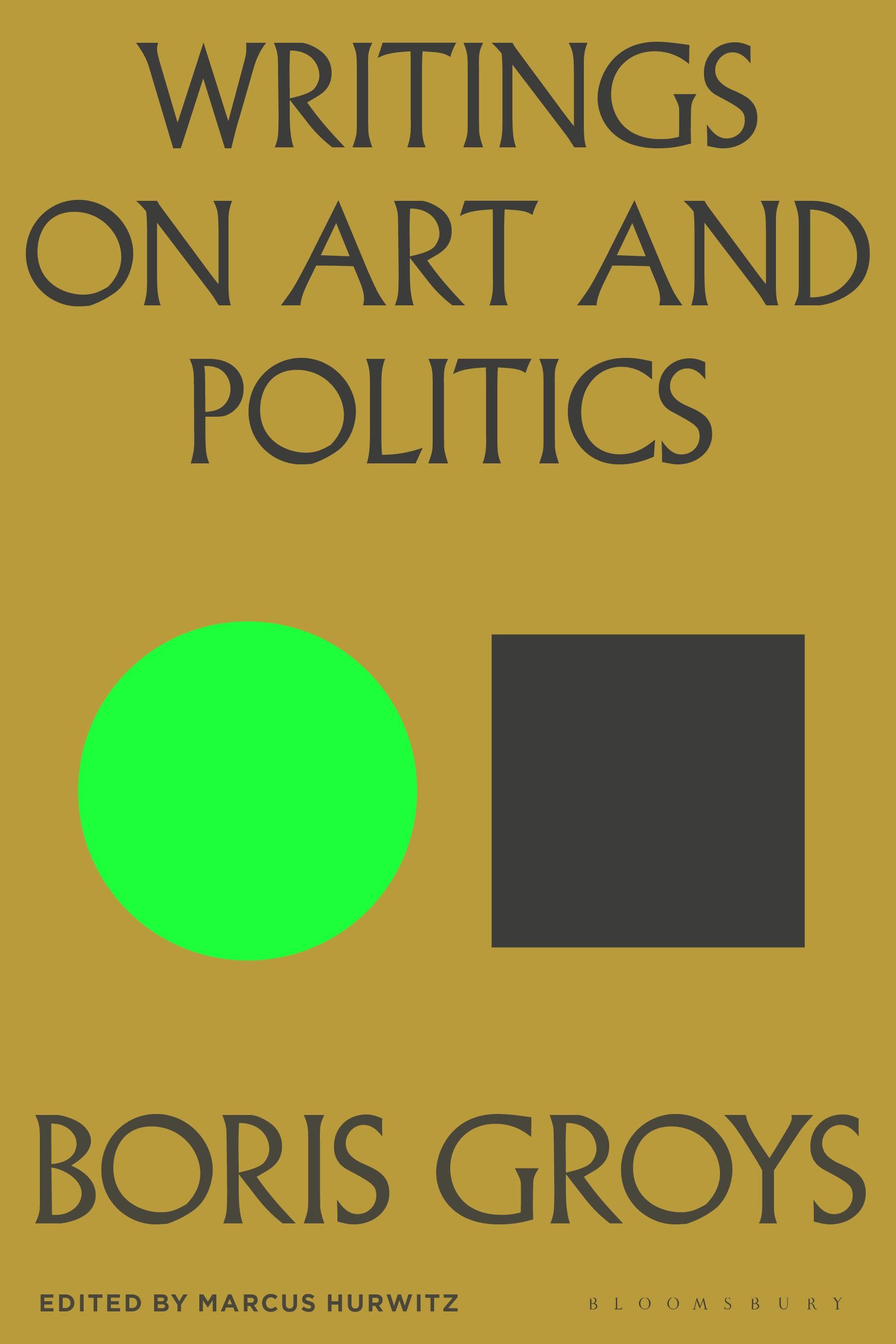
To the philosopher Boris Groys, everything technology produces in the modern world ultimately falls into two categories – it's art, or it's garbage. Both are useless, defunctionalized objects that simply lie there. The difference between them comes when we immunize art from the destructive power of time to which we devoutly deliver our garbage.
In this collection of essays and interviews, Groys expounds on these paradoxes, taking in art, the dialectic of work, the afterlife, politics, utopia, philosophy, faith, revolution, the avant-garde and digitalization. His philosophical writings critique the political economy of heterotopia, whereas his writings on art concern the things of the afterlife: only the politics of immortality promises salvation from the garbage pit.
Groys sees the history of class struggle as a history of aestheticization - defined by the forms spectators recognize as valuable enough to preserve, which they will fight to the death to preserve from disappearance and nonexistence. Western civilization's tendency to aestheticize politicizes everything. If we can design ourselves as artworks worthy of admiration and care, then can we too survive the ravages of time?
Bringing together previously unpublished texts, newly translated work and interviews, this is a coruscating trip through the complex and challenging philosophical and cultural problems that Boris Groys has made it his life's work to deal with.
In this collection of essays and interviews, Groys expounds on these paradoxes, taking in art, the dialectic of work, the afterlife, politics, utopia, philosophy, faith, revolution, the avant-garde and digitalization. His philosophical writings critique the political economy of heterotopia, whereas his writings on art concern the things of the afterlife: only the politics of immortality promises salvation from the garbage pit.
Groys sees the history of class struggle as a history of aestheticization - defined by the forms spectators recognize as valuable enough to preserve, which they will fight to the death to preserve from disappearance and nonexistence. Western civilization's tendency to aestheticize politicizes everything. If we can design ourselves as artworks worthy of admiration and care, then can we too survive the ravages of time?
Bringing together previously unpublished texts, newly translated work and interviews, this is a coruscating trip through the complex and challenging philosophical and cultural problems that Boris Groys has made it his life's work to deal with.
Płać wygodnie kartą, Klarną, Apple Pay lub Google Pay. Nie jesteś zadowolony? Zawsze masz 14-dniową gwarancję zwrotu pieniędzy. Więcej przeczytasz w naszych warunkach. Masz pytania? Napisz do nas na hello@memmo.org.
Memmo ułatwia naukę – gdziekolwiek jesteś na świecie. U nas znajdziesz podręczniki i sprytne narzędzia do nauki w jednym miejscu: streszczenia, quizy, podcasty i fiszki. A do tego Ted, Twój kumpel do nauki, który odpowie na wszystko, co Cię nurtuje. Ponad 50 000 studentów już tu się uczy – stworzone, byś uczył się szybciej i mniej stresował.