
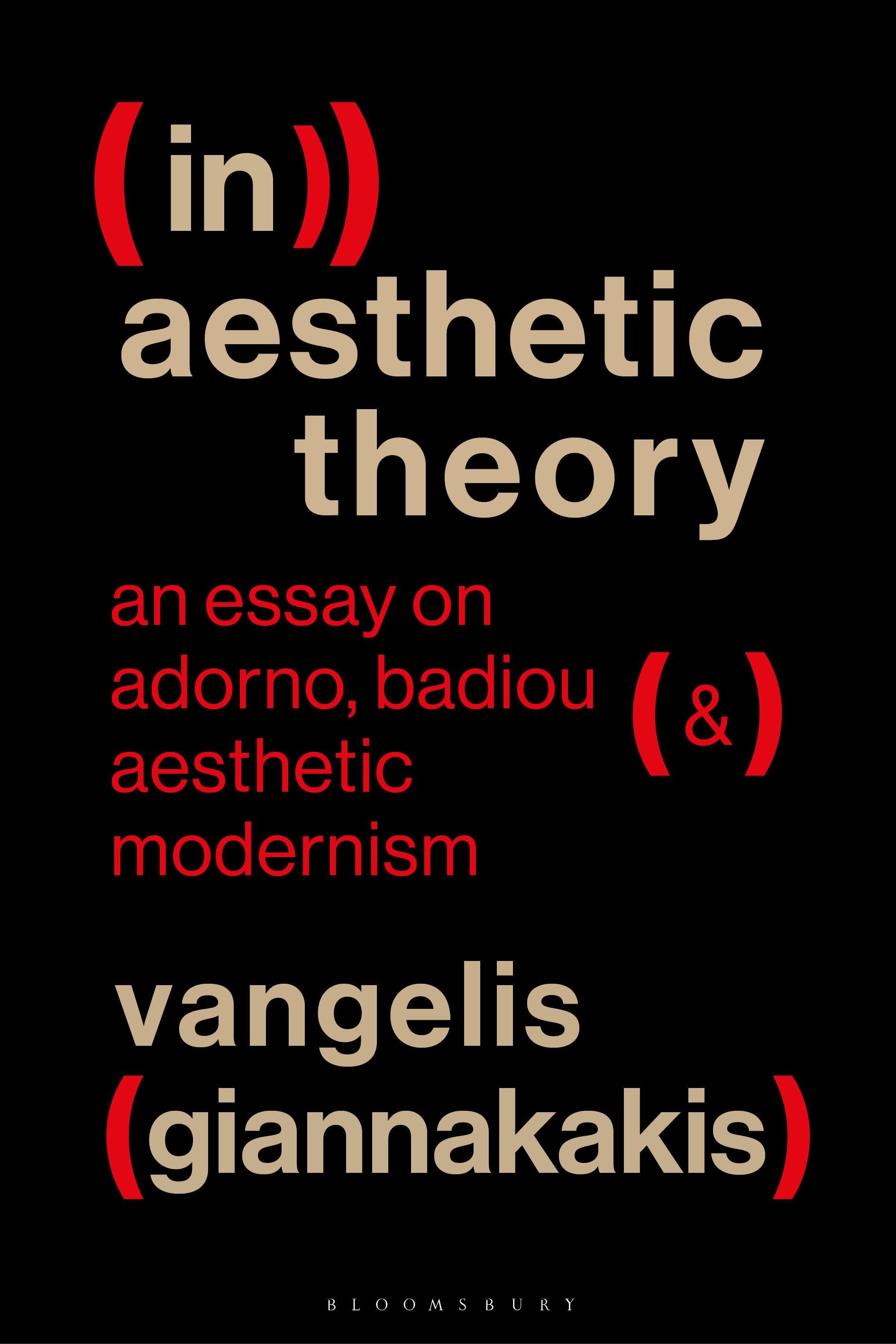
A reckoning with the radicalisation of modernist aesthetics that took hold in the mid-twentieth century, (In)aesthetic Theory illuminates the limits of aesthetic presentation by bringing Theodor Adorno and Alain Badiou's divergent philosophies of art into critical proximity.
Both theorists uncover moments in which art ceases to represent and begins to insist – where its truth is not stated outright but intimated in a gesture beyond the world as given. Their respective frameworks suggest that aesthetic experience can open an affective breach in which the reifying impulse of cognition is negated, and that which otherwise eludes the regime of established appearances is encountered obliquely. This shared structural insight anchors this book's central hypothesis: that art's power to produce truth lies precisely in this zone of interruption, of failure, of withdrawal, and vanishing intensity.
Combining original theory with historically grounded comparative commentary, the text reflects on presence and absence, history and memory, politics and art, entropy and decay. With it, Vangelis Giannakakis offers a vitally current interpretation of aesthetic modernism.
Both theorists uncover moments in which art ceases to represent and begins to insist – where its truth is not stated outright but intimated in a gesture beyond the world as given. Their respective frameworks suggest that aesthetic experience can open an affective breach in which the reifying impulse of cognition is negated, and that which otherwise eludes the regime of established appearances is encountered obliquely. This shared structural insight anchors this book's central hypothesis: that art's power to produce truth lies precisely in this zone of interruption, of failure, of withdrawal, and vanishing intensity.
Combining original theory with historically grounded comparative commentary, the text reflects on presence and absence, history and memory, politics and art, entropy and decay. With it, Vangelis Giannakakis offers a vitally current interpretation of aesthetic modernism.
Płać wygodnie kartą, Klarną, Apple Pay lub Google Pay. Nie jesteś zadowolony? Zawsze masz 14-dniową gwarancję zwrotu pieniędzy. Więcej przeczytasz w naszych warunkach. Masz pytania? Napisz do nas na hello@memmo.org.
Memmo ułatwia naukę – gdziekolwiek jesteś na świecie. U nas znajdziesz podręczniki i sprytne narzędzia do nauki w jednym miejscu: streszczenia, quizy, podcasty i fiszki. A do tego Ted, Twój kumpel do nauki, który odpowie na wszystko, co Cię nurtuje. Ponad 50 000 studentów już tu się uczy – stworzone, byś uczył się szybciej i mniej stresował.