
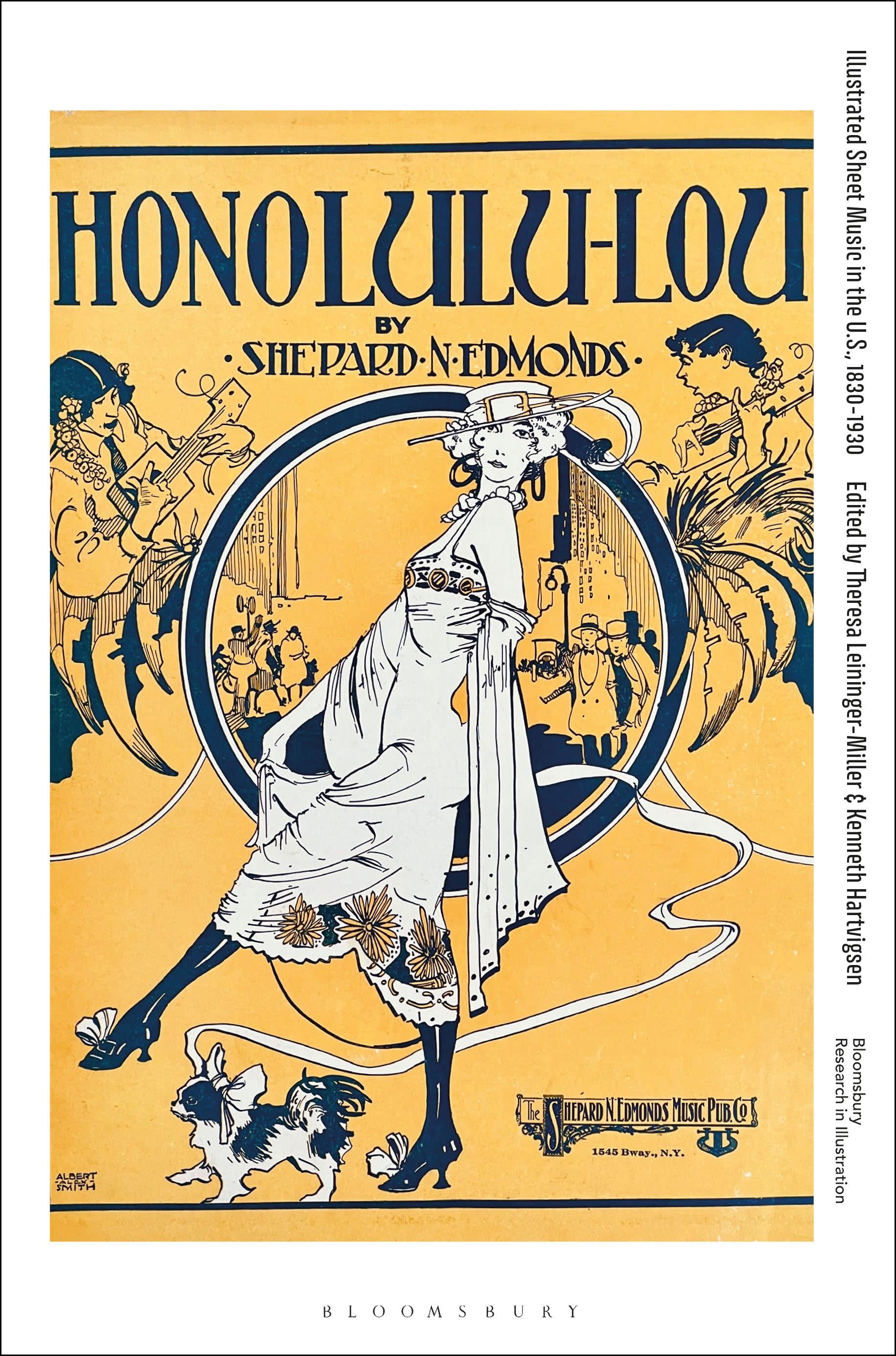
Illustrated sheet music was one of the most democratic forms of visual imagery in the U.S., owned by millions of Americans wooed by compelling lithographic covers, who displayed and performed compositions on home pianos.
Advancements in printing technologies in the 19th century, together with an emergent commercial system that facilitated the publication and broad distribution of popular music, led to a surge of elaborately illustrated sheet music. This book features essays by cutting-edge scholars who analyze the remarkable images that persuaded U.S. citizens to purchase mass-produced compositions for both personal and social pleasure. With some songs selling millions of copies as printed musical scores, music publishers commissioned artists to draw every conceivable subject as promotional illustrations, including genre scenes, portraits, political and historical events, sentimental allegories, flowers, landscapes, commercial buildings, and maritime views.
As ubiquitous and democratic material culture, this imagery affected ordinary people in far greater ways than unique objects, like paintings and sculpture, possibly could. The pictures, many in saturated color with bold graphics, still intrigue, amaze, and amuse viewers today with their originality, skill, and content.
Rooted in visual analysis, topics in this collection include perennially significant themes: race, ethnicity, gender, sexuality, class, politics, war, patriotism, propaganda, religion, transportation, regional centers of production, technology, Reconstruction, romance, and comedy, as well as bodies of work by specific illustrators and lithographic firms. In recognizing the role that individuals have played in preserving these remarkable objects, it also features interviews with enthusiasts who own two of the largest private collections of sheet music in the U.S.
Advancements in printing technologies in the 19th century, together with an emergent commercial system that facilitated the publication and broad distribution of popular music, led to a surge of elaborately illustrated sheet music. This book features essays by cutting-edge scholars who analyze the remarkable images that persuaded U.S. citizens to purchase mass-produced compositions for both personal and social pleasure. With some songs selling millions of copies as printed musical scores, music publishers commissioned artists to draw every conceivable subject as promotional illustrations, including genre scenes, portraits, political and historical events, sentimental allegories, flowers, landscapes, commercial buildings, and maritime views.
As ubiquitous and democratic material culture, this imagery affected ordinary people in far greater ways than unique objects, like paintings and sculpture, possibly could. The pictures, many in saturated color with bold graphics, still intrigue, amaze, and amuse viewers today with their originality, skill, and content.
Rooted in visual analysis, topics in this collection include perennially significant themes: race, ethnicity, gender, sexuality, class, politics, war, patriotism, propaganda, religion, transportation, regional centers of production, technology, Reconstruction, romance, and comedy, as well as bodies of work by specific illustrators and lithographic firms. In recognizing the role that individuals have played in preserving these remarkable objects, it also features interviews with enthusiasts who own two of the largest private collections of sheet music in the U.S.
Płać wygodnie kartą, Klarną, Apple Pay lub Google Pay. Nie jesteś zadowolony? Zawsze masz 14-dniową gwarancję zwrotu pieniędzy. Więcej przeczytasz w naszych warunkach. Masz pytania? Napisz do nas na hello@memmo.org.
Memmo ułatwia naukę – gdziekolwiek jesteś na świecie. U nas znajdziesz podręczniki i sprytne narzędzia do nauki w jednym miejscu: streszczenia, quizy, podcasty i fiszki. A do tego Ted, Twój kumpel do nauki, który odpowie na wszystko, co Cię nurtuje. Ponad 50 000 studentów już tu się uczy – stworzone, byś uczył się szybciej i mniej stresował.