
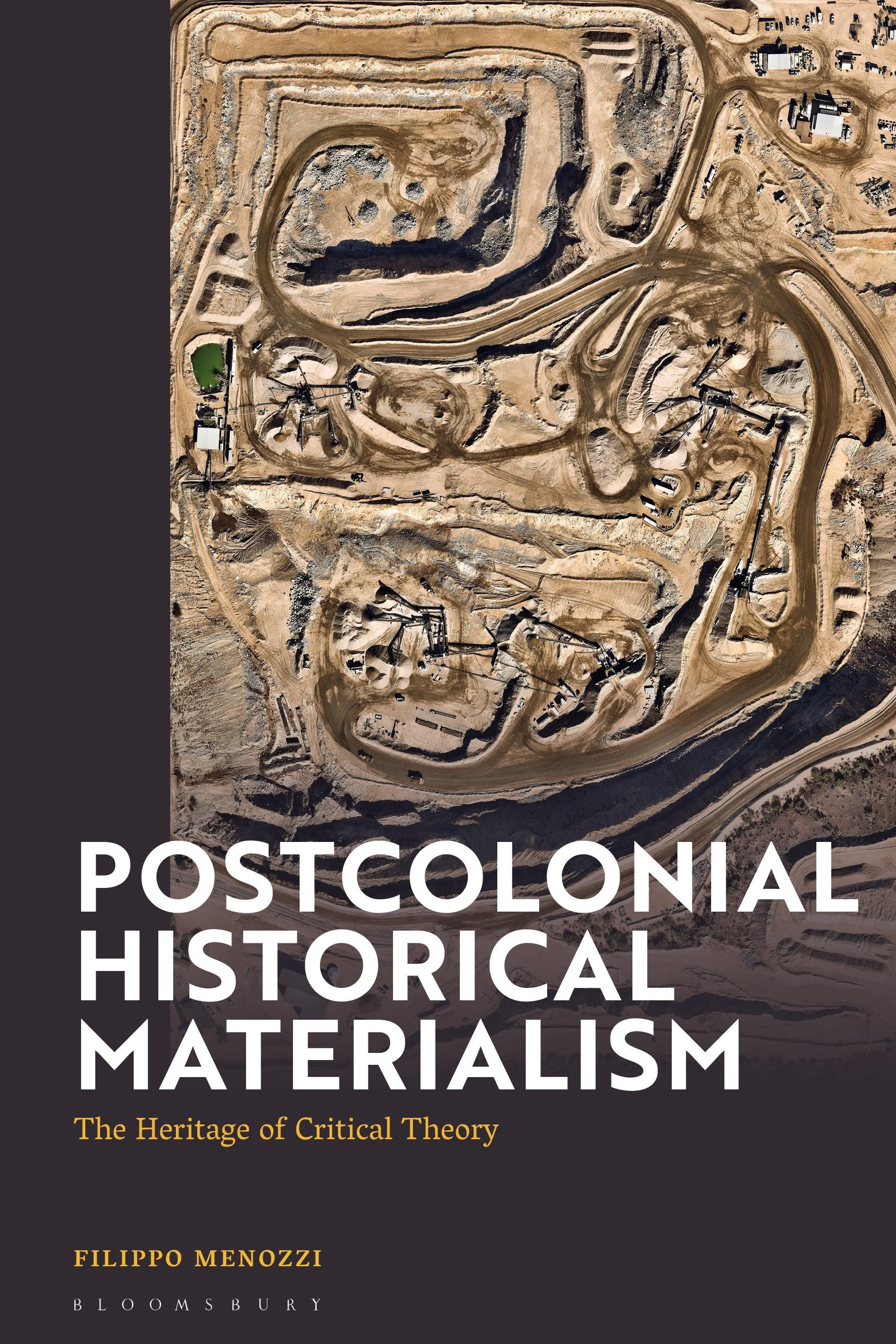
Through a reappraisal of the work of four major figures in critical theory – Ernst Bloch, Georg Lukács, Theodor Adorno, and Walter Benjamin – Filippo Menozzi rethinks the tradition of critical theory in relation to pressing concerns in postcolonial studies.
Revealing these authors' continued relevance to urgent issues in the 21st century, from struggles against racism to social movements and the transmutations of global capitalism, Menozzi reimagines them as central to an alternative genealogy of critical theory that moves beyond their European provenance and the limitations of “Western Marxism”. In doing so, this book challenges, more broadly, the view of critical theory as steeped in Eurocentrism, culturally conservative, and politically defeatist. Contesting this in four chapters, Postcolonial Historical Materialism inserts Adorno, Lukács, Bloch, and Benjamin into key contemporary sites of militancy and debate.
Engaging with a wide range of European and non-European sources, Menozzi proposes a new concept of “postcolonial historical materialism”, indicating how the heritage of critical theory can reopen global possibilities of utopia and revolution in a non-utopian age of global emergencies, social unrest, and the unfinished history of decolonisation.
Revealing these authors' continued relevance to urgent issues in the 21st century, from struggles against racism to social movements and the transmutations of global capitalism, Menozzi reimagines them as central to an alternative genealogy of critical theory that moves beyond their European provenance and the limitations of “Western Marxism”. In doing so, this book challenges, more broadly, the view of critical theory as steeped in Eurocentrism, culturally conservative, and politically defeatist. Contesting this in four chapters, Postcolonial Historical Materialism inserts Adorno, Lukács, Bloch, and Benjamin into key contemporary sites of militancy and debate.
Engaging with a wide range of European and non-European sources, Menozzi proposes a new concept of “postcolonial historical materialism”, indicating how the heritage of critical theory can reopen global possibilities of utopia and revolution in a non-utopian age of global emergencies, social unrest, and the unfinished history of decolonisation.
Płać wygodnie kartą, Klarną, Apple Pay lub Google Pay. Nie jesteś zadowolony? Zawsze masz 14-dniową gwarancję zwrotu pieniędzy. Więcej przeczytasz w naszych warunkach. Masz pytania? Napisz do nas na hello@memmo.org.
Memmo ułatwia naukę – gdziekolwiek jesteś na świecie. U nas znajdziesz podręczniki i sprytne narzędzia do nauki w jednym miejscu: streszczenia, quizy, podcasty i fiszki. A do tego Ted, Twój kumpel do nauki, który odpowie na wszystko, co Cię nurtuje. Ponad 50 000 studentów już tu się uczy – stworzone, byś uczył się szybciej i mniej stresował.