
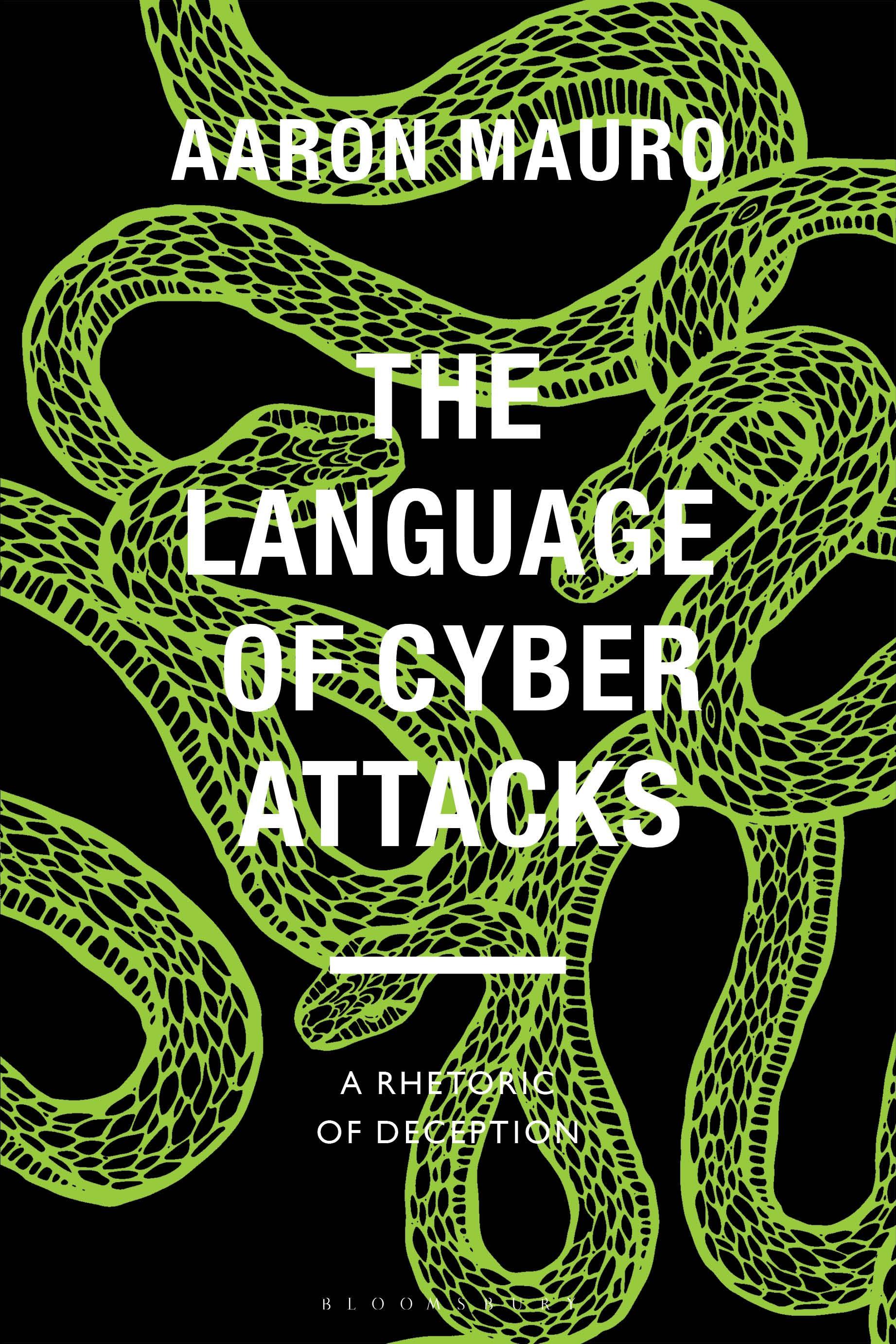
Many cyberattacks begin with a lure: a seemingly innocent message designed to establish trust with a target to obtain sensitive information or compromise a computer system. The perils of clicking an unknown link or divulging sensitive information via email are well-known, so why do we continue to fall prey to these malicious messages? This groundbreaking book examines the rhetoric of deception through the lure, asking where its all-too-human allure comes from and suggesting ways in which we can protect ourselves online.
Examining practices and tools such as phishing, ransomware and clickbait, this book uses case studies of notorious cyberattacks by both cyber criminals and nation-states on organizations such Facebook, Google, and the US Department of Defence, and in-depth, computational analyses of the messages themselves to unpack the rhetoric of cyberattacks. In doing so, it helps us to understand the small but crucial moments of indecision that pervade one of the most common forms of written communication.
Examining practices and tools such as phishing, ransomware and clickbait, this book uses case studies of notorious cyberattacks by both cyber criminals and nation-states on organizations such Facebook, Google, and the US Department of Defence, and in-depth, computational analyses of the messages themselves to unpack the rhetoric of cyberattacks. In doing so, it helps us to understand the small but crucial moments of indecision that pervade one of the most common forms of written communication.
Płać wygodnie kartą, Klarną, Apple Pay lub Google Pay. Nie jesteś zadowolony? Zawsze masz 14-dniową gwarancję zwrotu pieniędzy. Więcej przeczytasz w naszych warunkach. Masz pytania? Napisz do nas na hello@memmo.org.
Memmo ułatwia naukę – gdziekolwiek jesteś na świecie. U nas znajdziesz podręczniki i sprytne narzędzia do nauki w jednym miejscu: streszczenia, quizy, podcasty i fiszki. A do tego Ted, Twój kumpel do nauki, który odpowie na wszystko, co Cię nurtuje. Ponad 50 000 studentów już tu się uczy – stworzone, byś uczył się szybciej i mniej stresował.