
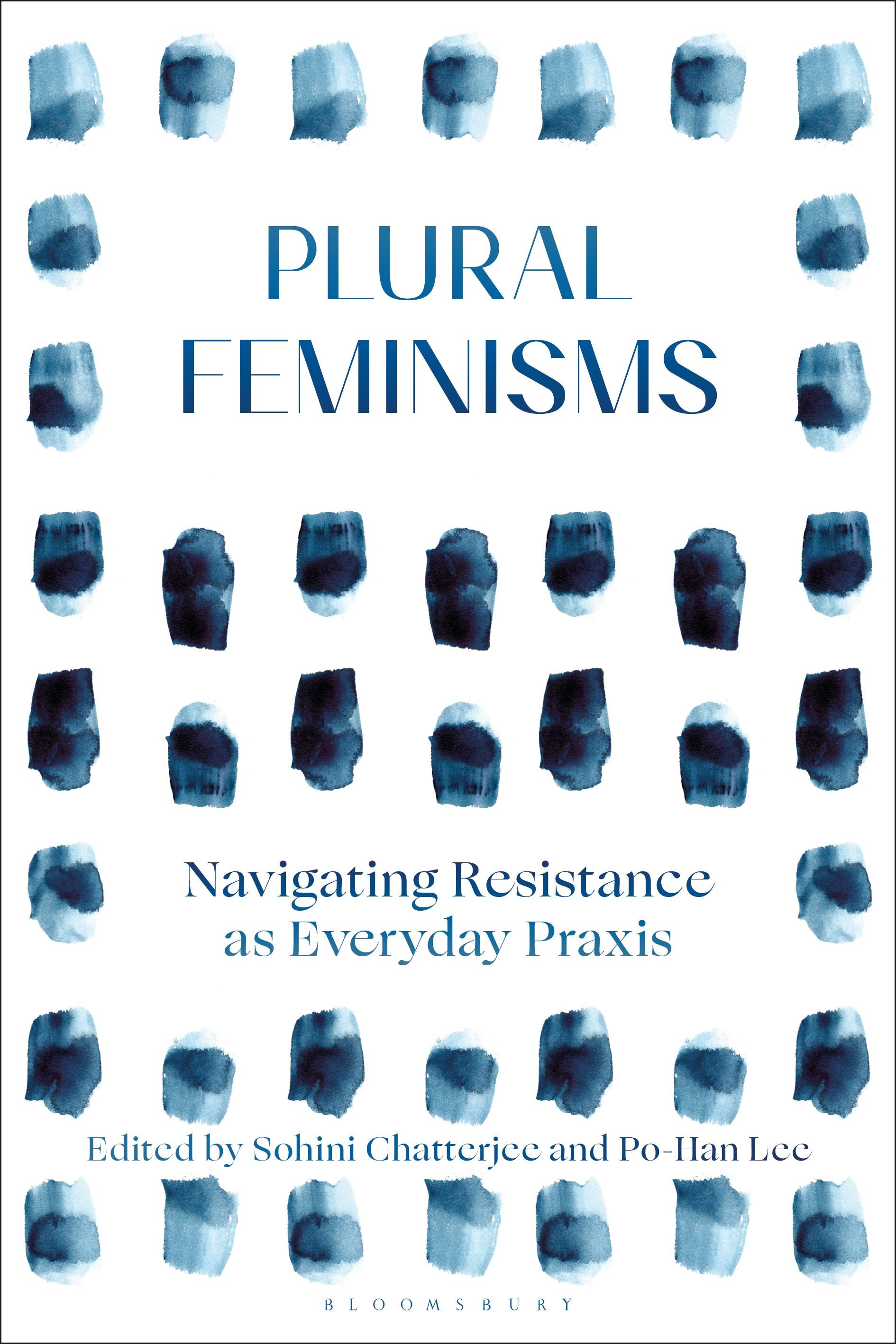
Drawing on different understandings of feminisms, this volume archives the ways in which we engage with feminisms and imagine the mundane as a feminist site of resistance against multiple and intersectional marginalisation and oppression. How individual subjects come to their feminist praxis through autoethnographic and other qualitative accounts, and how they offer resistant and decolonial strategies via reflection on their lived and embodied realities.
Plural Feminisms spurs a discussion on how structural violence is identified and resisted, and the invisible and emotional labour that goes on behind this resistance. The book documents the resistance strategies feminists employ on a daily basis to survive, and to form and sustain dissident kinships, that remain unread, unheard, overlooked, and excluded from dominant discourses of being and becoming. Through autoethnography, feminist, queer and/or trans and genderqueer, indigenous, Black and racialised, disabled and neurodivergent scholars in the academy reflect on their engagement with feminisms as well as their unique resistance methods-embracing and exploring complexities and challenges that both entail. It foregrounds the critical importance of first-person narratives in developing an expansive understanding of what it means to be a feminist, the different narratives and forms that resistance takes, and the socio-cultural value of subversion.
Plural Feminisms spurs a discussion on how structural violence is identified and resisted, and the invisible and emotional labour that goes on behind this resistance. The book documents the resistance strategies feminists employ on a daily basis to survive, and to form and sustain dissident kinships, that remain unread, unheard, overlooked, and excluded from dominant discourses of being and becoming. Through autoethnography, feminist, queer and/or trans and genderqueer, indigenous, Black and racialised, disabled and neurodivergent scholars in the academy reflect on their engagement with feminisms as well as their unique resistance methods-embracing and exploring complexities and challenges that both entail. It foregrounds the critical importance of first-person narratives in developing an expansive understanding of what it means to be a feminist, the different narratives and forms that resistance takes, and the socio-cultural value of subversion.
Płać wygodnie kartą, Klarną, Apple Pay lub Google Pay. Nie jesteś zadowolony? Zawsze masz 14-dniową gwarancję zwrotu pieniędzy. Więcej przeczytasz w naszych warunkach. Masz pytania? Napisz do nas na hello@memmo.org.
Memmo ułatwia naukę – gdziekolwiek jesteś na świecie. U nas znajdziesz podręczniki i sprytne narzędzia do nauki w jednym miejscu: streszczenia, quizy, podcasty i fiszki. A do tego Ted, Twój kumpel do nauki, który odpowie na wszystko, co Cię nurtuje. Ponad 50 000 studentów już tu się uczy – stworzone, byś uczył się szybciej i mniej stresował.