
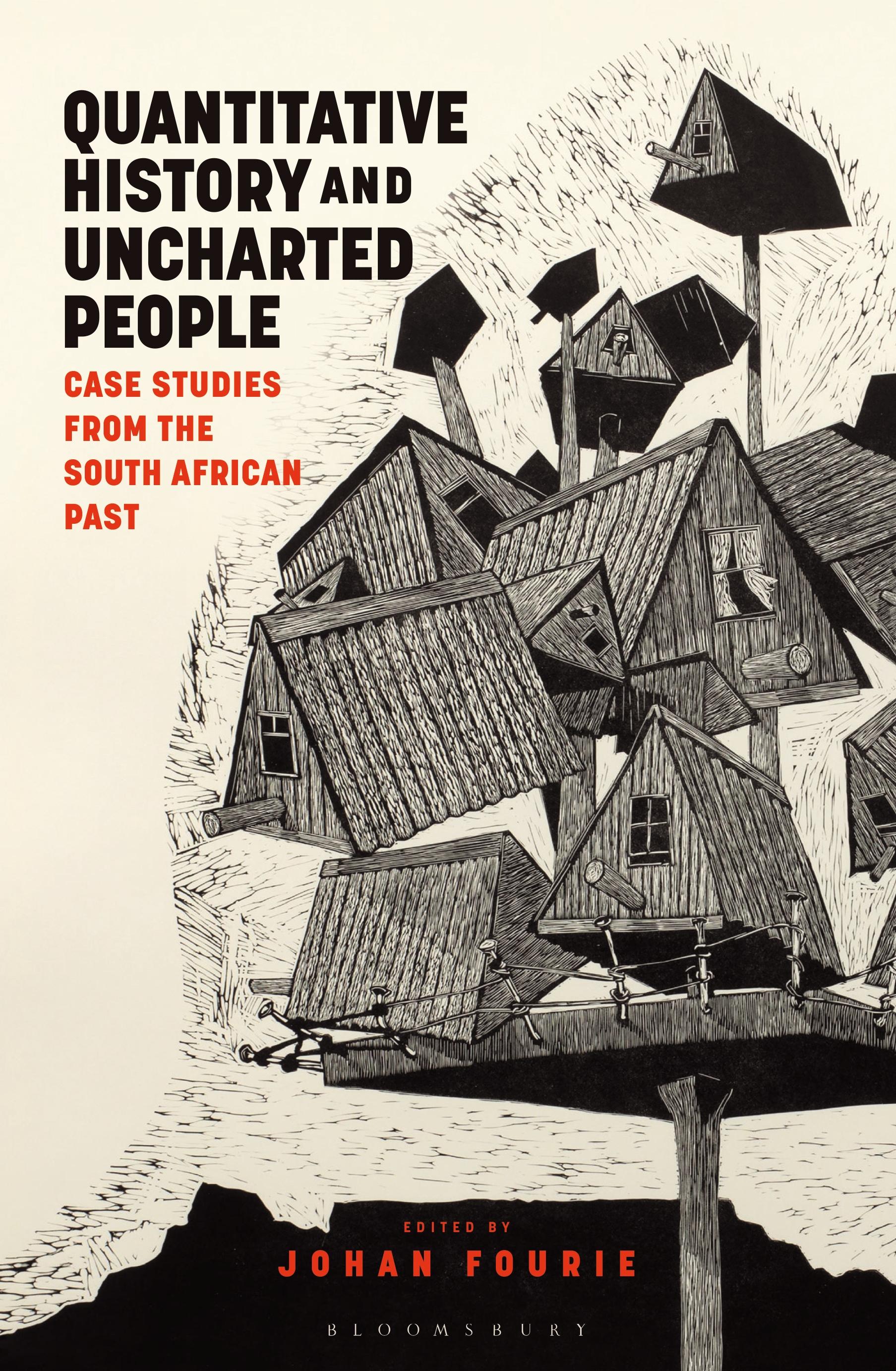
One of the biggest challenges in the study of history is the unreliable nature of traditional archival sources which omit histories of marginalised groups. This book makes the case that quantitative history offers a way to fill these gaps in the archive.
Showcasing 13 case studies from the South African past, it applies quantitative sources, tools and methods to social histories from below to uncover the experiences of unchartered peoples. Examining the occupations of slaves, victims of the Spanish flu, health of schoolchildren and more, it shows how quantitative tools can be particularly powerful in regions where historical records are preserved, but questions of bias and prejudice pervade. Applying methods such as GIS mapping, network analysis and algorithmic matching techniques it explores histories of indigenous peoples, women, enslaved peoples and other groups marginalised in South African history.
Connecting quantitative sources and new forms of data interpretation with a narrative social history, this book offers a fresh approach to quantitative methods and shows how they can be used to achieve a more complete picture of the past.
Showcasing 13 case studies from the South African past, it applies quantitative sources, tools and methods to social histories from below to uncover the experiences of unchartered peoples. Examining the occupations of slaves, victims of the Spanish flu, health of schoolchildren and more, it shows how quantitative tools can be particularly powerful in regions where historical records are preserved, but questions of bias and prejudice pervade. Applying methods such as GIS mapping, network analysis and algorithmic matching techniques it explores histories of indigenous peoples, women, enslaved peoples and other groups marginalised in South African history.
Connecting quantitative sources and new forms of data interpretation with a narrative social history, this book offers a fresh approach to quantitative methods and shows how they can be used to achieve a more complete picture of the past.
Płać wygodnie kartą, Klarną, Apple Pay lub Google Pay. Nie jesteś zadowolony? Zawsze masz 14-dniową gwarancję zwrotu pieniędzy. Więcej przeczytasz w naszych warunkach. Masz pytania? Napisz do nas na hello@memmo.org.
Memmo ułatwia naukę – gdziekolwiek jesteś na świecie. U nas znajdziesz podręczniki i sprytne narzędzia do nauki w jednym miejscu: streszczenia, quizy, podcasty i fiszki. A do tego Ted, Twój kumpel do nauki, który odpowie na wszystko, co Cię nurtuje. Ponad 50 000 studentów już tu się uczy – stworzone, byś uczył się szybciej i mniej stresował.