
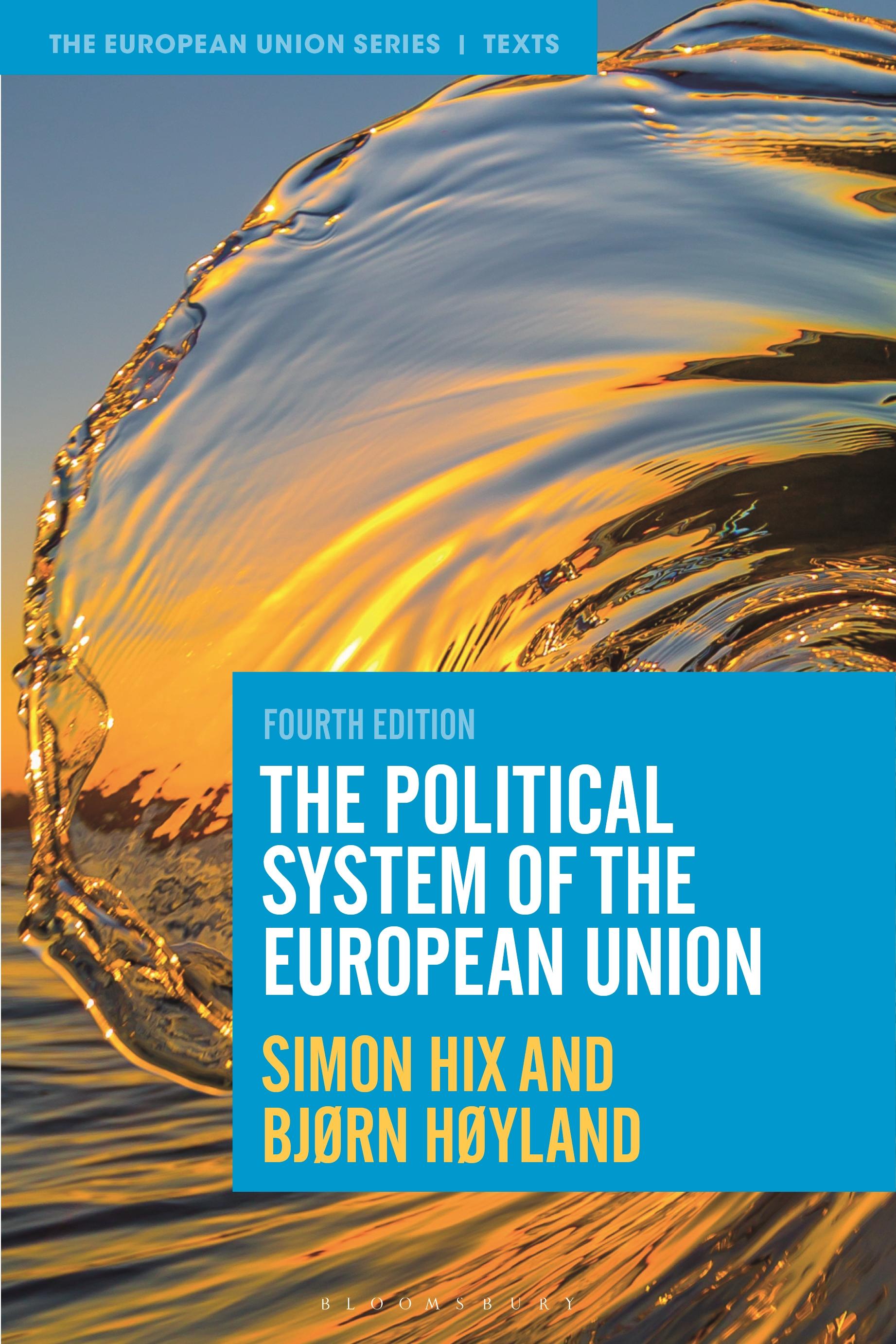
Starting from the observation that the European Union now possesses many of the attributes of modern political systems, Hix and Høyland take an innovative approach to analysing, researching and teaching the EU. Using the general theories of political science to understand how the EU works, this text covers each of the main processes in the EU political system - executive, legislative and judicial politics, public opinion, interest groups and democracy, and regulatory, monetary and foreign policies - introducing the key political science tools, reviewing the relevant theories, and applying the knowledge in detailed descriptive analysis.
As well as incorporating new data and the latest research, this new edition examines the consequences of the dramatic political and policy developments in the EU over the past decade.
The methodology used in the text makes the political system of the EU accessible to political science students as a whole, as well as those specifically studying and researching the EU.
As well as incorporating new data and the latest research, this new edition examines the consequences of the dramatic political and policy developments in the EU over the past decade.
The methodology used in the text makes the political system of the EU accessible to political science students as a whole, as well as those specifically studying and researching the EU.
Płać wygodnie kartą, Klarną, Apple Pay lub Google Pay. Nie jesteś zadowolony? Zawsze masz 14-dniową gwarancję zwrotu pieniędzy. Więcej przeczytasz w naszych warunkach. Masz pytania? Napisz do nas na hello@memmo.org.
Memmo ułatwia naukę – gdziekolwiek jesteś na świecie. U nas znajdziesz podręczniki i sprytne narzędzia do nauki w jednym miejscu: streszczenia, quizy, podcasty i fiszki. A do tego Ted, Twój kumpel do nauki, który odpowie na wszystko, co Cię nurtuje. Ponad 50 000 studentów już tu się uczy – stworzone, byś uczył się szybciej i mniej stresował.