
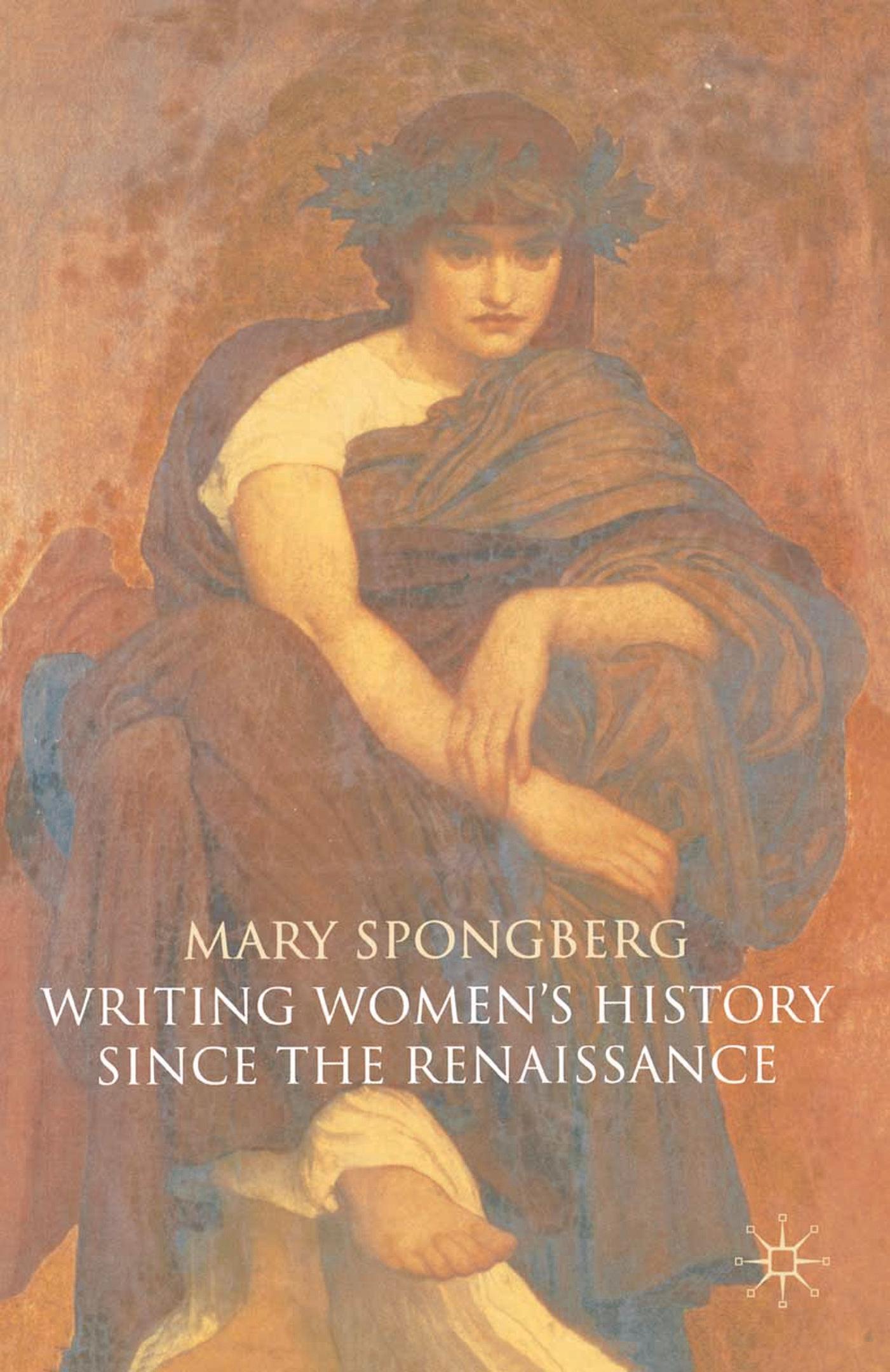
The complaint of Catherine Morland in Jane Austen's Northanger Abbey, that history has 'hardly any women at all' is not an uncommon one. Yet there is evidence to suggest that women have engaged in historical writing since ancient times.
This study traces the history of women's historical writing, reclaiming the lives of individual women historians, recovering women's historical writings from the past and focusing on how gender has shaped the genre of history. Mary Spongberg brings together for the first time an extensive survey of the progress of women's historical writing from the Renaissance to the present, demonstrating the continuities between women's historical writings in the past and the development of a distinctly woman-centred historiography.
Writing Women's History since the Renaissance also examines the relationship between women's history and the development of feminist consciousness, suggesting that the study of history has alerted women to their unequal status and enabled them to use history to achieve women's rights. Whether feminist or anti-feminist, women who have had their historical writings published have served as role models for women seeking a voice in the public sphere and have been instrumental in encouraging the growth of a feminist discourse.
This study traces the history of women's historical writing, reclaiming the lives of individual women historians, recovering women's historical writings from the past and focusing on how gender has shaped the genre of history. Mary Spongberg brings together for the first time an extensive survey of the progress of women's historical writing from the Renaissance to the present, demonstrating the continuities between women's historical writings in the past and the development of a distinctly woman-centred historiography.
Writing Women's History since the Renaissance also examines the relationship between women's history and the development of feminist consciousness, suggesting that the study of history has alerted women to their unequal status and enabled them to use history to achieve women's rights. Whether feminist or anti-feminist, women who have had their historical writings published have served as role models for women seeking a voice in the public sphere and have been instrumental in encouraging the growth of a feminist discourse.
Płać wygodnie kartą, Klarną, Apple Pay lub Google Pay. Nie jesteś zadowolony? Zawsze masz 14-dniową gwarancję zwrotu pieniędzy. Więcej przeczytasz w naszych warunkach. Masz pytania? Napisz do nas na hello@memmo.org.
Memmo ułatwia naukę – gdziekolwiek jesteś na świecie. U nas znajdziesz podręczniki i sprytne narzędzia do nauki w jednym miejscu: streszczenia, quizy, podcasty i fiszki. A do tego Ted, Twój kumpel do nauki, który odpowie na wszystko, co Cię nurtuje. Ponad 50 000 studentów już tu się uczy – stworzone, byś uczył się szybciej i mniej stresował.