
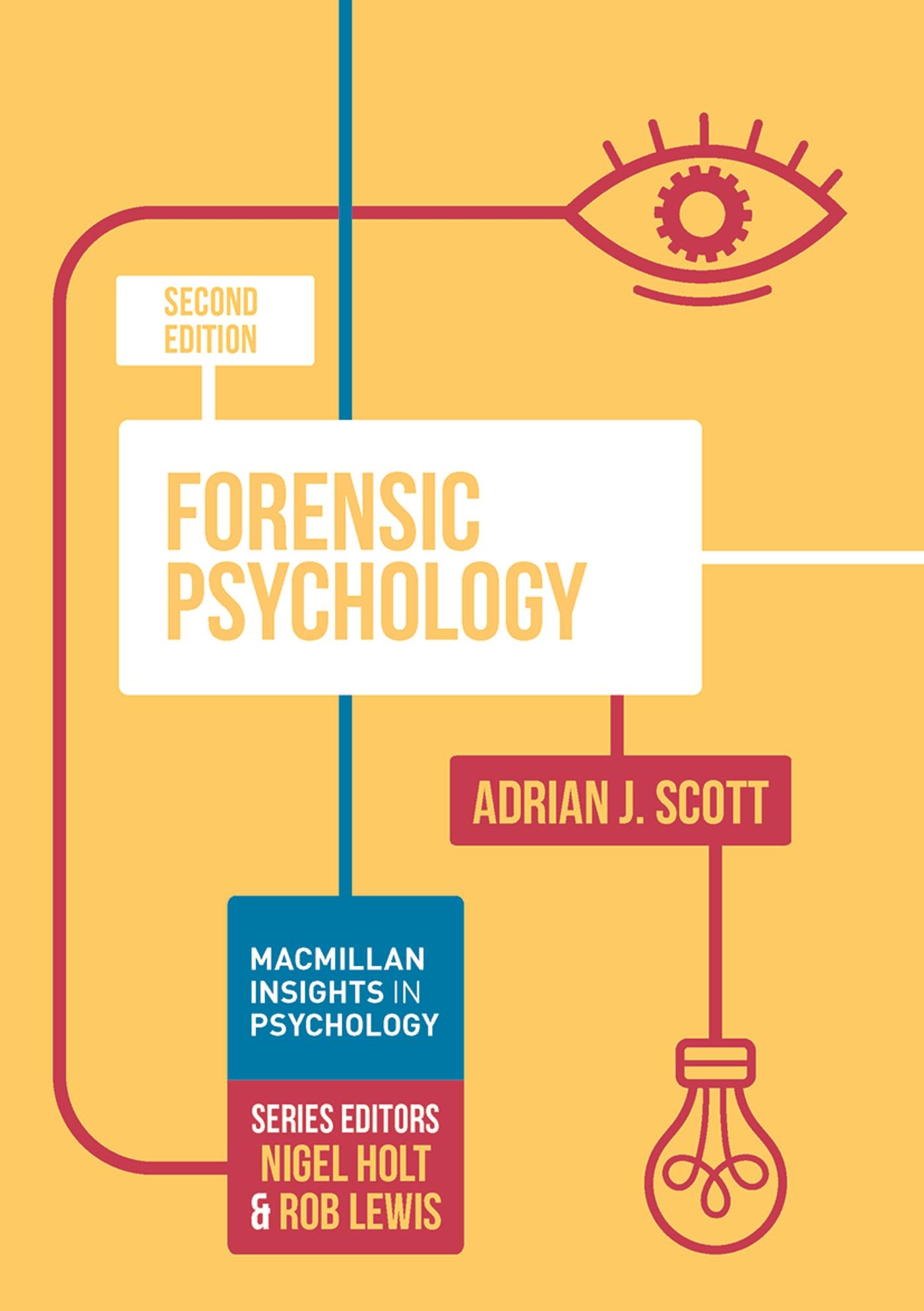
Why do people commit crime? How effective and reliable is the investigative process? How do jurors decide whether a person is guilty or innocent? How effective is treatment in reducing the risk of reoffending?
In this up-to-date edition of his highly informative textbook, Adrian Scott reveals just how much forensic psychology can tell us - not only about offenders and their crimes, but also about the different stages of the criminal justice system.
Covering social, psychological, biological and cognitive theories of crime, as well as research and theory relating to the investigative process, the courtroom and the penal system, this book provides in-depth coverage of the major areas within forensic psychology. It is essential reading for curious students seeking an engaging and accessible introduction to this fascinating topic.
In this up-to-date edition of his highly informative textbook, Adrian Scott reveals just how much forensic psychology can tell us - not only about offenders and their crimes, but also about the different stages of the criminal justice system.
Covering social, psychological, biological and cognitive theories of crime, as well as research and theory relating to the investigative process, the courtroom and the penal system, this book provides in-depth coverage of the major areas within forensic psychology. It is essential reading for curious students seeking an engaging and accessible introduction to this fascinating topic.
Płać wygodnie kartą, Klarną, Apple Pay lub Google Pay. Nie jesteś zadowolony? Zawsze masz 14-dniową gwarancję zwrotu pieniędzy. Więcej przeczytasz w naszych warunkach. Masz pytania? Napisz do nas na hello@memmo.org.
Memmo ułatwia naukę – gdziekolwiek jesteś na świecie. U nas znajdziesz podręczniki i sprytne narzędzia do nauki w jednym miejscu: streszczenia, quizy, podcasty i fiszki. A do tego Ted, Twój kumpel do nauki, który odpowie na wszystko, co Cię nurtuje. Ponad 50 000 studentów już tu się uczy – stworzone, byś uczył się szybciej i mniej stresował.