
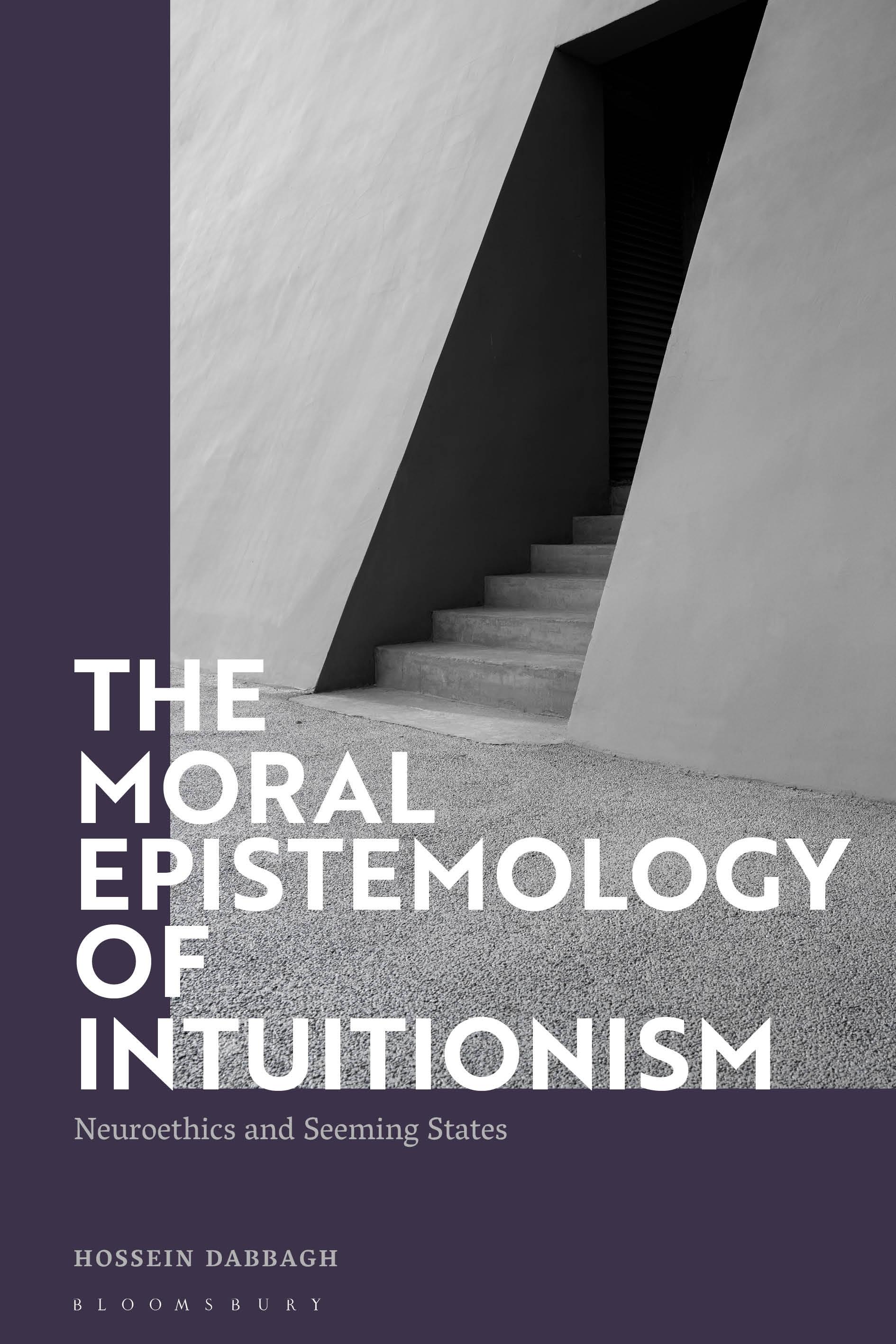
Covering moral intuition, self-evidence, non-inferentiality, moral emotion and seeming states, Hossein Dabbagh defends the epistemology of moral intuitionism.
His line of analysis resists the empirical challenges derived from empirical moral psychology and reveals the seeming-based account of moral intuitionism as the most tenable one. The Moral Epistemology of Intuitionism combines epistemological intuitionism with work in neuroethics to develop an account of the role that moral intuition and emotion play in moral judgment. The book culminates in a convincing argument about the value of understanding moral intuitionism in terms of intellectual seeming and perceptual experience.
His line of analysis resists the empirical challenges derived from empirical moral psychology and reveals the seeming-based account of moral intuitionism as the most tenable one. The Moral Epistemology of Intuitionism combines epistemological intuitionism with work in neuroethics to develop an account of the role that moral intuition and emotion play in moral judgment. The book culminates in a convincing argument about the value of understanding moral intuitionism in terms of intellectual seeming and perceptual experience.
Płać wygodnie kartą, Klarną, Apple Pay lub Google Pay. Nie jesteś zadowolony? Zawsze masz 14-dniową gwarancję zwrotu pieniędzy. Więcej przeczytasz w naszych warunkach. Masz pytania? Napisz do nas na hello@memmo.org.
Memmo ułatwia naukę – gdziekolwiek jesteś na świecie. U nas znajdziesz podręczniki i sprytne narzędzia do nauki w jednym miejscu: streszczenia, quizy, podcasty i fiszki. A do tego Ted, Twój kumpel do nauki, który odpowie na wszystko, co Cię nurtuje. Ponad 50 000 studentów już tu się uczy – stworzone, byś uczył się szybciej i mniej stresował.