
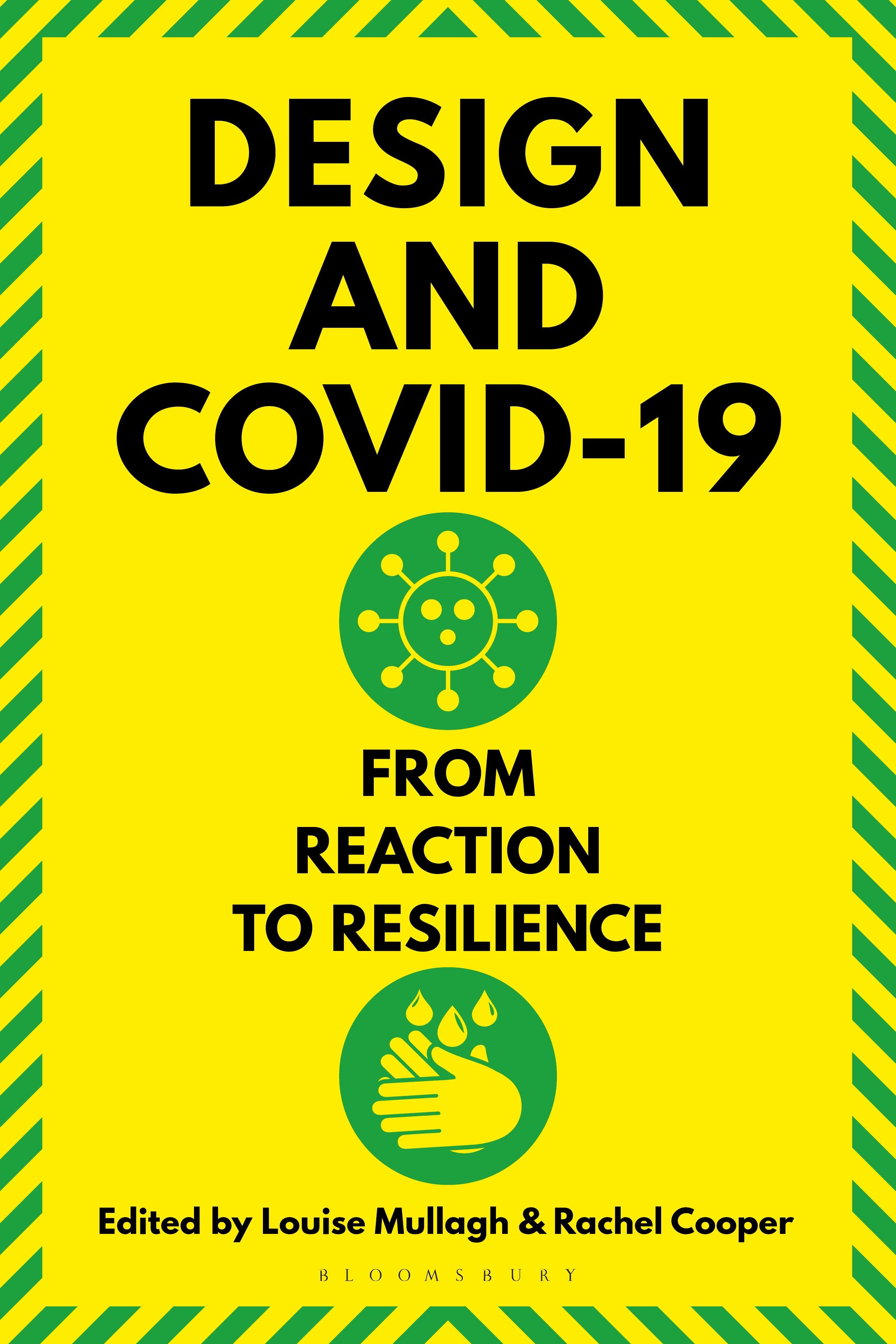
Presenting key examples and case studies of how design has responded to the pandemic, Design and Covid-19 offers lessons and approaches to design for future resilience.
Design has a key role to play in not only creating products to ensure safety from the pandemic, but also in the creation of complex systems, new technologies and physical environments that enable us to carry out our lives and protect populations in the future. Design and Covid-19 identifies four key phases of the pandemic to examine how designers developed systems, services, communications and products as part of our response to the crisis, whether at an international, national or community level. Contributors report from a range of international contexts, including countries in Europe, Asia, Africa and Australasia, detailing how countries responded to the pandemic, introduced social distancing and lockdowns, developed test, track and trace systems, implemented new laws and how design and designers responded to the urgent new challenges that the pandemic created. They explore the adaptation of designs as communities searched for new ways of connecting and working through restrictions and social distancing measures, establishing local mutual aid groups and using social media to support each other through the pandemic, and go on to focus on recovery and resilience, analysing the deeper, systemic design response as industries emerge from lockdown. They explore the need to reflect on and investigate key issues in order to understand what we can learn personally, socially, economically and globally from this unprecedented crisis.
Drawing upon the expertise of scholars from across the globe, Design and Covid-19 explores a wide range of design disciplines to address the complex societal and global issues highlighted throughout the pandemic, and to inform new ways of building human and planetary wellbeing.
Design has a key role to play in not only creating products to ensure safety from the pandemic, but also in the creation of complex systems, new technologies and physical environments that enable us to carry out our lives and protect populations in the future. Design and Covid-19 identifies four key phases of the pandemic to examine how designers developed systems, services, communications and products as part of our response to the crisis, whether at an international, national or community level. Contributors report from a range of international contexts, including countries in Europe, Asia, Africa and Australasia, detailing how countries responded to the pandemic, introduced social distancing and lockdowns, developed test, track and trace systems, implemented new laws and how design and designers responded to the urgent new challenges that the pandemic created. They explore the adaptation of designs as communities searched for new ways of connecting and working through restrictions and social distancing measures, establishing local mutual aid groups and using social media to support each other through the pandemic, and go on to focus on recovery and resilience, analysing the deeper, systemic design response as industries emerge from lockdown. They explore the need to reflect on and investigate key issues in order to understand what we can learn personally, socially, economically and globally from this unprecedented crisis.
Drawing upon the expertise of scholars from across the globe, Design and Covid-19 explores a wide range of design disciplines to address the complex societal and global issues highlighted throughout the pandemic, and to inform new ways of building human and planetary wellbeing.
Płać wygodnie kartą, Klarną, Apple Pay lub Google Pay. Nie jesteś zadowolony? Zawsze masz 14-dniową gwarancję zwrotu pieniędzy. Więcej przeczytasz w naszych warunkach. Masz pytania? Napisz do nas na hello@memmo.org.
Memmo ułatwia naukę – gdziekolwiek jesteś na świecie. U nas znajdziesz podręczniki i sprytne narzędzia do nauki w jednym miejscu: streszczenia, quizy, podcasty i fiszki. A do tego Ted, Twój kumpel do nauki, który odpowie na wszystko, co Cię nurtuje. Ponad 50 000 studentów już tu się uczy – stworzone, byś uczył się szybciej i mniej stresował.