
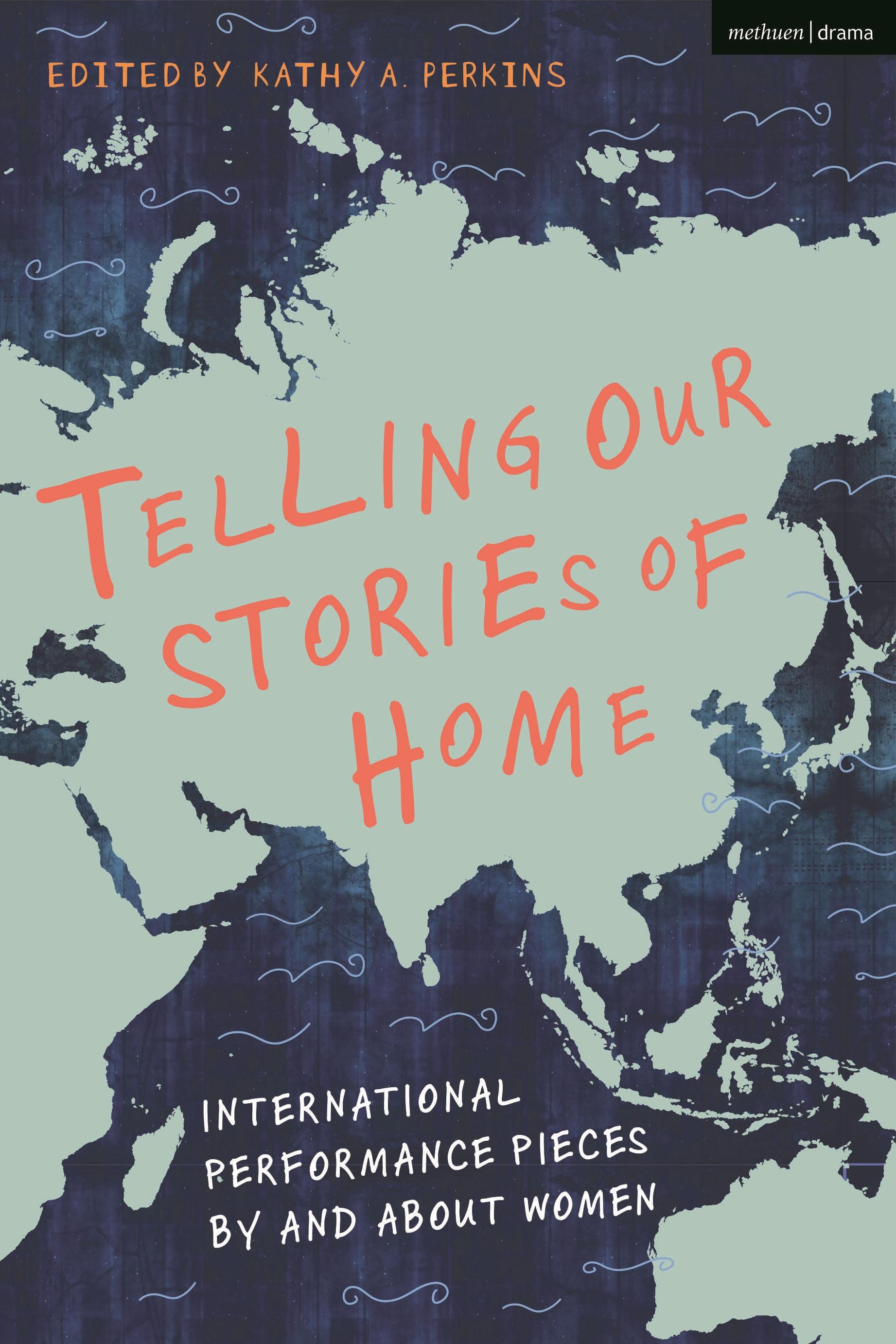
What is home? The answer seems obvious. But Telling Our Stories of Home, an international collection of eleven plays by and about women from Lebanon, Haiti, Venezuela, Uganda, Palestine, Brazil, India, UK, and the US, complicates the answer.
The "answer" includes stories as far-ranging as: enslaved women trying to create a home, one by any means necessary, and one in the ocean; siblings wrestling with their differing devotion to home after their mother's death; a family wrestling with the government's refusal to allow the burial of their soldier-son in their hometown; a young scholar attempting to feel at home after studying abroad; a young man fleeing home due to his sexual orientation only to discover the difficulty of creating home elsewhere, and Siddis (Indians of African descent) continuing to struggle for acceptance despite having lived in India for over 600 years.
These are voices seldom represented to a larger audience. The plays and performance pieces range from 20 to 90-minute pieces and include a mix of monologue, duologue, and ensemble plays. Short yet powerful, they allow fantastic performance opportunities particularly in an age of social-distancing with flexible casts that together invite the theme of home to be performed and studied on the page.
The plays include: The House by Arzé Khodr (Lebanon), Happy by Kia Corthron (US), The Blue of the Island by Évelyne Trouillot (Haiti), Nine Lives by Zodwa Nyoni (UK), Leaving, but Can't Let Go by Lupe Gehrenbeck (Venezuela), Questions of Home by Doreen Baingana (Uganda), On the Last Day of Spring by Fidaa Zidan (Palestine) Letting Go and Moving On by Louella Dizon San Juan (US), Antimemories of an Interrupted Trip by Aldri Anunciação (Brazil), So Goes We by Jacqueline E. Lawton (US), and Those Who Live Here, Those Who Live There by Geeta P. Siddi and Girija P. Siddi (India)
The "answer" includes stories as far-ranging as: enslaved women trying to create a home, one by any means necessary, and one in the ocean; siblings wrestling with their differing devotion to home after their mother's death; a family wrestling with the government's refusal to allow the burial of their soldier-son in their hometown; a young scholar attempting to feel at home after studying abroad; a young man fleeing home due to his sexual orientation only to discover the difficulty of creating home elsewhere, and Siddis (Indians of African descent) continuing to struggle for acceptance despite having lived in India for over 600 years.
These are voices seldom represented to a larger audience. The plays and performance pieces range from 20 to 90-minute pieces and include a mix of monologue, duologue, and ensemble plays. Short yet powerful, they allow fantastic performance opportunities particularly in an age of social-distancing with flexible casts that together invite the theme of home to be performed and studied on the page.
The plays include: The House by Arzé Khodr (Lebanon), Happy by Kia Corthron (US), The Blue of the Island by Évelyne Trouillot (Haiti), Nine Lives by Zodwa Nyoni (UK), Leaving, but Can't Let Go by Lupe Gehrenbeck (Venezuela), Questions of Home by Doreen Baingana (Uganda), On the Last Day of Spring by Fidaa Zidan (Palestine) Letting Go and Moving On by Louella Dizon San Juan (US), Antimemories of an Interrupted Trip by Aldri Anunciação (Brazil), So Goes We by Jacqueline E. Lawton (US), and Those Who Live Here, Those Who Live There by Geeta P. Siddi and Girija P. Siddi (India)
Płać wygodnie kartą, Klarną, Apple Pay lub Google Pay. Nie jesteś zadowolony? Zawsze masz 14-dniową gwarancję zwrotu pieniędzy. Więcej przeczytasz w naszych warunkach. Masz pytania? Napisz do nas na hello@memmo.org.
Memmo ułatwia naukę – gdziekolwiek jesteś na świecie. U nas znajdziesz podręczniki i sprytne narzędzia do nauki w jednym miejscu: streszczenia, quizy, podcasty i fiszki. A do tego Ted, Twój kumpel do nauki, który odpowie na wszystko, co Cię nurtuje. Ponad 50 000 studentów już tu się uczy – stworzone, byś uczył się szybciej i mniej stresował.