
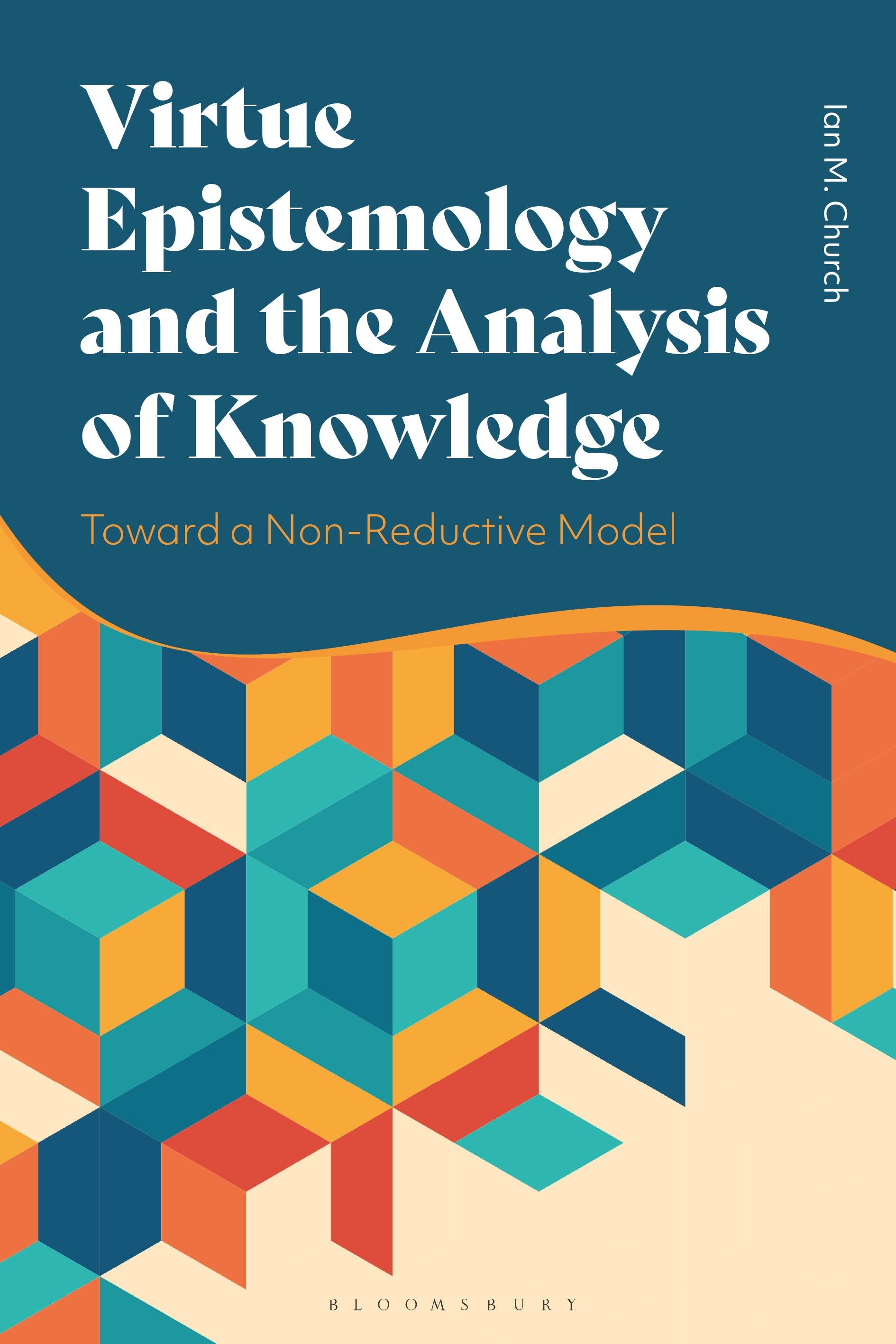
This book centers on two dominant trends within contemporary epistemology: first, the dissatisfaction with the project of analyzing knowledge in terms of necessary and jointly sufficient conditions and, second, the surging popularity of virtue-theoretic approaches to knowledge.
Church argues that the Gettier Problem, the primary reason for abandoning the reductive analysis project, cannot viably be solved, and that prominent approaches to virtue epistemology fail to solve the Gettier Problem precisely along the lines his diagnosis predicts.
Such an outcome motivates Church to explore a better way forward: non-reductive virtue epistemology. In so doing, he makes room for virtue epistemologies that are not only able to endure what he sees as inevitable developments in 21st-century epistemology, but also able to contribute positively to debates and discussions across the discipline and beyond.
Church argues that the Gettier Problem, the primary reason for abandoning the reductive analysis project, cannot viably be solved, and that prominent approaches to virtue epistemology fail to solve the Gettier Problem precisely along the lines his diagnosis predicts.
Such an outcome motivates Church to explore a better way forward: non-reductive virtue epistemology. In so doing, he makes room for virtue epistemologies that are not only able to endure what he sees as inevitable developments in 21st-century epistemology, but also able to contribute positively to debates and discussions across the discipline and beyond.
Płać wygodnie kartą, Klarną, Apple Pay lub Google Pay. Nie jesteś zadowolony? Zawsze masz 14-dniową gwarancję zwrotu pieniędzy. Więcej przeczytasz w naszych warunkach. Masz pytania? Napisz do nas na hello@memmo.org.
Memmo ułatwia naukę – gdziekolwiek jesteś na świecie. U nas znajdziesz podręczniki i sprytne narzędzia do nauki w jednym miejscu: streszczenia, quizy, podcasty i fiszki. A do tego Ted, Twój kumpel do nauki, który odpowie na wszystko, co Cię nurtuje. Ponad 50 000 studentów już tu się uczy – stworzone, byś uczył się szybciej i mniej stresował.