
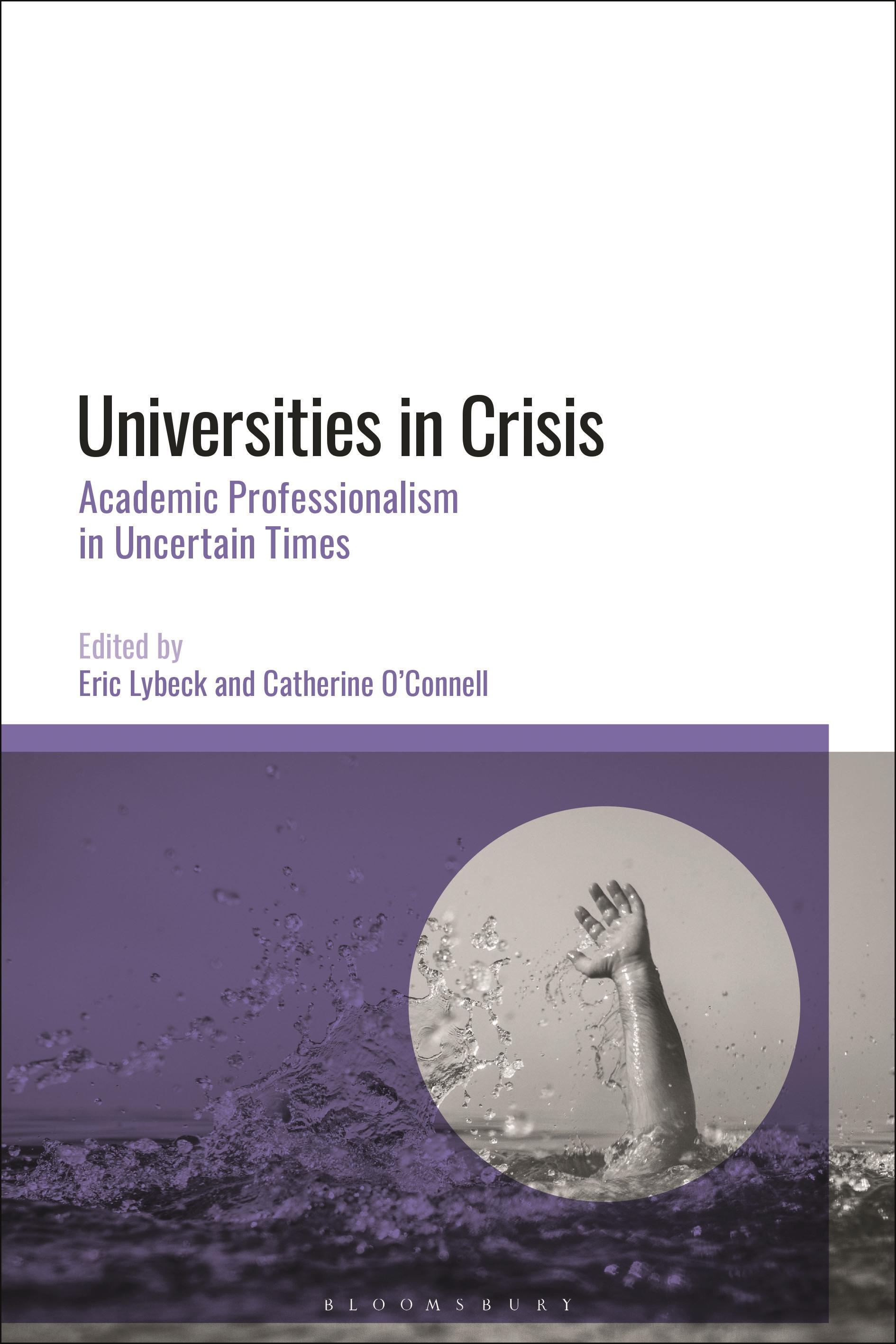
This book goes beyond now-familiar analyses of 'neoliberal governmentality' which tend to characterise academics as passive subjects or as 'strategic actors', drawing on and cynically exploiting metrics as a form of capital exchangeable across different fields. Instead, Universities in Crisis draws on newer paradigms by drawing on processual, post-critical and phenomenological approaches that leave room for new spaces of negotiation – discursive and practical – for understanding and advancing academic professionalism in this rapidly changing context.
Contributors reflect various manifestations of the changing political and public climate, as well as the unease that surrounds contemporary debates which position the academy in troubling ways. Unifying concepts such as academic work, jurisdiction and transdisciplinarity are deployed to transcend functional divisions within and between academics, administrators, managers and students. Drawing on these theoretical and conceptual resources, contributors engage in critical consideration of whether the potential for 'push back' lies both in re-emphasising the specialness of academic professionalism and in defining the commonalities with other professional groups of knowledge workers.
The book offers an unflinching analysis on the conditions which frame the darker side of professionalism and which are associated with increased precarity and reduced autonomy. The contributors explore the dilemmas, challenges and possibilities of professionalism for both early career academics and senior academic leaders.
Contributors reflect various manifestations of the changing political and public climate, as well as the unease that surrounds contemporary debates which position the academy in troubling ways. Unifying concepts such as academic work, jurisdiction and transdisciplinarity are deployed to transcend functional divisions within and between academics, administrators, managers and students. Drawing on these theoretical and conceptual resources, contributors engage in critical consideration of whether the potential for 'push back' lies both in re-emphasising the specialness of academic professionalism and in defining the commonalities with other professional groups of knowledge workers.
The book offers an unflinching analysis on the conditions which frame the darker side of professionalism and which are associated with increased precarity and reduced autonomy. The contributors explore the dilemmas, challenges and possibilities of professionalism for both early career academics and senior academic leaders.
Płać wygodnie kartą, Klarną, Apple Pay lub Google Pay. Nie jesteś zadowolony? Zawsze masz 14-dniową gwarancję zwrotu pieniędzy. Więcej przeczytasz w naszych warunkach. Masz pytania? Napisz do nas na hello@memmo.org.
Memmo ułatwia naukę – gdziekolwiek jesteś na świecie. U nas znajdziesz podręczniki i sprytne narzędzia do nauki w jednym miejscu: streszczenia, quizy, podcasty i fiszki. A do tego Ted, Twój kumpel do nauki, który odpowie na wszystko, co Cię nurtuje. Ponad 50 000 studentów już tu się uczy – stworzone, byś uczył się szybciej i mniej stresował.