
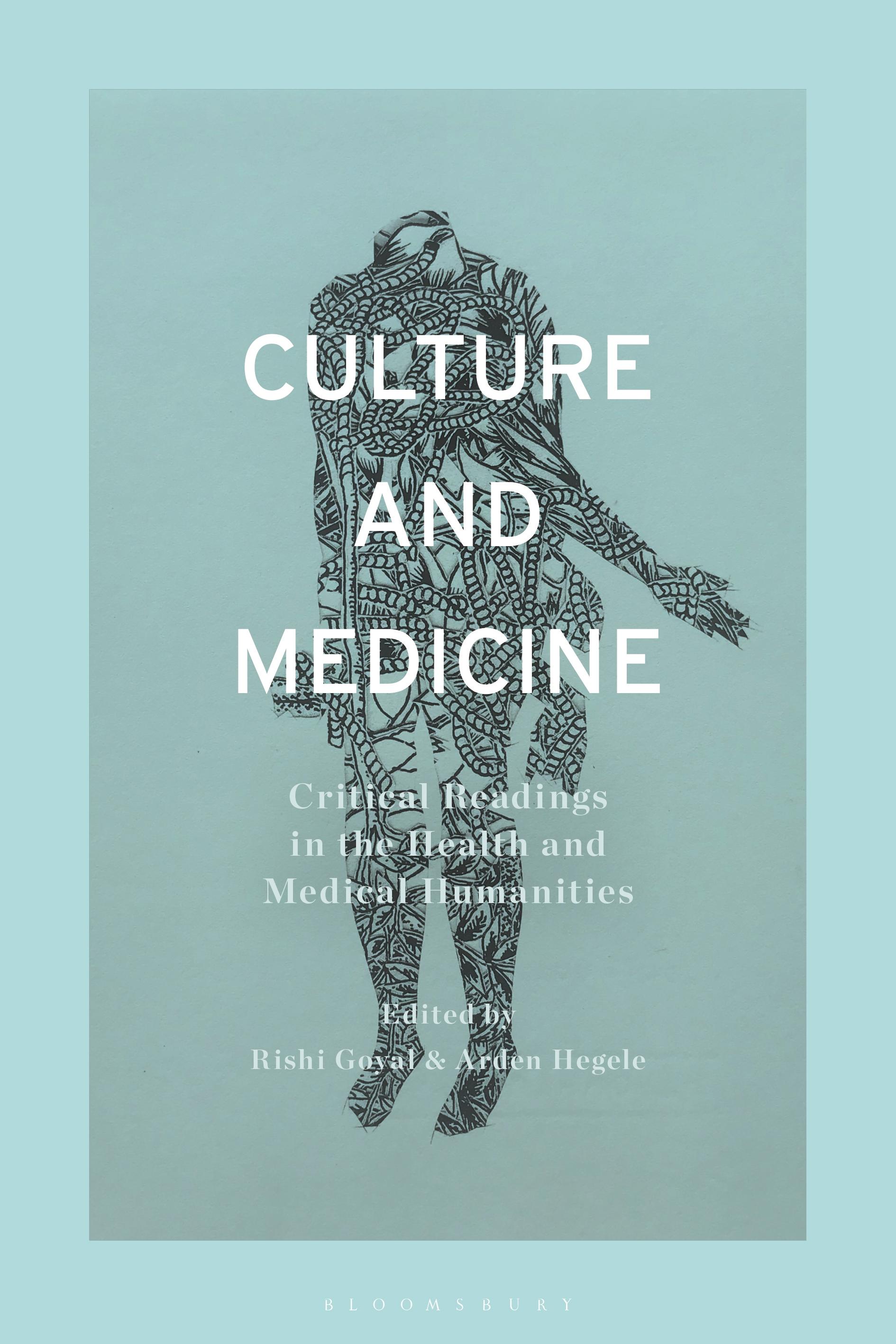
Charting shared advances across the emerging fields of medical humanities and health humanities, this book engages with the question of how biomedical knowledge is constructed, negotiated, and circulated as a cultural practice.
The volume is composed of a series of pathbreaking inter-disciplinary essays that bring sociocultural habits of mind and modes of thought to the study of medicine, health and patients. These juxtapositions create new forms of knowledge, while emphasizing the vulnerability of human bodies, anti-essentialist approaches to biology, a sensitivity to language and rhetoric, and an attention to social justice.
These essays dissect the ways that cultural practices define the limits of health and the body: from the body's place and trajectory in the world to how bodies relate to one another, from questions about ageing and sex to what counts as health and illness.
Considering how these and other concepts are shaped by a negotiation between medico-scientific knowledge and ways of knowing derived from other domains, this book provides important new insights into how biomedical frameworks become settled forms for broader cultural understanding.
The volume is composed of a series of pathbreaking inter-disciplinary essays that bring sociocultural habits of mind and modes of thought to the study of medicine, health and patients. These juxtapositions create new forms of knowledge, while emphasizing the vulnerability of human bodies, anti-essentialist approaches to biology, a sensitivity to language and rhetoric, and an attention to social justice.
These essays dissect the ways that cultural practices define the limits of health and the body: from the body's place and trajectory in the world to how bodies relate to one another, from questions about ageing and sex to what counts as health and illness.
Considering how these and other concepts are shaped by a negotiation between medico-scientific knowledge and ways of knowing derived from other domains, this book provides important new insights into how biomedical frameworks become settled forms for broader cultural understanding.
Płać wygodnie kartą, Klarną, Apple Pay lub Google Pay. Nie jesteś zadowolony? Zawsze masz 14-dniową gwarancję zwrotu pieniędzy. Więcej przeczytasz w naszych warunkach. Masz pytania? Napisz do nas na hello@memmo.org.
Memmo ułatwia naukę – gdziekolwiek jesteś na świecie. U nas znajdziesz podręczniki i sprytne narzędzia do nauki w jednym miejscu: streszczenia, quizy, podcasty i fiszki. A do tego Ted, Twój kumpel do nauki, który odpowie na wszystko, co Cię nurtuje. Ponad 50 000 studentów już tu się uczy – stworzone, byś uczył się szybciej i mniej stresował.