
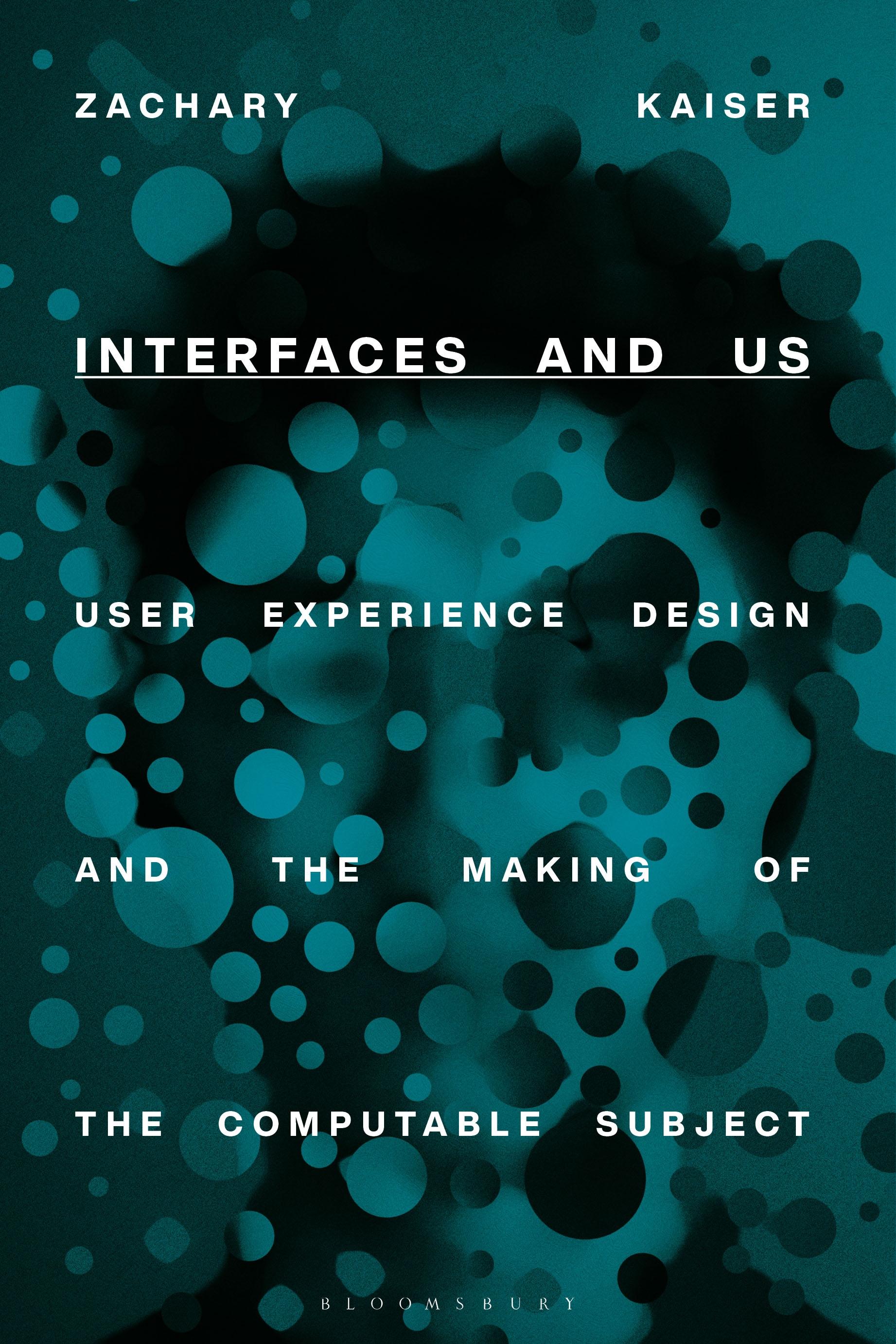
We're all familiar with smart TVs making suggestions on our future watching, real-world exercise data being transferred into stats and infographics on our workout apps and turning up our home heating before we start our commute – but how does this world of technological interfaces affect our actions and perceptions of self?When society relies on computer models and their interfaces to explain and predict everything from love to geopolitical conflicts, our own behaviour and choices are artificially changed. Zachary Kaiser explores the harmful social consequences of this idea - balanced against speed and ease for the user - and how design practice and education can respond positively.
- Concepts of freedom vs convenience
- Smart objects and manipulation
- Real world information transformed into data
- Technology's decisions made on our behalf
- Concepts of freedom vs convenience
- Smart objects and manipulation
- Real world information transformed into data
- Technology's decisions made on our behalf
Płać wygodnie kartą, Klarną, Apple Pay lub Google Pay. Nie jesteś zadowolony? Zawsze masz 14-dniową gwarancję zwrotu pieniędzy. Więcej przeczytasz w naszych warunkach. Masz pytania? Napisz do nas na hello@memmo.org.
Memmo ułatwia naukę – gdziekolwiek jesteś na świecie. U nas znajdziesz podręczniki i sprytne narzędzia do nauki w jednym miejscu: streszczenia, quizy, podcasty i fiszki. A do tego Ted, Twój kumpel do nauki, który odpowie na wszystko, co Cię nurtuje. Ponad 50 000 studentów już tu się uczy – stworzone, byś uczył się szybciej i mniej stresował.