
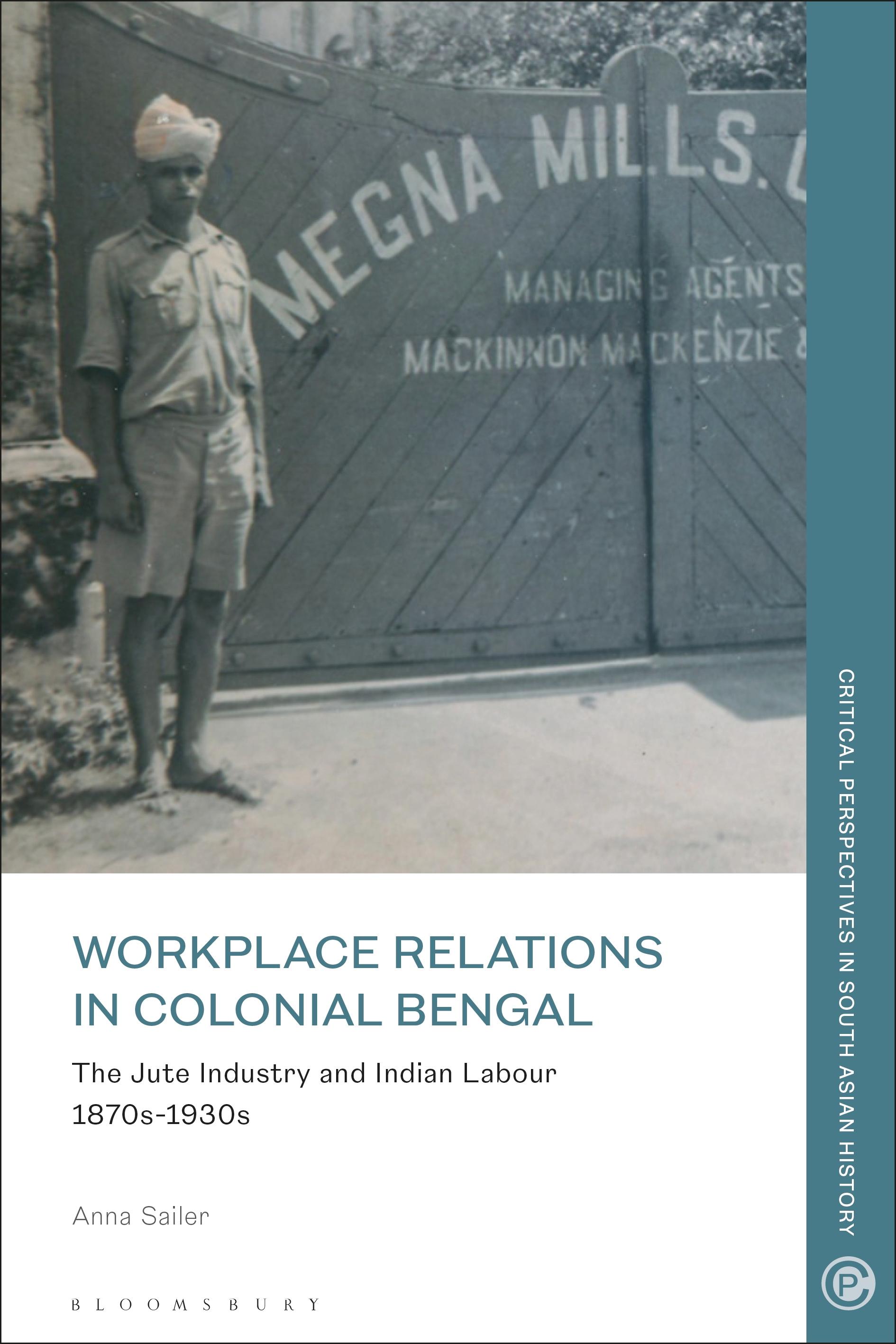
This book connects the history of labour movements with the transformation of workplace relations in South Asia from the late 19th century to the 1930s. Contending that labour conflicts in the Bengal jute industry must be understood against the backdrop of a radical change in the organisation of work in this period, Sailer shows how this led to a rupture in worker's relations in the workplace and beyond.
Moving away from polarities such as class/culture or modernity/tradition and reconsidering the context around industrial conflicts in this period, Workplace relations in Colonial Bengal offers a new framework to analyse the changing organisation of work in colonial India, and identifies the implications for worker relations both inside and outside the factory. Focusing on a major colonial era industry, this book opens up new perspectives n the history of workers and colonial capitalism in modern India.
Moving away from polarities such as class/culture or modernity/tradition and reconsidering the context around industrial conflicts in this period, Workplace relations in Colonial Bengal offers a new framework to analyse the changing organisation of work in colonial India, and identifies the implications for worker relations both inside and outside the factory. Focusing on a major colonial era industry, this book opens up new perspectives n the history of workers and colonial capitalism in modern India.
Płać wygodnie kartą, Klarną, Apple Pay lub Google Pay. Nie jesteś zadowolony? Zawsze masz 14-dniową gwarancję zwrotu pieniędzy. Więcej przeczytasz w naszych warunkach. Masz pytania? Napisz do nas na hello@memmo.org.
Memmo ułatwia naukę – gdziekolwiek jesteś na świecie. U nas znajdziesz podręczniki i sprytne narzędzia do nauki w jednym miejscu: streszczenia, quizy, podcasty i fiszki. A do tego Ted, Twój kumpel do nauki, który odpowie na wszystko, co Cię nurtuje. Ponad 50 000 studentów już tu się uczy – stworzone, byś uczył się szybciej i mniej stresował.